
Bellecelle Abbey
Castres Cathedral, originally the church of Bellecelle Abbey, served as the episcopal seat for the Diocese of Castres from its creation in 1317 until its suppression after the French Revolution. The original Benedictine abbey church was destroyed by Huguenots in the 1570s, with only the bell tower surviving. Following incomplete reconstructions, the present building was begun in 1678 and consecrated in the early 18th century, though it remains unfinished.
Key Facts
- ›Originally the church of Bellecelle Abbey.
- ›Became the cathedral for the Diocese of Castres in 1317.
- ›Destroyed by Huguenots in the 1570s, except for the bell tower.
- ›Present building construction began in 1678.
- ›Consecrated in the early 18th century but never fully completed.

- Surviving Bell Tower From the Original Abbey Church
Church of Saint BenoîT De Castres
- Creation of the Diocese of Castres
- Destruction By Huguenots
- Reconstruction and Consecration
- Suppression of the Diocese of Castres After the French Revolution
About Bellecelle Abbey
Castres Cathedral
Castres Cathedral, officially the Roman Catholic church of Saint Benoît (Saint Benedict), is a significant historical religious building located in Castres, Languedoc, France. Its origins trace back to the Benedictine Bellecelle Abbey, whose original church formed the foundation of what would become the cathedral. The elevation of the church to the status of episcopal seat for the newly created Diocese of Castres in 1317 marked a pivotal moment in its history.
History and Destruction
The original abbey church suffered a significant blow in the 1570s when it was destroyed by the Huguenots. Miraculously, the bell tower of the original structure survived this period of religious conflict. The subsequent centuries saw attempts at reconstruction, with two such efforts in the 17th century being started and subsequently demolished before completion.
Reconstruction and Current Status
The present-day building of Castres Cathedral commenced in 1678. While construction reached a point in the early 18th century allowing for its consecration and use, the cathedral has never been fully completed. Following the French Revolution, the Diocese of Castres was not restored; instead, it was integrated into the Archdiocese of Albi under the Concordat of 1801. Today, the former cathedral serves as a parish church for the community of Castres.
Source: Wikipedia ↗
Frequently Asked Questions
What was the original purpose of the building that is now Castres Cathedral?
The building was originally the church of the Benedictine Bellecelle Abbey. It later became the seat of the bishop of Castres when the diocese was established.
When was the Diocese of Castres created?
The Diocese of Castres was newly created in 1317. This was part of a regional reorganization following the suppression of the Albigensians.
What happened to the original abbey church?
The original church of Bellecelle Abbey was destroyed by the Huguenots in the 1570s. Only the bell tower survived this destruction.
When was the current cathedral structure built?
Construction on the present building began in 1678. It was consecrated and put to use in the early 18th century, although it was never fully completed.
Is Castres Cathedral still the seat of a bishop?
No, the diocese was not restored after the French Revolution. It was added to the Archdiocese of Albi by the Concordat of 1801. Today, it functions as a parish church.
Related Monasteries

Mozac Abbey
Mozac Abbey, located in Auvergne, France, was founded in the 6th or 7th century and later became affiliated with the Cluniac Order in 1095. Despite significant damage from earthquakes in the late 15th century, the abbey church, which now serves as the local parish church, retains notable Romanesque architectural elements, particularly its sculpted capitals. The abbey was dissolved during the French Revolution in 1790, and its collection of relics, including those of Saint Austremonius, are still preserved.
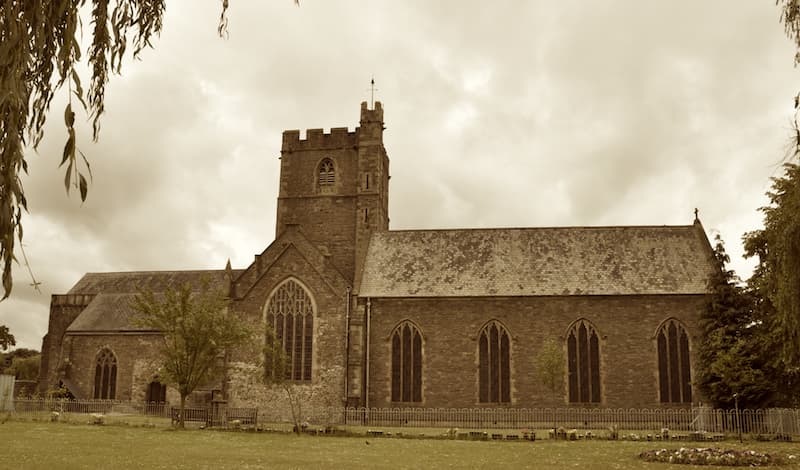
Abergavenny Priory
The Priory Church of St Mary, Abergavenny, is a significant parish church in Monmouthshire, Wales, often referred to as "the Westminster Abbey of Wales" due to its size and collection of high-status tombs. Originally established as a Benedictine priory in the late 11th century, it became a parish church after the Dissolution of the Monasteries. The church is renowned for its numerous medieval effigies and notable architectural features, including 15th-century choir stalls and a unique 15th-century wooden carving known as "The Jesse."

Gottstatt Abbey
Gottstatt Abbey was a Premonstratensian monastery established in 1255 by Count Rudolf I von Neuchâtel-Nidau in what is now Switzerland. It served as a local pilgrimage site and the burial church for the Counts of Neuchâtel-Nidau before being acquired by Bern. The monastery was closed during the Reformation in 1528 and its buildings were later used as a secular administrative seat before being returned to the Reformed Church and now functions as a parish church.