
Castres Cathedral
Castres (formerly)·Roman Catholic·France
Castres Cathedral, officially the church of Saint Benoît, is a historic Roman Catholic religious building in Castres, France. Formerly the seat of the bishop of Castres, the diocese was suppressed after the French Revolution and its territory added to the Archdiocese of Albi. The current building dates from the late 17th and early 18th centuries, replacing an earlier structure destroyed by Huguenots.
Key Facts
- ›The first cathedral was established as the episcopal seat of the newly created Diocese of Castres in 1317.
- ›The original cathedral was destroyed by Huguenots in the 1570s, with only the bell tower surviving.
- ›The present building's construction commenced in 1678 and was largely completed by the early 18th century.
- ›The cathedral was consecrated and put into use in the early 18th century, though it was never fully completed.
- ›Following the French Revolution, the Diocese of Castres was not restored and was incorporated into the Archdiocese of Albi.

- Surviving Bell Tower From the Original 14th-Century Cathedral
About Castres Cathedral
Castres Cathedral, officially known as the church of Saint Benoît (Saint Benedict), is a significant historical religious edifice located in Castres, in the historic region of Languedoc, France. It currently serves as a parish church but was formerly the episcopal seat of the Bishop of Castres.
History and Context
The origins of Castres Cathedral trace back to 1317 when the Diocese of Castres was newly established. The first cathedral was built upon the foundation of the Benedictine Bellecelle Abbey. This early structure met a violent end in the 1570s when it was destroyed by the Huguenots, with only its bell tower surviving the devastation. Following this destruction, the 17th century saw attempts at reconstruction, with two separate projects initiated and subsequently demolished before completion. The present building's construction commenced in 1678 and progressed to a stage where it could be consecrated and utilized in the early 18th century, although the building's construction was never fully finalized.
Post-Revolutionary Era
The Diocese of Castres was not re-established after the French Revolution. By the Concordat of 1801, its former territory was added to the Archdiocese of Albi, marking a significant administrative shift for the religious landscape of the region. Despite no longer being a diocesan seat, the church of Saint Benoît continues its role as an active place of worship.
Source: Wikipedia ↗
Frequently Asked Questions
What is the history of Castres Cathedral?
The first cathedral was established in 1317 when the Diocese of Castres was created. It was destroyed by Huguenots in the 1570s, with only the bell tower remaining. The current building was begun in 1678 and consecrated in the early 18th century.
Was Castres Cathedral always a parish church?
No, Castres Cathedral was formerly the seat of the bishop of Castres. After the French Revolution, the diocese was not restored and it became a parish church under the Archdiocese of Albi.
What happened to the original cathedral?
The original cathedral, which was the church of the Benedictine Bellecelle Abbey, was destroyed by the Huguenots in the 1570s. The bell tower is the only surviving part of this earlier structure.
When was the current Castres Cathedral built?
The construction of the present building began in 1678 and was brought to a point where it could be consecrated and used in the early 18th century. However, the building has never been fully completed.
Related Cathedrals

Bastia Cathedral
The Cathédrale Sainte-Marie de Bastia, also known as St Marie Cathedral, is a Roman Catholic cathedral located in Bastia, Corsica. It has been a listed monument historique since 2000 and is dedicated to Saint Mary. The cathedral's construction began in 1495, with significant rebuilding occurring in the early 17th century, making it a historical and architectural landmark on the island.

Avignon Cathedral
Avignon Cathedral, officially Cathédrale Notre-Dame des Doms d'Avignon, is a Romanesque Roman Catholic cathedral located in Avignon, France, adjacent to the Palais des Papes. It serves as the seat of the Archbishop of Avignon and is recognized for its significant architectural history and its inclusion as part of the UNESCO World Heritage site of Avignon.
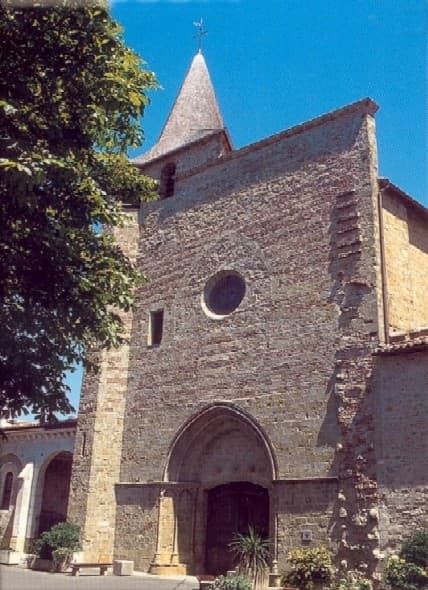
Aire Cathedral
Aire Cathedral, officially known as the Cathédrale Saint-Jean-Baptiste d'Aire, is a Roman Catholic church located in Aire-sur-l'Adour, France. It served as the episcopal seat for the Bishops of Aire for centuries, and although its status has shifted, it remains a significant historical and religious site on a major pilgrimage route.