
Beeleigh Abbey
Beeleigh Abbey, established in 1180 near Maldon, Essex, was a Premonstratensian (White Canons) monastery. It gained significance as a pilgrimage site due to the burial of the heart of Roger Niger, Bishop of London, and was later granted to Sir John Gate after the Dissolution of the Monasteries. Following periods as a public house and falling into ruin, it underwent significant restoration in the 20th century and is now a private residence with accessible gardens.
Key Facts
- ›Founded in 1180 for the Premonstratensian order.
- ›Became a pilgrimage site after the heart of Bishop Roger Niger was buried there.
- ›Received a royal charter from Richard I in 1189.
- ›Suffered damage and demolition after the Dissolution of the Monasteries.
- ›Underwent extensive restoration in the 20th century.
- ›Now operates as a private residence with public access to its gardens on select days.
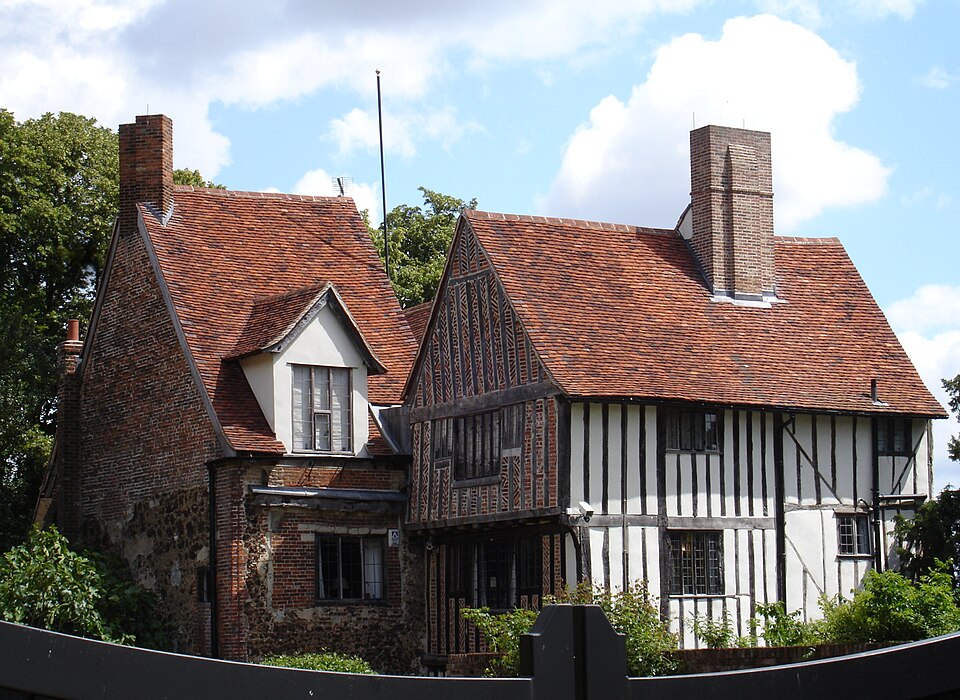
Gardens, Medieval Buildings
Norbertines, White Canons
Robert De Mantell, Roger Niger, Edward I, Eleanor of Castile, John Ammory, John De Grey, Thomas Filliol, Sir John Gate, Captain F. W. Grantham, William Foyle, Gilbert Foyle, Christina Foyle, Christopher Foyle, Catherine Foyle, Father Norbert Backmund, Father Thomas Handgraetinger, Father Hugh Allan
Dissolution of the Monasteries, Restoration Efforts In the 20th Century
About Beeleigh Abbey
Beeleigh Abbey, situated near Maldon in Essex, England, was founded in 1180 as a monastery for the Premonstratensian order, also known as the Norbertines or White Canons. This order was characterized by its integration of monastic life with a more active, friar-like existence. The abbey initially functioned as a daughter house of Newsham Abbey in Lincolnshire and received a royal charter from Richard I in 1189.
History and Significance
A significant period in Beeleigh Abbey's history began in the 13th century when the heart of Roger Niger, the Bishop of London, was interred there, transforming the site into a pilgrimage destination. This religious importance drew figures such as King Edward I and Queen Eleanor of Castile, who visited in 1289. The abbey's temporal affairs were also documented, with records from the 14th century detailing land and advowson exchanges involving individuals like John Ammory and John de Grey.
Following the Dissolution of the Monasteries, the abbey's structures were largely demolished, and its lands were granted to Sir John Gate in 1540. Over subsequent centuries, the remaining buildings served various purposes, including use as a public house in the 18th century, and by the late 19th century, they had fallen into disrepair.
Restoration and Modern Status
In 1912, restoration work commenced under Captain F. W. Grantham. A significant turning point occurred in 1943 when William Foyle, co-owner of Foyles bookshop, purchased the abbey. In 2000, William Foyle's son, Christopher Foyle, and his wife Catherine acquired the estate and undertook a comprehensive four-year restoration of the abbey and its gardens. These efforts were recognized with conservation awards for their exemplary historical building restoration.
Today, Beeleigh Abbey remains a private residence. While the abbey itself is not typically open to the public, its gardens are accessible on specific summer days. Small private groups may also arrange visits by prior appointment. The Premonstratensian order has re-established a presence in Essex, with a house in Chelmsford, and in 2011, Father Hugh Allan was enthroned as the Titular Abbot of Beeleigh, marking the first such title since 1536, in a ceremony attended by various dignitaries.
Source: Wikipedia ↗
Frequently Asked Questions
When was Beeleigh Abbey founded?
Beeleigh Abbey was constructed in 1180. It was established for the Premonstratensian order, also known as the White Canons.
What is the religious order associated with Beeleigh Abbey?
Beeleigh Abbey was founded for the Premonstratensians, also referred to as the Norbertines or White Canons. This order was active in linking monastic life with a more engaged, friar-like existence in the 12th century.
What made Beeleigh Abbey a pilgrimage site?
The abbey became a pilgrimage destination because the heart of Roger Niger, a 13th-century Bishop of London, was buried there. This attracted notable visitors, including King Edward I and Queen Eleanor of Castile in 1289.
What happened to Beeleigh Abbey after the Dissolution of the Monasteries?
Following the Dissolution, many of the abbey's buildings were dismantled, and the property was granted to Sir John Gate in 1540. Later, parts of the structure were repurposed, including being used as a public house during the 18th century.
Is Beeleigh Abbey open to the public?
Beeleigh Abbey is primarily a private residence and is not generally open to the public. However, its gardens are accessible on specific days during the summer months, and small private groups can arrange tours by prior appointment.
What recent developments have occurred at Beeleigh Abbey?
In recent years, the abbey has undergone significant restoration by its owners, Christopher and Catherine Foyle, who purchased the estate in 2000. Their conservation efforts were recognized with awards from the Royal Institution of Chartered Surveyors.
Related Monasteries
Carrow Priory
Carrow Abbey was a Benedictine priory in Norwich, England, founded around 1146 by King Stephen. It housed a prioress and nuns, playing a significant role in local ecclesiastical and legal matters. After the dissolution of the monasteries, the priory's structures were integrated into a private estate, undergoing significant renovations and additions, notably by the Martineau and Colman families. Today, it is known as a Grade I listed building, with parts reflecting its 16th-century origins and later 19th-century modifications.

Flaxley Abbey
Flaxley Abbey, a former Cistercian monastery founded in 1151, is now a Grade I listed English country house and private residence located in the Forest of Dean, Gloucestershire. Originally established by Roger Fitzmiles, 2nd Earl of Hereford, it served as a royal hunting lodge and received notable grants from several monarchs before its dissolution in 1536. The site was later acquired by the Boevey family and substantially rebuilt, remaining their family home until 1960.

Medmenham Abbey
Medmenham Abbey was a Cistercian monastery founded in the 12th century, originally dedicated to St. Mary. Although it was closed in 1536 during the Dissolution of the Monasteries, its ruins later became infamous in the mid-18th century as the meeting place for the Hellfire Club, led by Sir Francis Dashwood, who used the site for "obscene parodies of religious rites." The abbey has since undergone significant renovations and modifications, no longer resembling its original monastic form, and is now a private residence.