
Bective Abbey
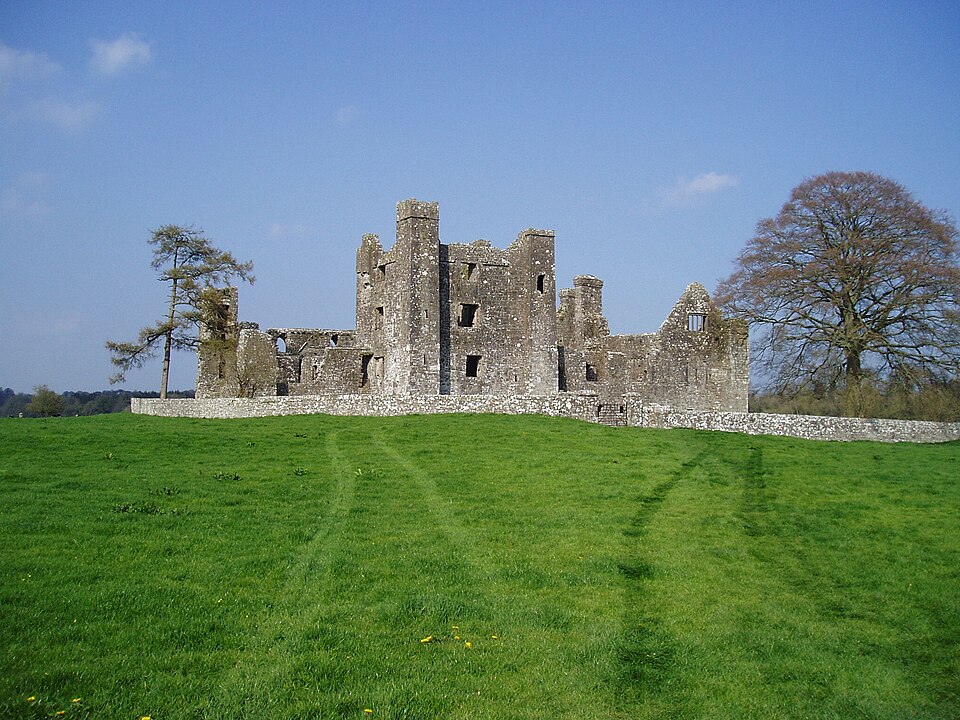
Bective Abbey is a well-preserved Cistercian abbey located on the River Boyne in County Meath, Ireland. Founded in 1147 as a daughter house of Mellifont Abbey, its remaining structures and ruins primarily date from the 15th century, though it also features an early 13th-century church and a 16th-century tower. The abbey's lands were confiscated during the Dissolution of the Monasteries and its buildings were later partially converted into a manor house.
Key Facts
- ›Founded in 1147 by Murchad O'Maeil-Sheachlainn.
- ›A daughter house of Mellifont Abbey.
- ›Remaining structures primarily date to the 15th century.
- ›Features an early 13th-century church and a 16th-century tower.
- ›Confiscated during the Dissolution of the Monasteries in the 1530s.
- ›Used as a filming location for the movie Braveheart.
Gothic, Medieval
Early 13th-Century Church, 15th-Century Cloister, 16th-Century Tower, River Boyne Location
Mainistir Bheigthí
Murchad O'Maeil-Sheachlainn
Founding In 1147, Dissolution of the Monasteries, Confiscation of Lands, Conversion To Manor House, Site Taken Into State Care, Excavations In the Early 21st Century
About Bective Abbey
Bective Abbey, known in Irish as Mainistir Bheigthí, is a historically significant Cistercian monastic site situated on the banks of the River Boyne in Bective, County Meath, Ireland. The abbey was established in 1147, making it one of Ireland's older monastic foundations.
History and Architecture
The abbey's origins trace back to its founding by Murchad O'Maeil-Sheachlainn as a daughter house of Mellifont Abbey. While the abbey was founded in the 12th century, the majority of the surviving structures and ruins visible today primarily date from the 15th century. These include an early 13th-century church, a 15th-century cloister, and a 16th-century tower, showcasing the evolution of the site over several centuries.
During the Dissolution of the Monasteries in the 1530s, Bective Abbey and its extensive estate lands, which were recorded at 1580 acres, were confiscated. The property subsequently changed hands, being rented to Thomas Asgarde and later purchased by Andrew Wyse in 1552. In the 17th century, the monastic buildings underwent partial conversion for use as a manor house, reflecting its transition from religious to secular occupation.
Modern Status and Accessibility
In the 21st century, Bective Abbey has been taken into state care. It is recognized as a protected structure and is listed on the register of National Monuments of Ireland. The site underwent excavations in the early 2000s, which contributed to making it more accessible to the public. The state purchased the site, including a nearby car park, in 2012, and it is now managed by the Office of Public Works.
Cultural Significance
Beyond its historical and architectural merits, Bective Abbey gained a prominent place in popular culture when it was used as a filming location for the 1995 historical action-drama movie Braveheart. This cinematic appearance has brought the abbey's evocative ruins to a wider international audience.
Source: Wikipedia ↗
Frequently Asked Questions
When was Bective Abbey founded?
Bective Abbey was founded in the year 1147. It was established as a daughter house of Mellifont Abbey.
What is the architectural style of Bective Abbey?
The remaining structures and ruins of Bective Abbey primarily date to the 15th century. It includes an early 13th-century church and a 16th-century tower, reflecting various periods of construction and adaptation.
Is Bective Abbey still operational?
The abbey itself is no longer an active monastic community. The site, including its well-preserved structures and ruins, is managed by the Office of Public Works and is a protected structure and National Monument.
Can visitors go to Bective Abbey?
Yes, Bective Abbey has been made more accessible to visitors. The site is managed by the Office of Public Works, and excavations in the early 21st century aimed to improve visitor access.
What is the historical significance of Bective Abbey?
Bective Abbey is significant as a 12th-century Cistercian foundation. Its lands were confiscated during the Dissolution of the Monasteries, and its buildings were later adapted for secular use, offering a glimpse into centuries of Irish history.
Related Monasteries

Baltinglass Abbey
Baltinglass Abbey, a ruined medieval Cistercian monastery in County Wicklow, Ireland, was founded in 1148 by Diarmait Mac Murchada. It served as a daughter house of Mellifont Abbey and later became the mother house of Jerpoint Abbey. The abbey was suppressed in 1536 during the Dissolution of the Monasteries and is now a National Monument.

Boyle Abbey
Boyle Abbey is a ruined Cistercian friary in County Roscommon, Ireland, founded by Saint Malachy in 1161. Despite interruptions from invasions and fires, its construction was completed and consecrated in 1218. The abbey became a significant Cistercian foundation in Ireland, known for its impressive architecture featuring influences from Burgundy and the West of England, and its squat square tower added in the thirteenth century.

Corcomroe Abbey
Corcomroe Abbey is an early 13th-century Cistercian monastery situated in the Burren region of County Clare, Ireland. Renowned for its exceptionally fine Gothic stone carvings, it was once known as "St. Mary of the Fertile Rock." Despite its historical significance and architectural merit, documentary evidence regarding its founding and early history is scarce, with its operational decline attributed to factors such as monastic reforms, family control of lands, and the English Reformation.