
Abhayagiri Buddhist Monastery
Abhayagiri Buddhist Monastery is a Theravada Buddhist monastery located in Redwood Valley, California, belonging to the Thai Forest Tradition. Founded in the 1980s, its primary focus is teaching Buddhist ethics and meditation as a path to ending suffering. The monastery, meaning 'fearless mountain,' has grown to encompass 280 acres of mountainous forest land and has developed significant infrastructure, including monastic huts, a Dhamma Hall, and a reception hall.
Key Facts
- ›Located in Redwood Valley, California, on 280 acres of mountainous forest land.
- ›Belongs to the Theravada Buddhist tradition of the Thai Forest Tradition.
- ›Origins trace back to the 1980s with visits by Ajahn Sumedho.
- ›Has developed extensive infrastructure, including over 25 monastic huts and a large reception hall.
- ›Established a branch monastery, Pacific Hermitage, in White Salmon, Washington.
- ›Survived the Northern California wildfires in October 2017 without damage.
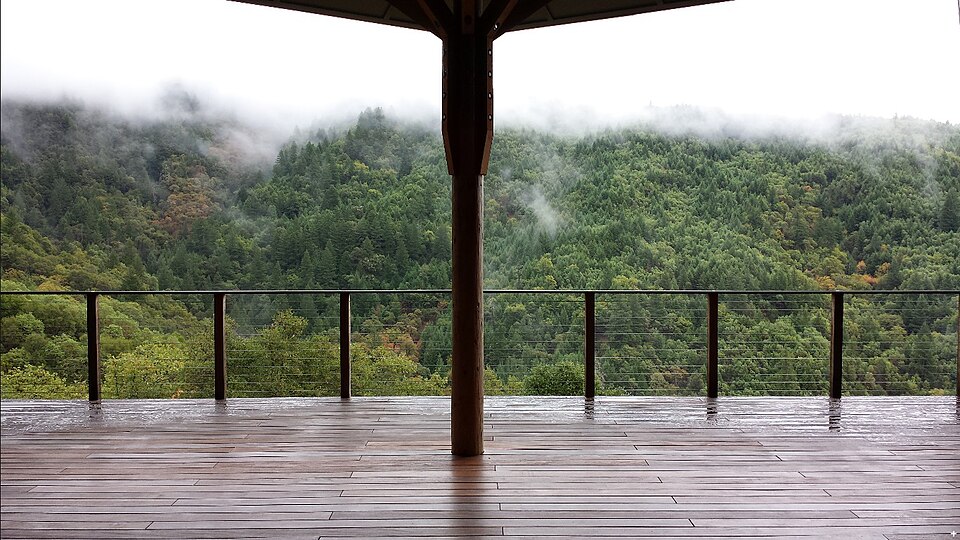
Mountainous Forest Land, Over 25 Monastic Huts, Dhamma Hall, Reception Hall, Pacific Hermitage
Ajahn Sumedho, Ajahn Chah, Ajahn Amaro, Ajahn Pasanno, Ajahn Sudanto, Ajahn Karunadhammo, Ajahn Nyaniko, Chan Master Hsuan Hua
- Sanghapala Foundation Established In 1988.
- Donation of First 120 Acres By Devotees of Chan Master Hsuan Hua.
- Northern California Wildfires In October 2017 Threatened the Monastery.
- Establishment of Pacific Hermitage In 2010.
About Abhayagiri Buddhist Monastery
Abhayagiri is a prominent Theravada Buddhist monastery situated in the mountainous forest landscape of Redwood Valley, California. It is a part of the esteemed Thai Forest Tradition, known for its emphasis on traditional monastic discipline and intensive meditation practices. The name 'Abhayagiri' itself translates to 'fearless mountain' in the Pali language, evoking a sense of spiritual fortitude and tranquility.
Origins and Development
The monastery's origins trace back to the 1980s, spurred by the increasing interest in Buddhist teachings in California, particularly following visits from Ajahn Sumedho, a leading Western disciple of the renowned Thai meditation master Ajahn Chah. The Sanghapala Foundation was formally established in 1988, laying the groundwork for the monastery's development. A significant early contribution came with the donation of the monastery's initial 120 acres by followers of Chan Master Hsuan Hua. Today, Abhayagiri spans 280 acres of rugged, forested terrain.
Under the leadership of co-abbots Ajahn Amaro and Ajahn Pasanno, the monastery underwent substantial development. This period saw the construction of over 25 monastic huts (kutis) nestled within the forest, alongside the creation of essential facilities such as a Dhamma Hall, kitchen, and administrative spaces. Following Ajahn Amaro's departure in 2010, Ajahn Pasanno continued as sole abbot, overseeing further major projects, including the construction of a substantial Reception Hall completed in 2018. In 2010, Abhayagiri also supported the establishment of the Pacific Hermitage, a branch monastery located in White Salmon, Washington.
Monastic Life and Teachings
Abhayagiri adheres to a rigorous daily schedule that begins before dawn with chanting and meditation, followed by periods of work, study, and individual practice. Meals are taken before noon, in accordance with monastic precepts. The monastery provides separate living quarters for male and female monastics, with men residing in forest huts and women in a dedicated house and huts on an adjacent property. The community also hosts visiting teachers from various international forest monasteries.
Programs and Community Engagement
Beyond its monastic community, Abhayagiri offers programs designed to support lay practitioners. The Upāsikā Program aims to deepen the intellectual and experiential understanding of Dhamma for laypeople. Throughout the year, members of the Abhayagiri Sangha also travel to offer teachings at various meditation centers and Buddhist communities across California and in other states, extending its outreach and educational mission.
Source: Wikipedia ↗
Frequently Asked Questions
What is the meaning of 'Abhayagiri'?
Abhayagiri means 'fearless mountain' in the Pali language. This name reflects the contemplative and serene environment of the monastery.
When was Abhayagiri Buddhist Monastery founded?
The monastery has its origins in the 1980s when Ajahn Sumedho began receiving requests to teach in California. The Sanghapala Foundation was set up in 1988, marking a formal beginning for the monastery's development.
What is the daily life like for monastics at Abhayagiri?
Daily life is rigorous, beginning before sunrise with chanting and meditation. It includes periods for work, study, and individual practice, with meals taken before midday. The schedule adheres to traditional monastic guidelines.
Does Abhayagiri offer programs for laypeople?
Yes, Abhayagiri offers the Upāsikā Program for laypeople to support their individual practice and spiritual training. Upāsikā Days are held throughout the year, open to both program participants and interested visitors.
What is the Thai Forest Tradition?
The Thai Forest Tradition is a conservative lineage of Buddhist monasticism originating in Thailand. It emphasizes adherence to the Vinaya (monastic discipline) and the practice of meditation, particularly insight (vipassanā) and concentration (samatha).
What are some special observances at Abhayagiri?
Special observances include Asalha Puja, marking the Buddha's first teaching, and the beginning of vassa, the three-month Rains Retreat. Kathina, a festival of gratitude to monks, is also celebrated, along with commemorations of Ajahn Chah's birthday and other significant Buddhist holidays.
Related Monasteries

Wat Florida Dhammaram
Wat Florida Dhammaram is a Buddhist monastery located in Kissimmee, Florida, founded in the mid-1990s by Lung-po Chaokhun Phra Tepvaraporn (Im Arindhamo). Its establishment was driven by the perceived need for a Buddhist monastic presence in Central Florida. The monastery was officially initiated in 1993 with the arrival of three monks tasked with its development.

Minnesota Buddhist Vihara
Minnesota Buddhist Vihara is a Theravada Buddhist temple established in 2004 by Venerable Witiyala Seewalie Maha Thera, serving as a spiritual center for the Buddhist community in Minnesota and surrounding states. It offers weekly meditation sessions, retreats, and annual ceremonies, and actively engages with the wider community through outreach to correctional facilities, universities, churches, and schools. The Vihara also features a sacred stupa, completed in 2023, further enhancing its role as a place of Buddhist practice and learning.
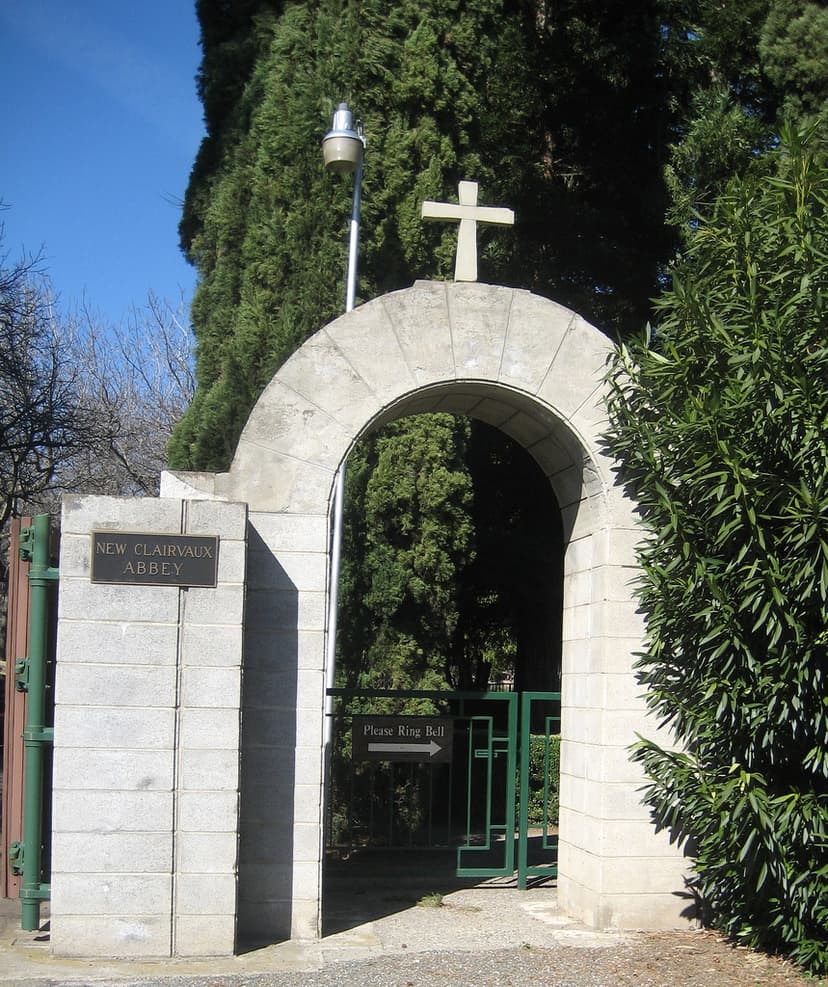
Abbey of New Clairvaux
The Abbey of New Clairvaux is a rural Trappist monastery established in 1955 by monks seeking a California foundation. Known for its austere contemplative life and the reconstruction of an 800-year-old Spanish chapter house, the abbey also cultivates prunes, walnuts, and grapes, and produces wine and Trappist-style beers. The community is part of the Cistercians of the Strict Observance.