
Abbey of New Clairvaux
The Abbey of New Clairvaux is a rural Trappist monastery established in 1955 by monks seeking a California foundation. Known for its austere contemplative life and the reconstruction of an 800-year-old Spanish chapter house, the abbey also cultivates prunes, walnuts, and grapes, and produces wine and Trappist-style beers. The community is part of the Cistercians of the Strict Observance.
Key Facts
- ›Established in 1955 by monks from the Abbey of Gethsemani.
- ›Reassembled an 800-year-old chapter house from a Spanish monastery, Santa Maria de Ovila.
- ›Grows prunes, walnuts, and grapes on former Leland Stanford farmland.
- ›Began producing wine in 2005 and Trappist-style beers in 2011.
- ›The number of community members decreased from 35 in 1980 to 22 in 2013.
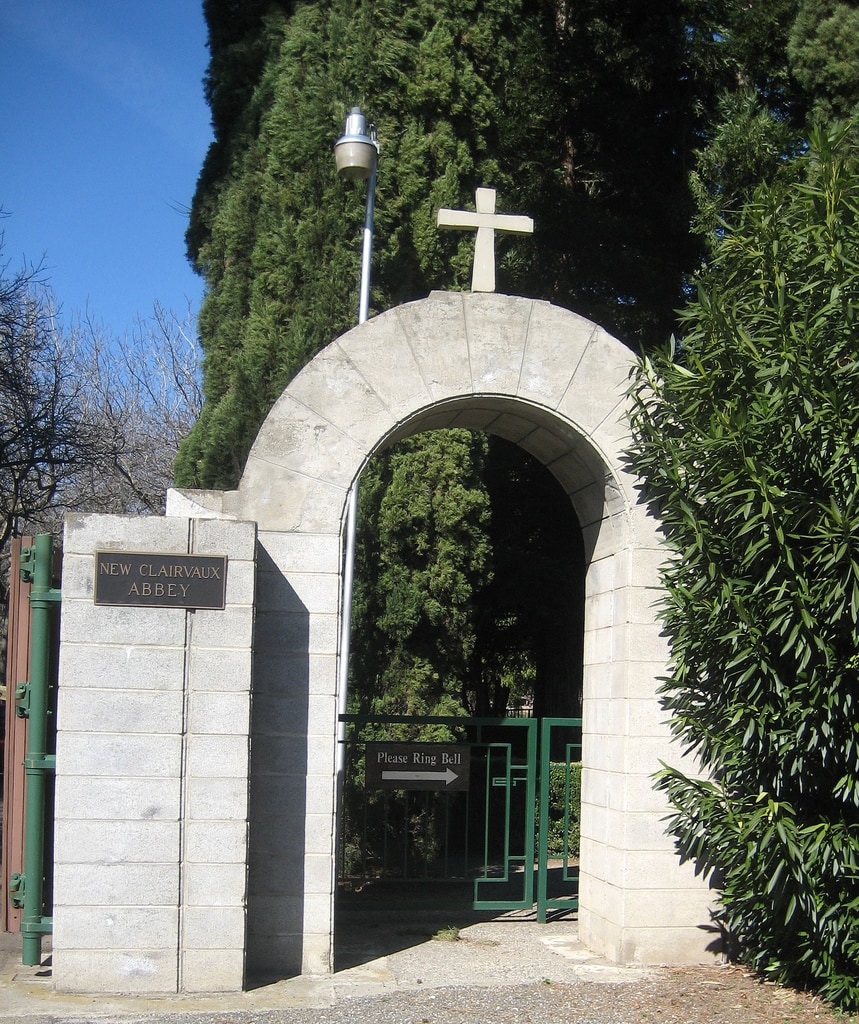
Gothic
- Reconstructed 800-Year-Old Spanish Chapter House
- Vineyards and Orchards
- Stanford Winery Building
Leland Stanford, William Randolph Hearst, Father Thomas Davis, Margaret Burke, Harold Olmo, Jerry Brown
- Establishment of the Abbey In 1955
- Dismantling and Shipment of Santa Maria De Ovila Chapter House Stones In 1931
- Reconstruction of the Chapter House From 2004 To 2017
- Dedication of the New Chapter House In 2018
- Planting of the New Clairvaux Vineyard In 2000
- Partnership With Sierra Nevada Brewing Company In 2010
About Abbey of New Clairvaux
The Abbey of New Clairvaux is a rural Trappist monastery situated in Vina, Tehama County, Northern California. Founded in 1955 by monks from the Abbey of Gethsemani, its establishment marked a new foundation in California for the Cistercians of the Strict Observance. The community leads an austere contemplative life dedicated to penance and prayer, maintaining a quiet and secluded existence behind a wall that separates the monastic enclosure from external areas.
History and Significance
A defining feature of the Abbey of New Clairvaux is its remarkable chapter house, known as the "Sacred Stones." This structure is reassembled from the limestone blocks of the 800-year-old chapter house of the Cistercian monastery of Santa Maria de Ovila, originally located in Trillo, Spain. These historic stones were purchased by William Randolph Hearst in 1925, dismantled, and shipped to California with the intention of using them in his grand estate. After decades in storage, the stones were eventually acquired by the abbey, and their reconstruction began in 2004, culminating in a dedication in July 2018. Approximately 65% of the stones are original, with the remainder imported from Texas for compatibility and color.
Agriculture and Production
The monastery's grounds, which were once part of Leland Stanford's estate, include farmland that the monks cultivate to sustain their community. They grow prunes, walnuts, and grapes from the orchards and vineyards. The property also retains Stanford's original winery building. The New Clairvaux Vineyard was planted in 2000, and the abbey began selling its wine in 2005. In addition to wine, the abbey partnered with Sierra Nevada Brewing Company in 2010, commencing the production of Trappist-style beers under the Ovila label in 2011. While these beers are produced in the Trappist tradition, the abbey has not yet received official sanction from the International Trappist Association.
Daily Life and Community
The monks adhere to a disciplined daily schedule, chanting the Divine Office seven times a day, beginning with Vigil at 3:30 a.m. and concluding with Compline at 7:35 p.m. While guests are permitted to join in these services, interaction with the monastic community is kept to a minimum to preserve the contemplative atmosphere. The abbey experienced a decrease in its community members, with numbers falling from 35 in 1980 to 22 in 2013. Notable visitors to the Abbey have included California Governor Jerry Brown.
Source: Wikipedia ↗
Frequently Asked Questions
When was the Abbey of New Clairvaux founded?
The Abbey of New Clairvaux was established in 1955. Monks from the Abbey of Gethsemani sought to begin a new foundation in California at that time.
What is significant about the chapter house at New Clairvaux?
The chapter house is reconstructed from the original limestone blocks of an 800-year-old Cistercian monastery, Santa Maria de Ovila, from Spain. These stones were acquired by William Randolph Hearst in the 1920s and later donated to the abbey for reconstruction.
What kind of agricultural products does the abbey produce?
The monks cultivate prunes, walnuts, and grapes from the orchards and vineyards on the monastery's grounds. These products help sustain the community.
Does the Abbey of New Clairvaux produce wine and beer?
Yes, the monastery began selling its own wine in 2005 and started producing Trappist-style beers under the Ovila label in 2011. However, they have not yet been sanctioned by the International Trappist Association to brew official Trappist beer.
What is the daily life like for the monks?
The monks live an austere contemplative life of penance and prayer. They chant the Divine Office seven times daily, starting with Vigil at 3:30 a.m. and concluding with Compline at 7:35 p.m.
Is the Abbey of New Clairvaux open to the public?
While guests are welcome to join the monks in the chapel for the Divine Office, the monastery is separated by a wall, maintaining a quiet and secluded environment. Interaction between monks and retreatants is minimal.
Related Monasteries
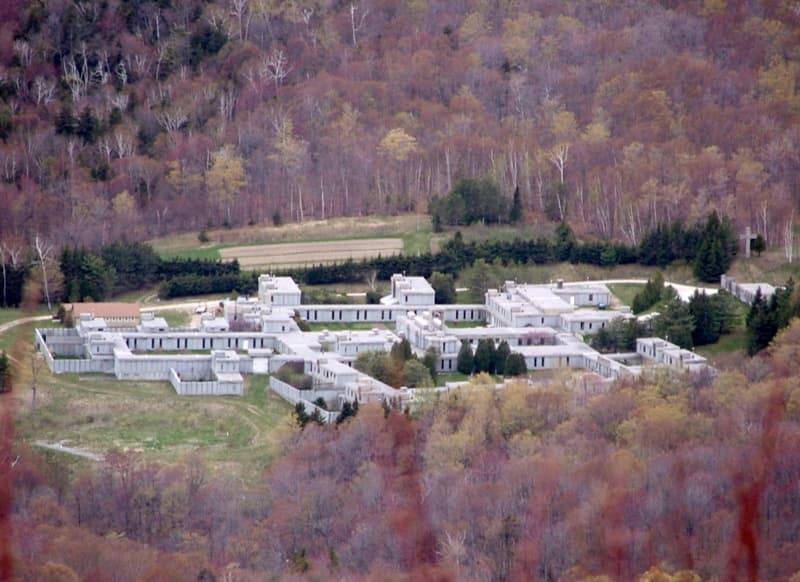
Charterhouse of the Transfiguration
The Charterhouse of the Transfiguration, located on Mt. Equinox in Sandgate, Vermont, is the sole Carthusian monastery in North America. Founded in 1960 and completed in 1970, it replaced earlier Carthusian foundations in Vermont. The monastery is situated on a significant land donation and was designed by Victor Christ-Janer & Associates, utilizing Vermont granite.

Mount Saviour Monastery
Mount Saviour Monastery is a historic farm and monastery campus situated near Pine City, New York, recognized as part of a national historic district. Founded in 1950, it operates a working farm that has been in continuous use since 1865. The monastery is owned by the Benedictine Foundation of New York State and has also served as a point of origin for other monastic communities, notably the Monastery of Christ in the Desert.
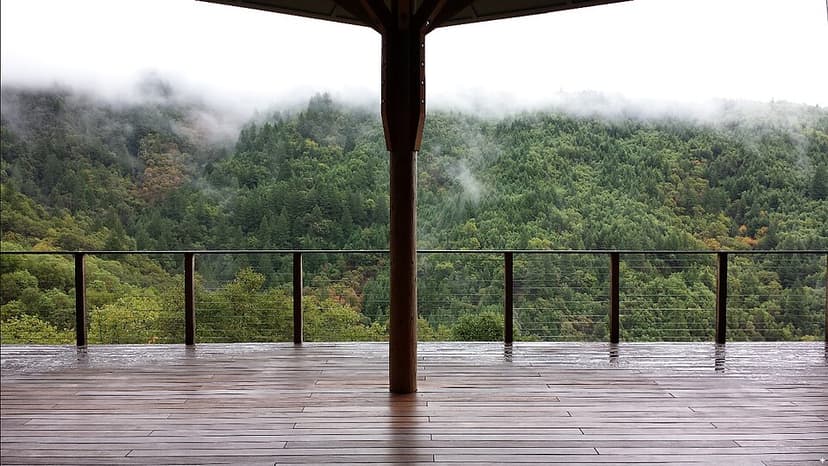
Abhayagiri Buddhist Monastery
Abhayagiri Buddhist Monastery is a Theravada Buddhist monastery located in Redwood Valley, California, belonging to the Thai Forest Tradition. Founded in the 1980s, its primary focus is teaching Buddhist ethics and meditation as a path to ending suffering. The monastery, meaning 'fearless mountain,' has grown to encompass 280 acres of mountainous forest land and has developed significant infrastructure, including monastic huts, a Dhamma Hall, and a reception hall.