
Abbaye du Paraclet
Christian·France·Ruins and historical monuments·12th century
The Abbaye du Paraclet was a Benedictine monastery initially founded by Peter Abelard near Ferreux-Quincey, France. It was later transformed into a nunnery under the leadership of Héloïse, his wife, who served as its abbess for the remainder of her life. Though a significant portion of the abbey was demolished during the French Revolution, surviving structures and monuments continue to acknowledge its historical and religious importance.
Key Facts
- ›Founded by Peter Abelard around 1121 as a Benedictine monastery.
- ›Transformed into a nunnery and given to Héloïse in 1125.
- ›Héloïse served as the abbess of the Paraclete until her death.
- ›The remains of Héloïse and Abelard were originally buried at the abbey.
- ›Significant portions of the abbey were demolished during the French Revolution.
- ›Remaining structures include a 17th-century barn and dovecote, and an 18th-century conventual building.

Romanesque
Monument To HéLoïSe and AbéLard, 17th-Century Barn, 17th-Century Dovecote, 18th-Century Conventual Building, Early 20th-Century Chapel
Peter Abelard, HéLoïSe
Demolition During the French Revolution
About Abbaye du Paraclet
The Abbaye du Paraclet, located in Ferreux-Quincey, France, holds a significant place in medieval history, particularly through its association with Peter Abelard and Héloïse.
Founding and Transformation
Peter Abelard founded the monastery around 1121, establishing it as a Benedictine institution. However, Abelard's tenure was brief as he was elected abbot of another monastery. In 1125, he entrusted the Paraclete to his wife, Héloïse, who had been displaced from a nunnery in Argenteuil. Under Héloïse's leadership, the Paraclete was rededicated as a nunnery, and she served as its abbess for the remainder of her life, dedicating herself to its administration and the spiritual well-being of its inhabitants.
Notable Figures and Legacy
Héloïse and Abelard shared a profound and complex relationship, and their mortal remains were interred together at the Abbaye du Paraclet. This union of their physical presence underscored their enduring connection. The abbey's history was irrevocably altered during the French Revolution when a substantial portion of its structures were demolished.
Surviving Structures
Despite the destruction, remnants of the Abbaye du Paraclet endure. These include a barn and a dovecote dating from the early 17th century, as well as a conventual building from the 18th century. These surviving buildings, along with a monument erected in honor of Héloïse and Abélard, are recognized as listed monuments. A chapel was also added in the early 20th century, further marking the site's historical and devotional significance.
Source: Wikipedia ↗
Frequently Asked Questions
When was the Abbaye du Paraclet founded?
The Abbaye du Paraclet was founded by Peter Abelard around 1121. It was later rededicated as a nunnery in 1125.
Who were the key figures associated with the Abbaye du Paraclet?
Peter Abelard founded the monastery, and his wife, Héloïse, became its abbess and spent the rest of her life there. Their remains were originally interred at the abbey.
What happened to the Abbaye du Paraclet during the French Revolution?
A large part of the abbey was demolished during the French Revolution. However, some buildings, including a barn and a dovecote from the early 17th century and an 18th-century conventual building, have survived.
Where are the remains of Héloïse and Abelard now?
The remains of Héloïse and Abelard were transferred from the Paraclet in 1792 to the church of Nogent-sur-Seine. In 1817, they were reportedly moved to a new tomb at Père Lachaise Cemetery in Paris, though their presence there is a matter of dispute.
What remains of the Abbaye du Paraclet today?
Today, the surviving structures include a barn and a dovecote from the early 17th century, and a conventual building from the 18th century. These are listed monuments, along with a monument dedicated to Héloïse and Abélard. A chapel was also constructed in the early 20th century.
Related Monasteries

Abbaye Blanche
The Abbaye Blanche was a Benedictine nunnery founded in 1112 in Mortain, France, by Saint Vitalis. It was established for women with his sister, Adelina, as its first abbess. The community followed a strict interpretation of the Rule of Saint Benedict and later joined the Cistercian order in 1147. Though much has been lost to time, remnants of its Romanesque and Early Gothic architecture endure.
Abbey of Loc-Dieu
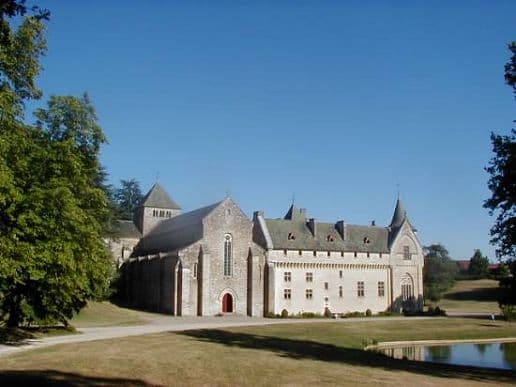
Abbey of Loc-Dieu is a Cistercian abbey situated in Aveyron, France, founded in 1123 on a site historically known as "devil's place" before being renamed "place of God" by its monastic inhabitants. Despite facing destruction and rebuilding, it became a significant Gothic architectural site and, during World War II, served as a safe haven for artworks from the Louvre, including the Mona Lisa. Today, the abbey and its park are open to the public.
Barbeau Abbey
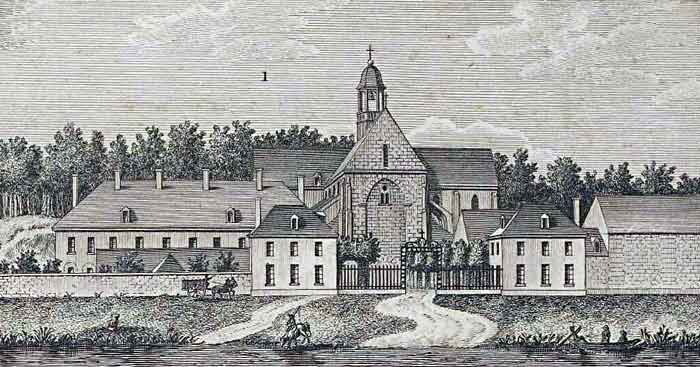
Barbeau Abbey was a Cistercian monastery founded in 1147 by King Louis VII of France. Located in Fontaine-le-Port, Seine-et-Marne, it was a site of royal burial and experienced periods of prosperity and destruction throughout its history, including the Hundred Years' War and the French Revolution. Today, few original structures remain, with a riding school occupying the former site.