
12th Century
The 12th century, spanning from 1101 to 1200, is recognized as a pivotal period within the High Middle Ages in European history. This era is particularly significant for the flourishing "Golden Age" of the Cistercians, a prominent monastic order. Concurrently, the Islamic world experienced substantial intellectual and cultural advancements, especially in Islamic Spain, while various empires and dynasties across Asia and Africa underwent periods of growth, conflict, and transformation.
Key Facts
- ›The "Golden Age" of the Cistercians occurred during this century, marking a period of significant influence and expansion for the order.
- ›The Knights Templar were founded around 1119 to protect Christian pilgrims in Jerusalem.
- ›The Premonstratensian Order was established in 1121 by St. Norbert and his companions.
- ›The construction of Angkor Wat in Cambodia, a significant religious and architectural landmark, began in the first half of the century.
- ›The Teutonic Knights were raised to a military order in 1198.
- ›The Hilandar monastery in Mount Athos, Greece, a significant Serbian Orthodox site, was founded in 1198.
Gothic
Cistercian Expansion, Founding of Military and Religious Orders
Golden Age of the Cistercians, Founding of the Knights Templar, Founding of the Premonstratensian Order, Founding of the Teutonic Knights, Construction of Angkor Wat
About 12th Century
The 12th Century: A Period of Monastic Flourishing and Global Change
The 12th century, from 1101 to 1200, represents a significant epoch in both European and global history, particularly notable for its religious and cultural developments.
European Context
In European culture, this period is firmly situated within the High Middle Ages. It is especially recognized for the "Golden Age" of the Cistercians, a Benedictine monastic order that experienced substantial growth and influence across the continent. This era also saw the founding of influential religious and military orders, such as the Knights Templar (c. 1119) and the Premonstratensian Order (1121), which played crucial roles in religious, political, and military affairs. The architectural landscape began to shift, with Suger initiating the rebuilding of the abbey church at St Denis in 1136, a project regarded as the first major Gothic building.
Global Developments
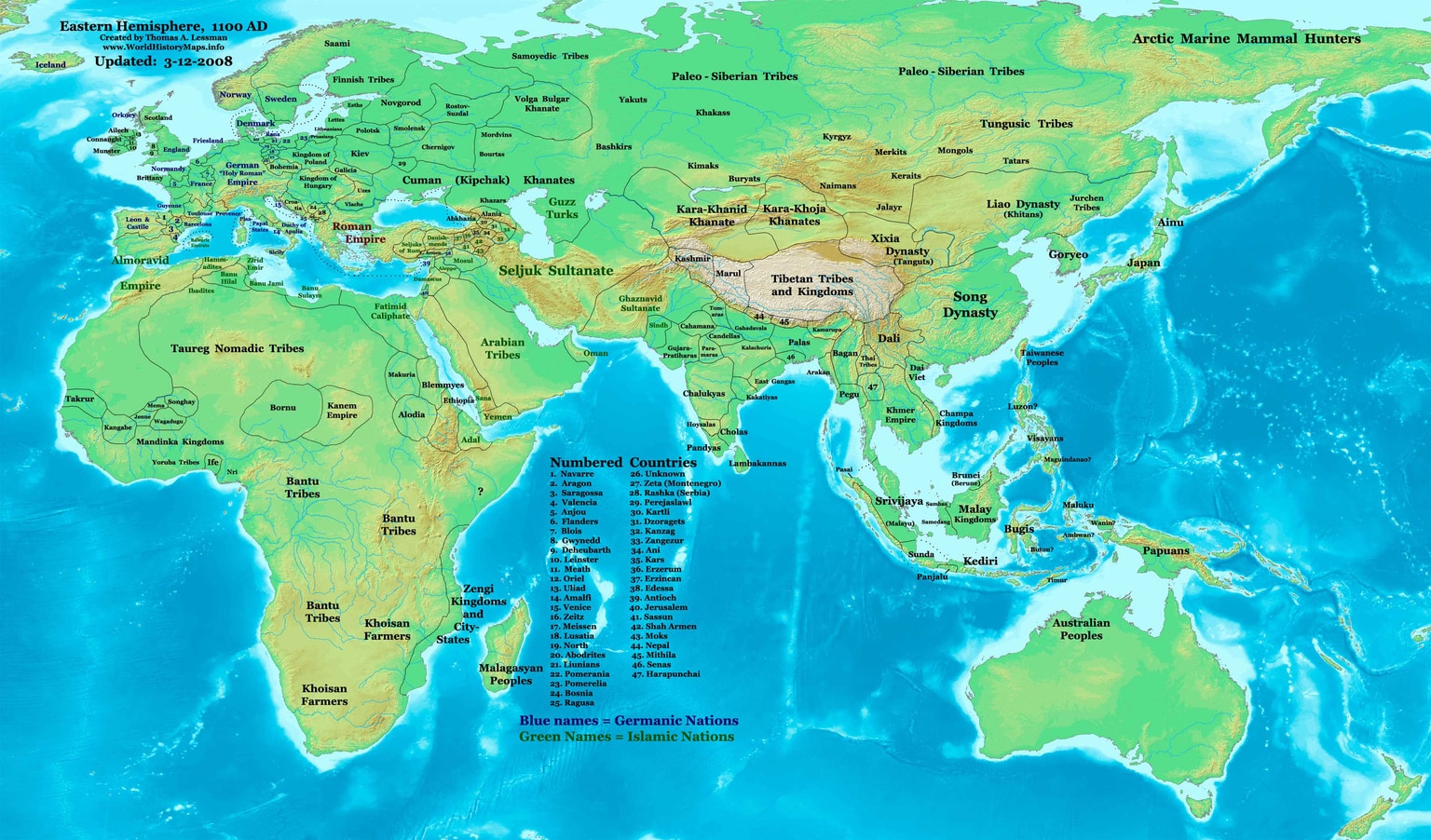
Beyond Europe, the 12th century was a time of dynamic change. The Golden Age of Islam continued to thrive, marked by significant intellectual advancements, especially in Islamic Spain. In East Asia, the Khmer Empire of Cambodia flourished, with King Suryavarman II initiating the construction of Angkor Wat in the first half of the century. The Song dynasty in China faced invasions, leading to political divisions, while the Fatimid Caliphate in Egypt was eventually succeeded by the Ayyubid dynasty under Saladin. The latter part of the century also witnessed Muslim conquests in the Indian subcontinent. Further east, the Teutonic Knights were formally established as a military order in 1198, and the Serbian Orthodox Hilandar monastery was founded on Mount Athos in the same year, becoming a significant Serbian spiritual and educational center.
Source: Wikipedia ↗
Frequently Asked Questions
What major monastic orders saw significant development in the 12th century?
The 12th century is notably described as the "Golden Age" of the Cistercians, indicating a period of great influence and growth for this order. Additionally, the Premonstratensian Order was founded in 1121, and the Teutonic Knights were established as a military order in 1198.
When were the Knights Templar founded?
The Knights Templar were founded around the year 1119. Their primary purpose was to provide protection for Christian pilgrims traveling to the Holy Land.
What significant religious sites were established or developed in the 12th century?
The construction of Angkor Wat in Cambodia, a vast temple complex, began in the first half of the century under King Suryavarman II. Later, in 1198, the Serbian Orthodox Hilandar monastery was founded on Mount Athos, Greece, serving as an important spiritual and educational center.
What was the broader historical context of the 12th century?
In Europe, the 12th century is considered part of the High Middle Ages. It also saw advancements in the Golden Age of Islam, particularly in Islamic Spain. Major political shifts occurred across Asia, including invasions in China and the rise of new dynasties in Egypt and India.
Related Monasteries
15th Century
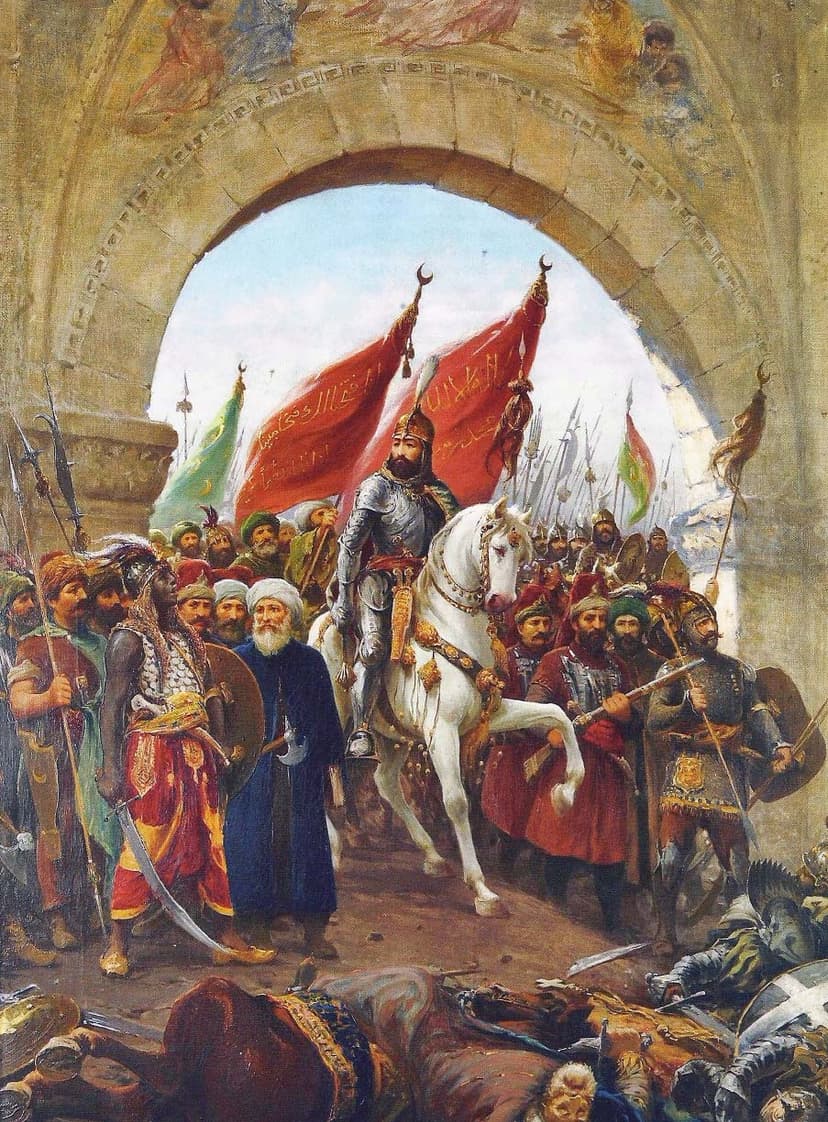
The 15th century was a period of immense transformation in Europe and across the globe, marking the transition from the Late Middle Ages to the Early Renaissance and early modern period. Key developments included advancements in banking, accounting, and the perfection of linear perspective in art. This era witnessed the end of major conflicts like the Hundred Years' War and the Byzantine Empire, alongside significant technological innovations such as the printing press, which profoundly impacted the spread of knowledge and culture.
11th Century
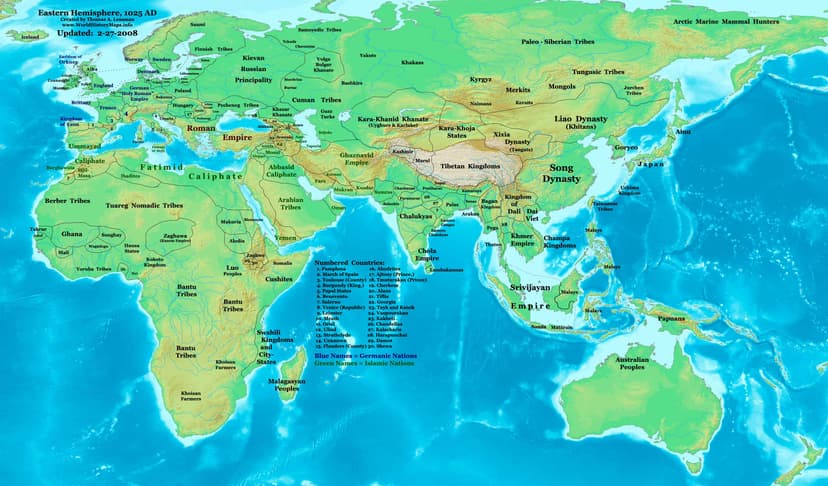
The 11th century marked a pivotal period in global history, characterized by significant shifts in power, religious developments, and advancements in science and culture. In Europe, it initiated the High Middle Ages, witnessing the formal schism between the Roman Catholic and Eastern Orthodox churches, the rise of Norman influence, and the beginnings of the Crusades. Meanwhile, Song dynasty China and the classical Islamic world reached their scientific and cultural peaks, and various empires and kingdoms across Asia, Africa, and the Americas experienced periods of flourishing and conflict.

Aillon Charterhouse
Aillon Charterhouse, also known as Mont-Sainte-Marie Charterhouse, was a former Carthusian monastery established in the Bauges Mountains in the latter half of the 12th century. Founded by Count Humbert III of Savoy, it played a significant role in the region's history, with its monks involved in land cultivation, ironworking, and managing local estates. Though largely in ruins after its suppression during the French Revolution, one remaining building, the former guesthouse, now houses the Heritage Center of the Bauges Massif Regional Natural Park.