
15th Century
The 15th century was a period of immense transformation in Europe and across the globe, marking the transition from the Late Middle Ages to the Early Renaissance and early modern period. Key developments included advancements in banking, accounting, and the perfection of linear perspective in art. This era witnessed the end of major conflicts like the Hundred Years' War and the Byzantine Empire, alongside significant technological innovations such as the printing press, which profoundly impacted the spread of knowledge and culture.
Key Facts
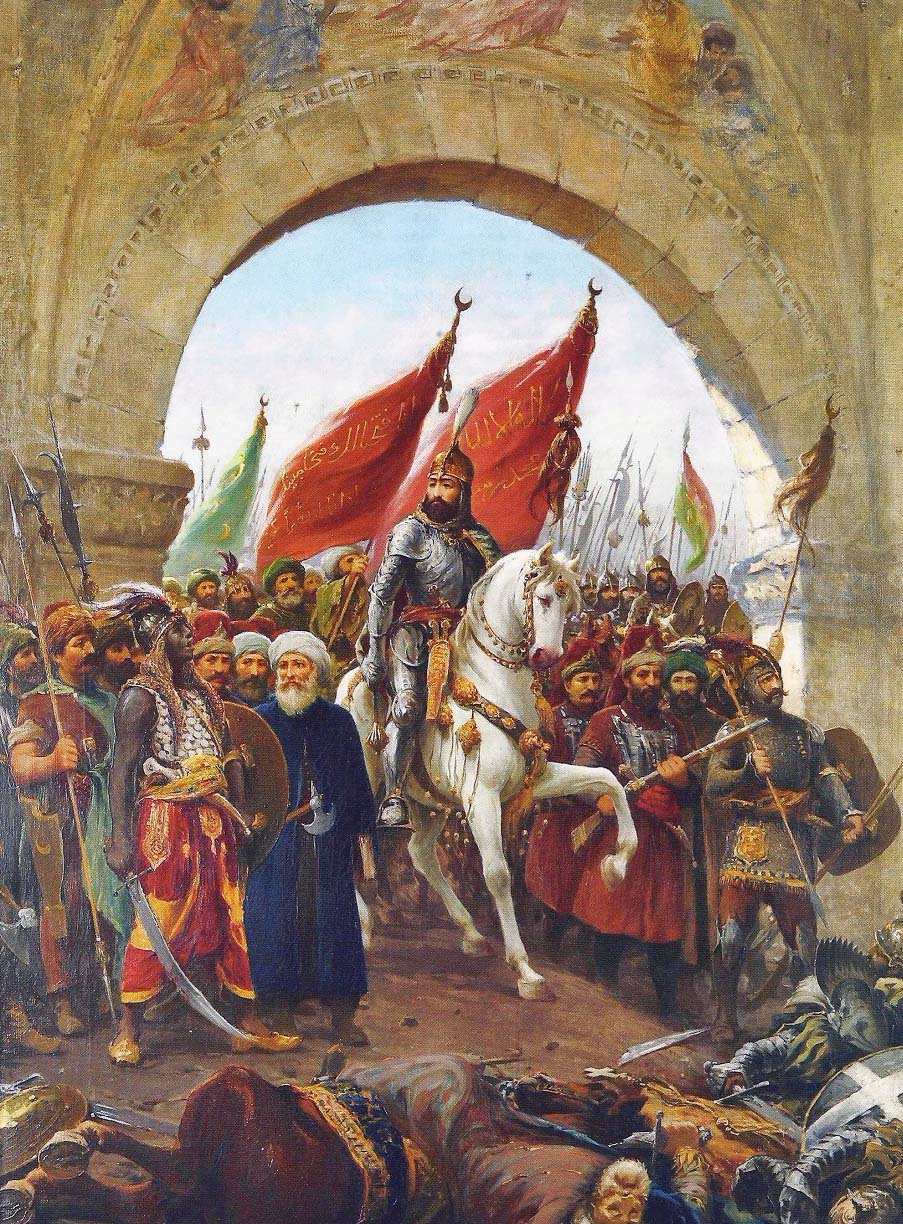
- ›The century saw the end of the Byzantine Empire with the fall of Constantinople to the Ottoman Turks in 1453.
- ›Johannes Gutenberg's invention of the mechanical movable type printing press revolutionized the dissemination of information.
- ›The Hundred Years' War concluded with a French victory, while in England, the Wars of the Roses led to the establishment of the Tudor dynasty.
- ›Explorers like Christopher Columbus and Vasco da Gama embarked on voyages that reshaped global understanding and trade routes.
- ›In Asia, the Ming dynasty reached its zenith under the Yongle Emperor, and the Aztec and Inca Empires in the Americas attained their peak influence.
- ›Technological and cultural advancements, including the development of perspective in art and the establishment of public banks, laid foundations for future European development.
- Development of Architectural Perspective
- Founding of Banking and Accounting Practices
- Invention of the Mechanical Movable Type Printing Press
- End of the Hundred Years' War
- Fall of the Byzantine Empire
- Age of Discovery Voyages
Johannes Gutenberg, Christopher Columbus, Vasco Da Gama, Yongle Emperor, Joan of Arc, Henry Vii of England, Mehmed the Conqueror, Ferdinand Ii of Aragon, Isabella I of Castile
Hundred Years' War Ends, Fall of Constantinople, Wars of the Roses, Columbus's Voyages To the Americas, Vasco Da Gama's Voyage To India, Development of the Printing Press, Western Schism Concludes, End of Islamic Rule In Spain, Ming Dynasty Voyages, Rise of the Songhai Empire
About 15th Century
The 15th Century: A Crucible of Change
The 15th century, spanning from 1401 to 1500, stands as a pivotal era in global history, characterized by profound technological, social, cultural, and political transformations. In Europe, it marked a transition from the Late Middle Ages to the Early Renaissance and the dawn of the early modern period. This century witnessed the culmination of major conflicts and the birth of new empires, alongside groundbreaking inventions that would reshape the course of human civilization.
Key Developments and Transformations
Technologically, the century is perhaps most renowned for Johannes Gutenberg's perfection of the mechanical movable type printing press around 1455. This innovation revolutionized the dissemination of knowledge, making books more accessible and fostering literacy and intellectual exchange. Architecturally and artistically, the concept of linear perspective was perfected, influencing painting and design for centuries to come. Economically, foundational elements of modern banking and accounting emerged in Italy.
Shifting Political Landscapes
The 15th century was a period of significant geopolitical shifts. The Hundred Years' War concluded with a decisive French victory, while in England, the internecine Wars of the Roses led to the establishment of the Tudor dynasty. The once-mighty Byzantine Empire met its end with the fall of Constantinople to the Ottoman Turks in 1453, a date often cited as a marker for the end of the Middle Ages. In the Islamic world, the Reconquista in Spain concluded with the fall of Granada, ending over seven centuries of Muslim rule. Simultaneously, the Aztec and Inca Empires in the Americas reached their apogee, while in Asia, the Chinese Ming dynasty experienced a period of significant expansion and overseas exploration under the Yongle Emperor and Admiral Zheng He. The Songhai Empire in West Africa also rose to prominence.
The Dawn of Global Exploration
Perhaps one of the most far-reaching developments of the 15th century was the Age of Discovery. Driven by a desire to bypass existing trade routes and access the riches of the East, European explorers embarked on voyages that would fundamentally alter global understanding and interaction. Christopher Columbus's landing in the Americas in 1492 and Vasco da Gama's successful sea route to India around Africa in the late 1490s initiated an era of unprecedented global contact, trade, and ultimately, colonization, forever changing the course of modern history.
Source: Wikipedia ↗
Frequently Asked Questions
What major wars concluded in the 15th century?
The 15th century saw the conclusion of the Hundred Years' War between England and France in 1453 with a decisive French victory. It also witnessed the end of the Byzantine Empire with the fall of Constantinople to the Ottoman Turks in the same year. In England, the protracted Wars of the Roses concluded with the Battle of Bosworth Field in 1485, establishing the Tudor dynasty.
What significant technological innovations occurred in the 15th century?
The most impactful technological innovation of the 15th century was Johannes Gutenberg's development of the mechanical movable type printing press around 1455. This invention dramatically increased the speed and reduced the cost of producing books, leading to a wider dissemination of knowledge and ideas. Other advancements included the perfection of linear perspective in art and the development of public banking systems.
How did global exploration change during the 15th century?
The 15th century was a pivotal era for global exploration, driven by the desire for new trade routes, particularly to Asia. Key figures like Christopher Columbus, who reached the Americas in 1492, and Vasco da Gama, who found a sea route to India around the Cape of Good Hope in 1497-1499, dramatically expanded the known world for Europeans. These voyages marked the beginning of European colonization and a profound shift in global interactions.
What was the impact of the fall of Constantinople?
The fall of Constantinople to the Ottoman Turks in 1453 marked the definitive end of the Byzantine Empire, a significant event for many historians signaling the close of the Middle Ages. This event also led to the migration of Greek scholars and classical texts to Italy, which played a crucial role in fueling the development of the Renaissance. The shift in power also influenced trade routes and geopolitical dynamics between Europe and the East.
What were some major political shifts in Asia and Africa during the 15th century?
In Asia, the Ming dynasty in China reached its peak under the Yongle Emperor, who commissioned the construction of the Forbidden City and sponsored Zheng He's extensive maritime voyages. The Timurid Empire collapsed, and the Lodi dynasty gained control of the Delhi Sultanate. In Africa, the Songhai Empire rose to prominence under Sonni Ali Ber and later Askia Muhammad, becoming the largest empire in West African history. Conversely, the Christian kingdoms of Nubia were destroyed, and the Mali Empire weakened under pressure from the Songhai.
Related Monasteries
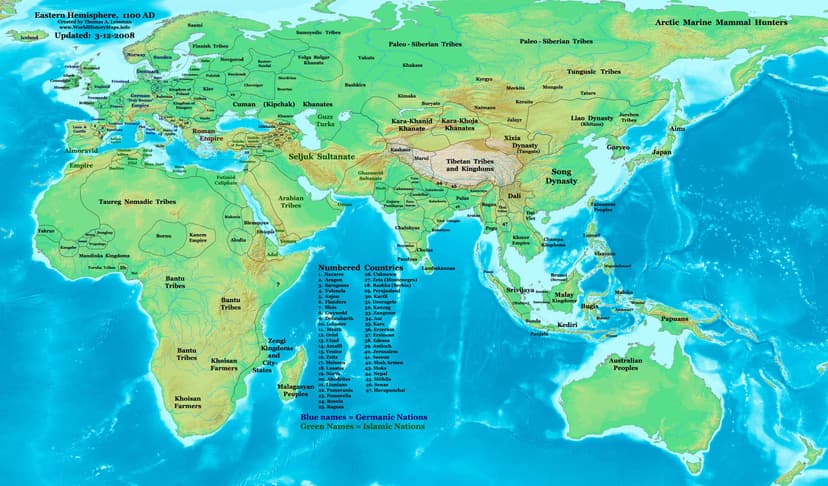
12th Century
The 12th century, spanning from 1101 to 1200, is recognized as a pivotal period within the High Middle Ages in European history. This era is particularly significant for the flourishing "Golden Age" of the Cistercians, a prominent monastic order. Concurrently, the Islamic world experienced substantial intellectual and cultural advancements, especially in Islamic Spain, while various empires and dynasties across Asia and Africa underwent periods of growth, conflict, and transformation.
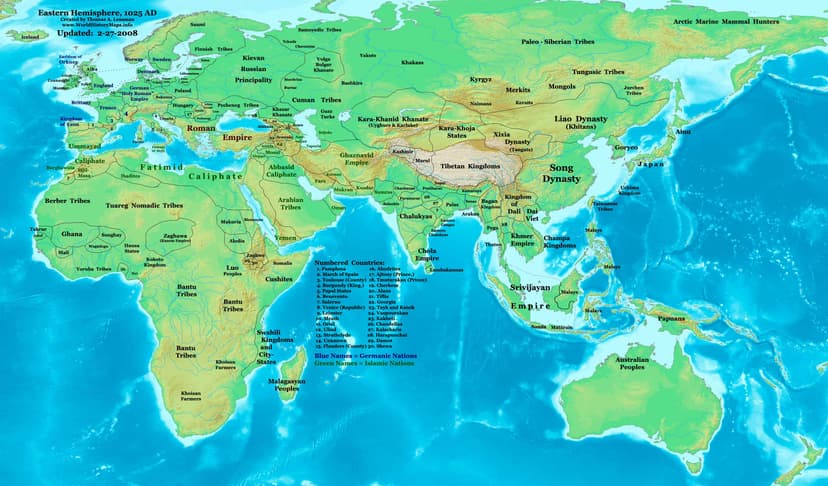
11th Century
The 11th century marked a pivotal period in global history, characterized by significant shifts in power, religious developments, and advancements in science and culture. In Europe, it initiated the High Middle Ages, witnessing the formal schism between the Roman Catholic and Eastern Orthodox churches, the rise of Norman influence, and the beginnings of the Crusades. Meanwhile, Song dynasty China and the classical Islamic world reached their scientific and cultural peaks, and various empires and kingdoms across Asia, Africa, and the Americas experienced periods of flourishing and conflict.

Aachen
Aachen, historically known as Aquae Granni and Aix-la-Chapelle, is a city in Germany with a rich history dating back to Roman times. It rose to prominence as the principal royal residence of Charlemagne and the political center of the Frankish Empire, earning it the moniker "cradle of Europe." For centuries, it served as the coronation site for Holy Roman Emperors. Today, Aachen is a modern technological hub, home to the RWTH Aachen University and its large university hospital, while retaining significant historical and architectural heritage.