
Vedavati
Vedavati is a significant figure in Hindu mythology, primarily known as the previous birth of Sita, the consort of Lord Rama. She is considered an avatar of the goddess Lakshmi and dedicated herself to rigorous penance to attain Vishnu as her husband. Her story culminates in a tragic immolation and a subsequent rebirth as Sita, fulfilling a prophecy that would lead to the demise of the demon king Ravana.
Key Facts
- ›Vedavati is the former incarnation of the goddess Sita.
- ›She is an avatar of Lakshmi, the goddess of wealth and prosperity.
- ›Her father, Kushadhvaja, named her Vedavati for her profound knowledge of the Vedas.
- ›She performed intense tapasya (penance) to win Lord Vishnu as her husband.
- ›After being insulted by Ravana, she immolated herself in a sacrificial fire, cursing him.
- ›She was reborn as Sita, who played a crucial role in Ravana's defeat.

Maya Sita
Wearing the Hide of A Black Antelope, Hair Matted In A Jata, Like A Rishi
Ramayana, Brahma Vaivarta Purana, Devi Bhagavata Purana, Sri Venkatachala Mahatyam, Adhyatma Ramayana
Daughter of Kushadhvaja, Granddaughter of Brihaspati, Previous Birth of Sita, Avatar of Lakshmi
About Vedavati
Vedavati: The Previous Birth of Sita
Vedavati is a pivotal figure in Hindu mythology, recognized primarily as the former incarnation of Sita, the devoted consort of Lord Rama. She is also understood to be an avatar of Lakshmi, the goddess of wealth and prosperity. Her narrative is deeply intertwined with the epic Ramayana, highlighting themes of devotion, purity, and the fulfillment of destiny.
Legend and Devotion
Born to Kushadhvaja, son of the celestial guru Brihaspati, Vedavati was named for her profound knowledge of the Vedas, which she began to utter from birth. Her father instilled in her the aspiration to marry the preserver god Vishnu. This ambition led Vedavati to undertake severe tapasya (penance) to win Vishnu as her husband. She lived in her parents' ashram, described as being inexpressibly beautiful and adorned like a rishi, dedicated to her spiritual practice.
Tragedy and Transformation
During her penance, Vedavati encountered Ravana, the king of Lanka. Captivated by her beauty, Ravana proposed marriage, but Vedavati firmly rejected him. In his rage and frustration, Ravana attempted to assault her, leading Vedavati to curse him that she would be the cause of his death in a future birth. Following this violation, she immolated herself in a nearby ritual fire. This act of self-sacrifice and her curse set the stage for her rebirth.
Rebirth as Sita
According to the Brahma Vaivarta Purana, Vedavati's devotion pleased Goddess Parvati, who assured her that she would have Narayana (Vishnu) as her husband in all his incarnations. This promise was fulfilled when Narayana incarnated as Rama in the Treta Yuga. Vedavati was reborn as Sita, discovered by King Janaka and raised as his daughter. Sita's abduction by Ravana and subsequent rescue by Rama ultimately led to the fulfillment of Vedavati's curse and the destruction of Ravana and his kin.
Maya Sita Variant
Some traditions, including the Devi Bhagavata Purana and the Tamil text Sri Venkatachala Mahatyam, associate Vedavati with Maya Sita, an illusionary duplicate of Sita. In this narrative, when Sita sought refuge in fire to escape Ravana, Maya Sita (Vedavati) took her place. Ravana abducted Maya Sita, mistaking her for Sita. After Ravana's defeat, during the Agni Pariksha, Maya Sita's true identity as Vedavati is revealed by the fire god Agni, and she is promised marriage to Rama in a future incarnation.
Source: Wikipedia ↗
Frequently Asked Questions
Who was Vedavati before she was Sita?
Vedavati was the previous birth of the goddess Sita in Hindu mythology. She is also recognized as an avatar of the goddess Lakshmi. Her intense devotion and a curse she laid upon Ravana led to her rebirth.
Why did Vedavati perform tapasya?
Vedavati's father, Kushadhvaja, desired that the preserver god Vishnu be his daughter's husband. Vedavati continued this dedication through rigorous tapasya, meditating day and night to achieve this union.
What led to Vedavati's immolation?
The demon king Ravana, captivated by Vedavati's beauty, proposed marriage, which she rejected. When Ravana attempted to assault her, a furious Vedavati cursed him and then leapt into a ritual fire, immolating herself.
How is Vedavati connected to the Ramayana?
Vedavati's curse upon Ravana was fulfilled when she was reborn as Sita, the consort of Rama. Her existence and rebirth were instrumental in the events that led to Ravana's downfall.
What is the significance of Maya Sita?
In some traditions, Vedavati is associated with Maya Sita, an illusionary duplicate of Sita. This Maya Sita is said to have been abducted by Ravana, while the real Sita took refuge in a fire, and later, Maya Sita's role as Vedavati is revealed.
What boon did Vedavati receive?
During her penance, Vedavati encountered Goddess Parvati, who granted her a boon. Vedavati desired Narayana (Vishnu) as her husband in all his earthly incarnations, a wish that Parvati confirmed would be fulfilled with Narayana's avatar as Rama.
Related Hindu deities
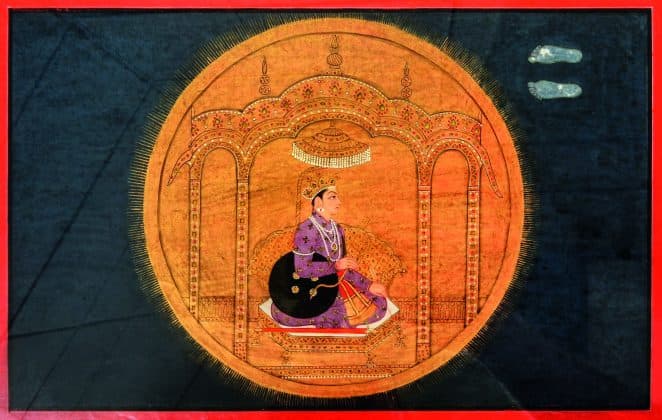
Dhruva
Dhruva was a devoted ascetic of Vishnu, mentioned in the Vishnu Purana and Bhagavata Purana. Born a prince, he undertook severe austerities after being slighted by his stepmother, leading to a divine encounter with Vishnu. His devotion and renunciation earned him the eternal position of the Pole Star.
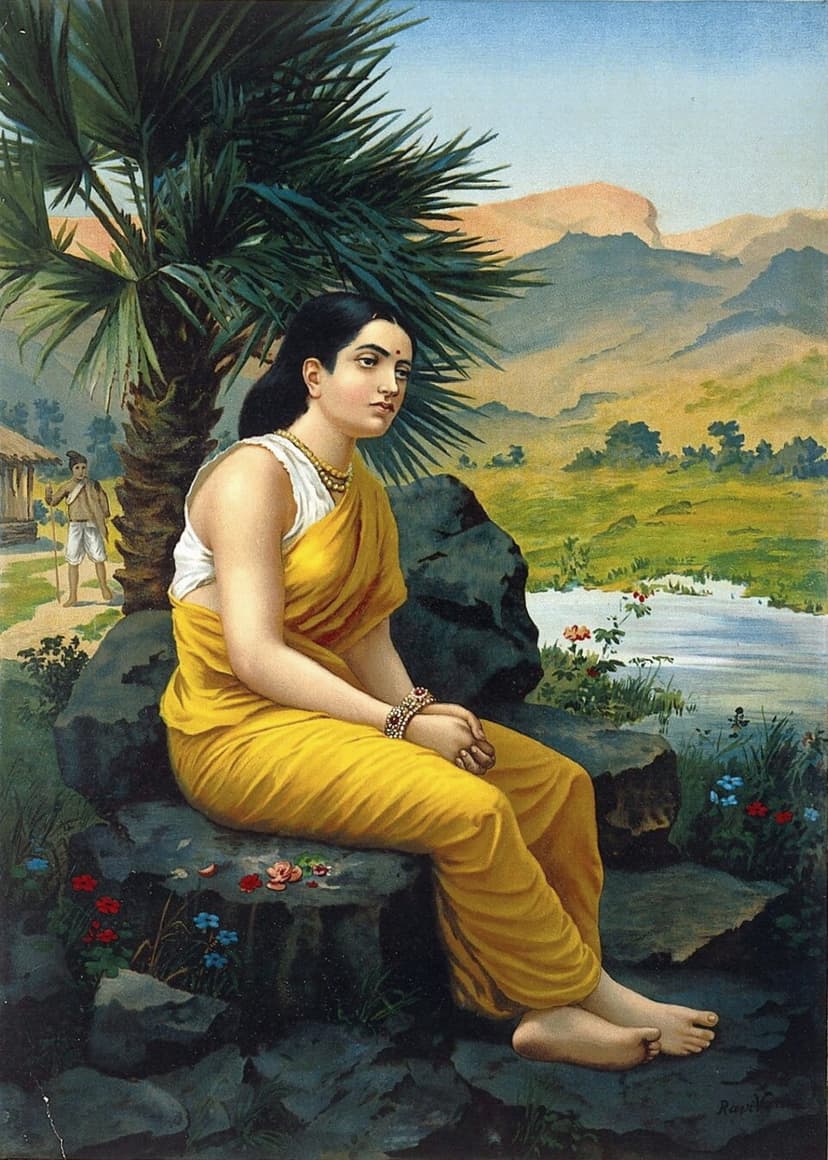
Sita
Sita is a revered Hindu goddess, best known as the devoted wife of Rama and the central female figure in the epic Ramayana. She is considered an avatar of Goddess Lakshmi and is revered as the goddess of beauty and devotion. Her life story highlights themes of loyalty, purity, and endurance, making her a significant deity in Hindu traditions, particularly within the Ramanandi Sampradaya.

Gopis
Gopis, also known as Gopikas, are a group of milkmaids from the Braj region of India, revered in Hinduism as devoted consorts of Krishna. They are celebrated in scriptures like the Bhagavata Purana for their unconditional love and devotion (Bhakti) towards Krishna, with Radha being considered the chief among them. The Gopis' devotion and their ecstatic dance with Krishna, known as the Raslila, have significantly inspired art, literature, and performance traditions.