
Skandamata
Skandamata, meaning 'mother of Skanda,' is a form of the Hindu goddess Mahadevi. She is revered as the mother of the war god Kartikeya (also known as Skanda) and is the fifth of the Navadurga, worshipped on the fifth day of Navaratri. Her iconography often depicts her with four arms, three eyes, holding her infant son, and seated on a lotus.
Key Facts
- ›Skandamata is a form of the Hindu goddess Mahadevi.
- ›She is primarily known as the mother of the war god Kartikeya, also called Skanda.
- ›She is the fifth deity in the Navadurga pantheon.
- ›Skandamata is worshipped on the fifth day of the Navaratri festival.
- ›Her iconography includes four arms, three eyes, and a lion as her mount.
- ›She is often depicted holding lotuses and an infant Skanda.

Mother of Skanda, Padamasani
Four-Armed, Three-Eyed, Holds Infant Skanda On Lap, Holds Lotus Flowers, Fear-Dispelling Abhayamudra Gesture, Light-Complexioned, Seated On A Lotus
Shiva Purana
Mother of Skanda, Consort of Shiva, Aspect of Mahadevi
Navaratri
Skanda
Shakti
About Skandamata
Skandamata, whose name translates to 'mother of Skanda,' is a revered form of the Hindu goddess Mahadevi. She is primarily known and worshipped as the maternal figure to the war god Kartikeya, who is also referred to as Skanda. As the fifth of the Navadurga, a group of nine distinct forms of the goddess, Skandamata holds a significant place in Hindu devotional practices, particularly during the Navaratri festival where she is venerated on the fifth day.
Iconography and Legend
Skandamata is typically depicted with four arms and three eyes. Her iconography often includes holding the infant form of her son, Skanda, on her lap, while one hand displays the fear-dispelling gesture known as abhayamudra. Her remaining two hands are usually shown holding lotus flowers, symbolizing purity and spiritual growth. She is often portrayed as light-complexioned and is sometimes referred to as Padamasani, meaning 'one who is seated on a lotus,' due to her common depiction on this divine flower. Her mount is a lion, representing strength and courage.
The legends surrounding Skandamata often connect to the birth and upbringing of Skanda. According to texts like the Shiva Purana, the birth of Skanda was a divine intervention to combat the asura Taraka. Following events involving Shiva, Parvati took on the nurturing role, breastfeeding and raising the infant Skanda, thereby embodying the divine maternal aspect that defines Skandamata. It is in this nurturing capacity that she is celebrated and invoked by devotees.
Source: Wikipedia ↗
Frequently Asked Questions
Who is Skandamata?
Skandamata is a form of the Hindu goddess Mahadevi, venerated as the mother of the war god Kartikeya, also named Skanda. She is a significant deity within the Navadurga and is worshipped during Navaratri.
What is Skandamata known for?
Skandamata is known for her maternal role in nurturing and raising the war god Skanda. She is also recognized as the fifth of the Navadurga, a group of nine forms of the goddess worshipped during the Navaratri festival.
What is the iconography of Skandamata?
Skandamata is depicted with four arms and three eyes. She is typically shown holding her infant son Skanda on her lap, with two hands holding lotus flowers. Her mount is a lion, and she is often seated on a lotus.
When is Skandamata worshipped?
Skandamata is worshipped on the fifth day of the Navaratri festival. This period celebrates the nine forms of the goddess Mahadevi.
What is Skandamata's connection to Skanda?
Skandamata is the mother of Skanda, also known as Kartikeya. The legend describes how Parvati nourished and breastfed the child Skanda, and this maternal aspect came to be known as Skandamata.
Related Hindu deities
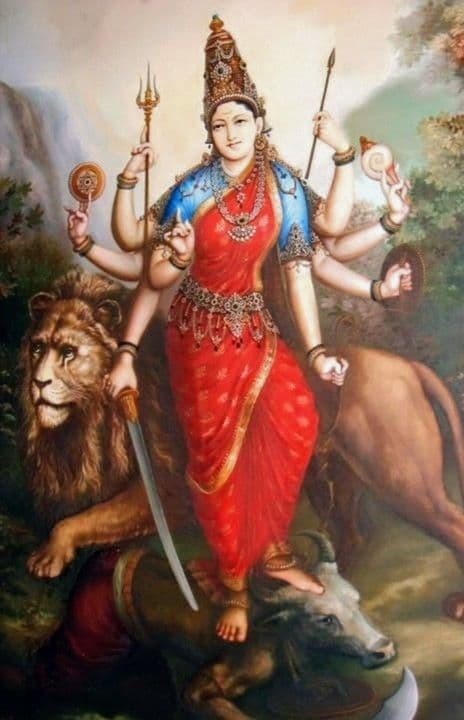
Durga
Durga is a prominent Hindu deity, widely worshipped in Shaktism as the principal aspect of Mahadevi, the Ultimate Reality. She is revered for her protective, motherly, and warrior attributes, symbolizing the triumph of good over evil. Legends often depict her battling demonic forces that threaten cosmic order, and she is a central figure in festivals like Durga Puja and Navaratri.
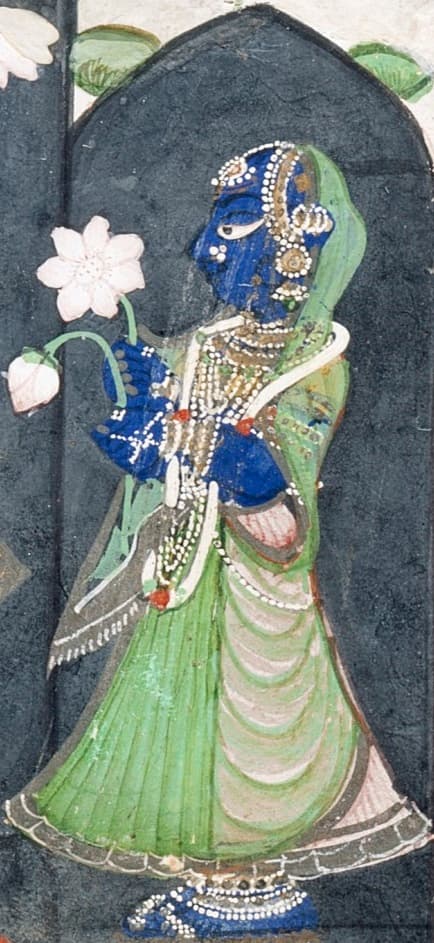
Revati
Revati is a goddess in Hindu scriptures, known as the consort of Balarama and the daughter of King Kakudmi. Her myth involves a significant temporal displacement, where she and her father traveled to Brahmaloka, returning to find 27 Chatur-yugas had passed on Earth. She is also associated with mother goddesses, fortune, and prosperity.
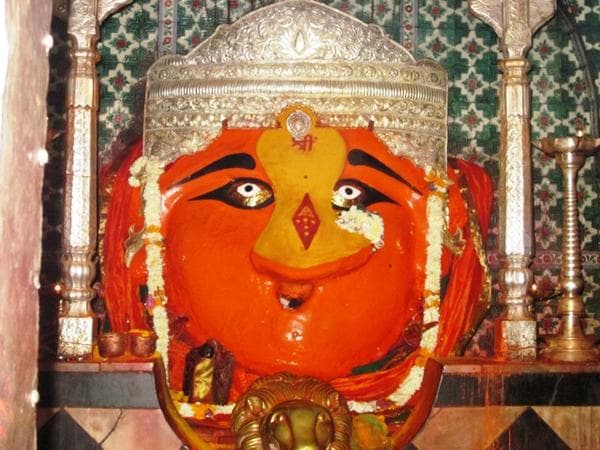
Renuka
Renuka is a prominent Hindu goddess, primarily worshipped in South and West India. She is revered as the wife of sage Jamadagni and the mother of Parashurama, an avatar of Vishnu. Renuka is considered a manifestation of Shakti, the Mother Goddess, and is known for her devotion and protective qualities.