
Renuka
Renuka is a prominent Hindu goddess, primarily worshipped in South and West India. She is revered as the wife of sage Jamadagni and the mother of Parashurama, an avatar of Vishnu. Renuka is considered a manifestation of Shakti, the Mother Goddess, and is known for her devotion and protective qualities.
Key Facts
- ›Wife of sage Jamadagni and mother of Parashurama.
- ›Considered a manifestation of Shakti, the Mother Goddess.
- ›Associated with the ritual of Joga Bedodu/Jogawa/Yellamma Jogu.
- ›Her story is chronicled in scriptures like the Mahabharata and Bhagavata Purana.
- ›Worshipped under various regional names, including Aai Yellamma and Mariamman.
- ›Devotees believe she is a wish-granter and wards off evil.
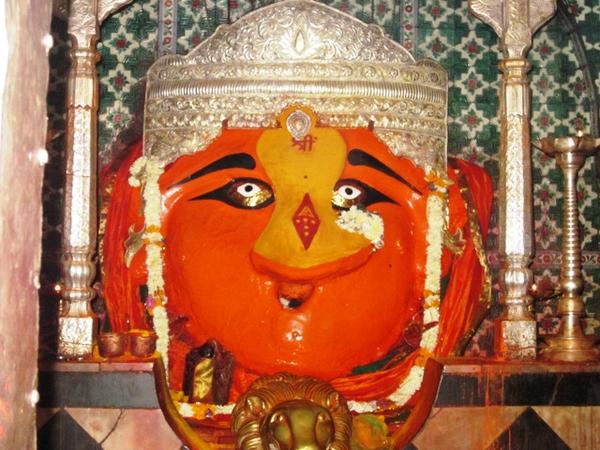
Aai Yellamma, Ekvira, Yamai, Ellai Amman, Padmakshi Renuka, Ucchangi Mariamma, Ellai Amma Mahar, Renuka Bhavani, Yellamma Devi, Mariamman, Jagadamba
- Often Depicted With Multiple Heads Or Arms In Some Traditions.
- Associated With the Ritual of Carrying Water In Unbaked Pots Or With Coiled Serpents.
- the Shivalinga Is Part of Her Ritualistic Worship.
Mahabharata, Harivamsa, Bhagavata Purana, Devi Gita
Wife of Sage Jamadagni, Mother of Five Sons, Including Parashurama, Daughter of King Renu, Considered A Manifestation of Adi Parashakti
Navratri, Yellamma Kalyanothsavam
Renuka Amba Temple, Hyderabad, Balkampet Yellamma Temple, Hyderabad, Renukambe Temple, Chandragutti, Matripura Temple, Mahur, Yalubai Temple, Dhamnand-Posare, Renugambal Amman Temple, Padavedu, Kondi Amman Temple, Manthangal, Yellamma Gudi Temple, Saundatti, Renuka Lake, Himachal Pradesh
Anjana, ṛUmaṇVāN, Suhotra, Vasu, ViśVāVasu, Rama Bhargava
Serpent
Deity, Mother of An Avatar
About Renuka
Renuka is a revered Hindu goddess, primarily worshipped in the southern and western states of India, including Karnataka, Tamil Nadu, Telangana, Andhra Pradesh, Gujarat, Maharashtra, and Madhya Pradesh. She is the wife of the sage Jamadagni, who was one of the Saptarishis (seven great sages), and is regarded as the mother of Parashurama, the sixth avatar of the god Vishnu. In regional devotional traditions, Renuka is considered a powerful manifestation of Shakti, the Mother Goddess, embodying divine feminine energy and protection.
Life and Legends
Renuka was born to King Renu and emerged from a sacrificial fire (yajna). From a young age, she exhibited intense devotion, demonstrated by her ability to mould sand into an unbaked pot and use a serpent as a rope to carry water for her husband's rituals. She bore Jamadagni five sons, including Rama Bhargava, who would become known as Parashurama.
A pivotal legend recounts Renuka's momentary distraction while fetching water, observing King Chitraratha with his wives. This lapse in devotion caused her to lose her spiritual power. Jamadagni, sensing this through his yogic power, cursed her. Following her husband's curse, Renuka undertook severe penance, guided by saints who instructed her in a purifying ritual involving bathing and worshipping a Shivalinga. Despite completing the ritual, Jamadagni remained furious and ordered his sons to kill her. When only his youngest son, Parashurama, obeyed, he beheaded Renuka with his axe. Later, pleased with Parashurama's devotion, Jamadagni brought Renuka and their sons back to life. This event led to Renuka also being known as Renuka Yellamma and her association with the transgender community.
Significance and Worship
Renuka is venerated as Jagadamba, the Mother of the Universe, a divine protector. Her worship spans various local traditions, and she is known by numerous regional names such as Aai Yellamma, Ekvira, Yamai, Ellai Amman, and Mariamman. Her legends are recorded in ancient Hindu scriptures like the Mahabharata, Harivamsa, and Bhagavata Purana. Many temples are dedicated to her, including the Renuka Amba Temple in Hyderabad, the Balkampet Yellamma Temple, also in Hyderabad, and the Matripura Temple in Mahur, Maharashtra, which is considered her birthplace. Devotees believe that visiting her temples and worshipping her can grant wishes and ward off evil.
Source: Wikipedia ↗
Frequently Asked Questions
Who is Goddess Renuka?
Renuka is a Hindu goddess primarily venerated in South and West India. She is known as the wife of sage Jamadagni and the mother of Parashurama, the sixth avatar of Vishnu. She is also considered a manifestation of Shakti, the Mother Goddess.
What are some of Renuka's alternative names?
Renuka is known by various regional names across India, including Aai Yellamma, Ekvira, Yamai, Ellai Amman, Renuka Bhavani, and Mariamman. She is also revered as Jagadamba, the Mother of the Universe.
What is the legend of Renuka's death and resurrection?
According to legend, Renuka lost her spiritual power due to a momentary distraction, leading her husband Jamadagni to curse her. Jamadagni ordered his son Parashurama to behead her. Pleased with Parashurama's obedience, Jamadagni brought Renuka and her sons back to life.
What is the significance of the Joga Bedodu ritual?
The Joga Bedodu (also known as Jogawa or Yellamma Jogu) ritual involves women purifying themselves, worshipping a Shivalinga, and begging for rice. This ritual, instructed to Renuka by saints, is still performed by women and is believed to bring mercy and blessings.
Where are some important temples dedicated to Renuka?
Significant temples include the Renuka Amba Temple in Hyderabad, the Balkampet Yellamma Temple in Hyderabad, the Renukambe Temple in Chandragutti, and the Matripura Temple in Mahur, Maharashtra, believed to be her birthplace.
What is Renuka's connection to the transgender community?
Following her resurrection, Renuka is also called Renuka Yellamma and became the deity of the transgender community. The Jogappa community is spiritually wedded to her, and transgender women often devote themselves to her service.
Related Hindu deities
Revati
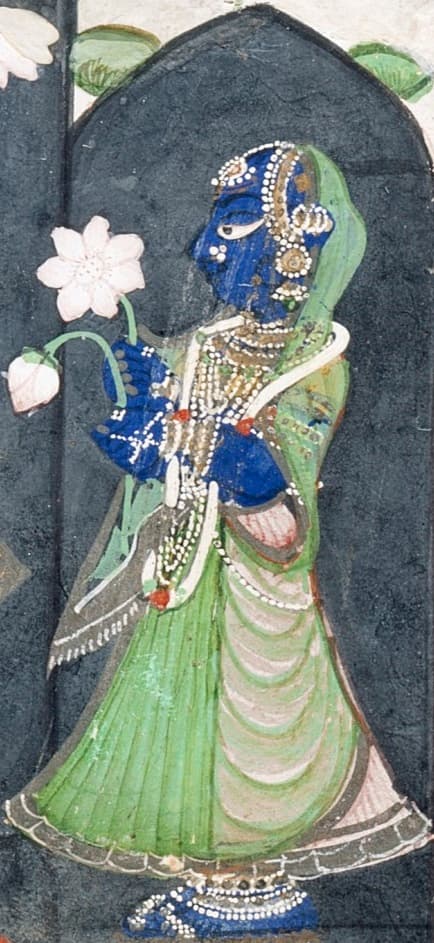
Revati is a goddess in Hindu scriptures, known as the consort of Balarama and the daughter of King Kakudmi. Her myth involves a significant temporal displacement, where she and her father traveled to Brahmaloka, returning to find 27 Chatur-yugas had passed on Earth. She is also associated with mother goddesses, fortune, and prosperity.
Durga
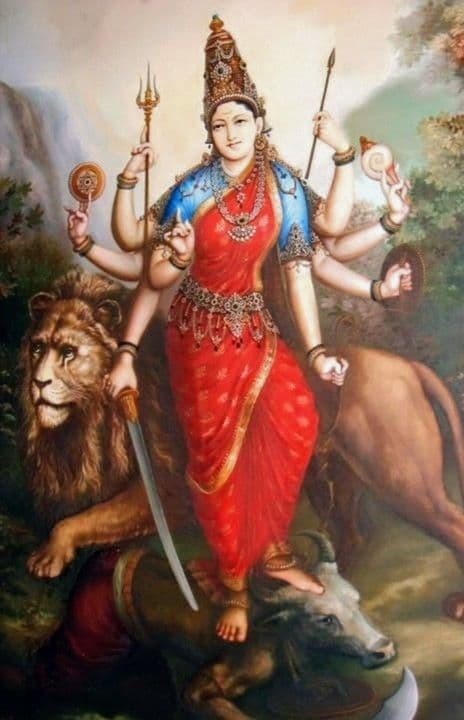
Durga is a prominent Hindu deity, widely worshipped in Shaktism as the principal aspect of Mahadevi, the Ultimate Reality. She is revered for her protective, motherly, and warrior attributes, symbolizing the triumph of good over evil. Legends often depict her battling demonic forces that threaten cosmic order, and she is a central figure in festivals like Durga Puja and Navaratri.
Pṛthivī
Pṛthivī is the Hindu goddess personifying the Earth, revered as the archetypal Mother Goddess. In Vedic texts, she is often depicted as a stable, fertile, and benevolent provider of sustenance, frequently associated with Dyaus, the sky god. In later Hinduism, her role is often taken by the goddess Bhumi, and Pṛthivī becomes an epithet, with her figure significantly linked to Vishnu.