
Sati
Sati, also known as Dakshayani, is a prominent Hindu goddess revered as an aspect of the mother goddess Shakti. She is primarily known as the first wife of Shiva and the daughter of Daksha. Her most significant legend involves her self-immolation to protest her father's insult to her husband, Shiva, which ultimately led to the formation of the sacred Shakti Pithas.
Key Facts
- ›Sati is the first wife of Lord Shiva and an aspect of the mother goddess Shakti.
- ›She is the daughter of Daksha, a Prajapati, and Prasuti.
- ›Her story is central to the legends of Daksha Yajna and her subsequent self-immolation.
- ›The dismemberment of her body by Vishnu's Sudarshana Chakra after her death led to the creation of 51 Shakti Pithas.
- ›She was later reborn as Parvati, who also married Shiva.
- ›The name 'Sati' means 'truthful' or 'virtuous' in Sanskrit.
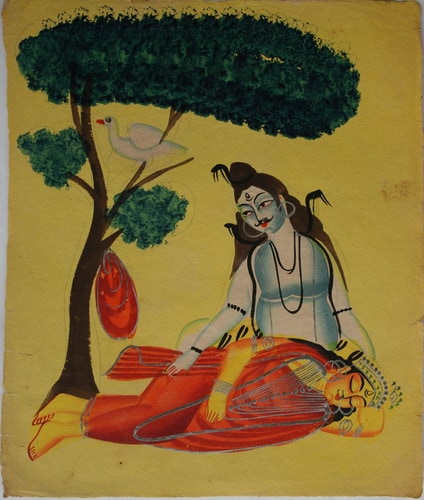
Dakshayani, Dākṣāyaṇī, Dakshakanya, Dakshaja
Puranas, Tantra Literature, Kumarasambhava
Daughter of Daksha, Daughter of Prasuti, Wife of Shiva, Reincarnation of Parvati
Shakti Pithas
Sudarshana Chakra
About Sati
Sati, also known by the name Dakshayani, is a significant Hindu goddess, revered as an manifestation of the divine mother goddess Shakti. Her name, derived from the Sanskrit word 'sat' meaning 'truth', signifies her inherent virtue and righteousness. She is primarily recognized as the first wife of Lord Shiva and the daughter of Daksha, a Prajapati. Her life and legends are deeply intertwined with the foundational narratives of Shaivism and Shaktism.
Legend of Daksha Yajna and Self-Immolation
The most prominent narrative surrounding Sati details her protest against her father, Daksha. Daksha organized a grand yajna (fire sacrifice) and deliberately excluded Shiva, whom he despised. Despite Shiva's warnings of humiliation, Sati attended the ceremony. Upon facing severe insults and mockery from her father towards her husband, Sati, unable to bear the dishonor, immolated herself in the sacrificial fire. This act of supreme sacrifice was a profound statement of her devotion and integrity.
Formation of the Shakti Pithas
Following Sati's self-immolation, an enraged Shiva performed the cosmic dance of destruction, the Tandava, carrying her lifeless body. To restore cosmic balance and pacify Shiva, Lord Vishnu used his divine discus, the Sudarshana Chakra, to dismember Sati's corpse. The scattered body parts fell upon the earth at 51 different locations, which subsequently became known as the sacred Shakti Pithas. These sites are considered highly holy by devotees of the Goddess and are major centers of pilgrimage.
Rebirth and Legacy
After her death, Sati was reborn as Parvati, the daughter of Himavat, the personification of the Himalayas. Like Sati, Parvati also underwent severe penance and devotion to win the heart of Shiva, eventually marrying him. This rebirth signifies the continuity of the divine union and the enduring power of the Goddess. Sati's story has profoundly shaped Hindu traditions, contributing to the philosophical underpinnings of Shaktism and reinforcing the concept of the divine feminine as a powerful, protective, and transformative force in the cosmos.
Source: Wikipedia ↗
Frequently Asked Questions
Who is Sati in Hinduism?
Sati is a Hindu goddess, considered an aspect of the mother goddess Shakti. She is known as the first wife of Shiva and the daughter of Daksha. Her story is significant in shaping traditions within Shaivism and Shaktism.
What is the significance of Sati's self-immolation?
Sati immolated herself to protest the humiliation she faced from her father, Daksha, who had insulted her husband, Shiva. This act of defiance is a pivotal event in Hindu mythology.
What are the Shakti Pithas?
The Shakti Pithas are sacred pilgrimage sites believed to be where parts of Sati's body fell after Shiva, in his grief, carried her corpse and performed the Tandava dance. Vishnu's Sudarshana Chakra dismembered her body, creating these holy places.
How is Sati related to Parvati?
Sati is considered the first wife of Shiva, and after her death, she was reborn as Parvati. Parvati, too, eventually married Shiva, continuing the divine union.
What does the name Sati mean?
The name 'Sati' is derived from Sanskrit and means 'truthful', 'virtuous', or 'noble'. The root word 'sat' signifies 'truth'.
Related Hindu deities
Bhima Kali
Rudrani is an epithet for the consort of the Vedic deity Rudra, who is considered a form of Shiva in contemporary Hinduism. Primarily identified with Parvati, Rudrani represents the active energy of Rudra and embodies the inseparable union of "Energy and Being." She is also recognized as one of the Saptamatrikas (Seven Mothers) and is associated with fierce aspects of the Goddess.

Chamunda
Chamunda is a fierce and formidable form of the Hindu mother goddess, Mahadevi, and is counted among the seven Matrikas (mother goddesses). Her name derives from the demons Chanda and Munda, whom she vanquished. She is known for her terrifying iconography and is often associated with cremation grounds and fierce rituals.
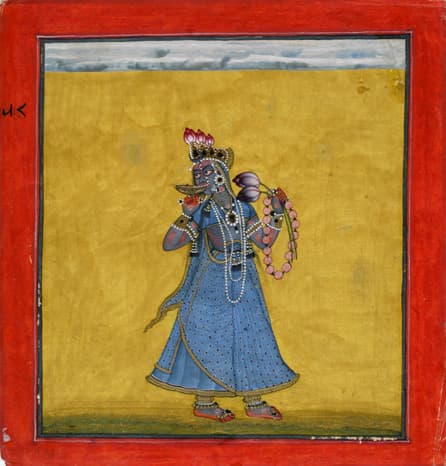
Bhadrakali
Bhadrakali is a fierce and auspicious form of the Hindu supreme goddess Adi Shakti, primarily worshipped in South India, particularly Kerala. She is associated with divine wrath, protection, and the bestowal of spiritual knowledge, often depicted as a powerful warrior goddess who vanquishes evil.