
Rahi
Rahi, also known as Rahimai, is a regional manifestation of the Hindu goddess Radha, primarily worshipped in Maharashtra, India. She is recognized as the consort of Vithoba, a local deity considered a form of Krishna. Her worship is centered in the Vithoba Temple complex at Pandharpur.
Key Facts
- ›Rahi is a regional form of the Hindu goddess Radha.
- ›She is associated with Vithoba, a local manifestation of Krishna.
- ›Local legends identify Rahi as the wife of Vithoba.
- ›The name 'Rahi' is believed to be derived from 'Radhika', another name for Radha.
- ›Her shrine is located within the Vithoba Temple complex in Pandharpur.
- ›She is worshipped alongside Satyabhama, another consort of Krishna.
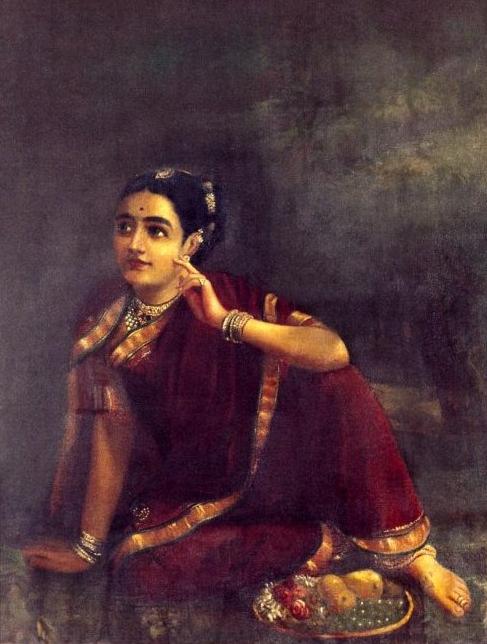
Rahimai, Radhika
Wife of Vithoba
Vithoba Temple Complex, Pandharpur
Regional Deity
About Rahi
Rahi, also known by the name Rahimai, is a significant regional form of the Hindu goddess Radha, predominantly worshipped in the Indian state of Maharashtra. She is closely associated with Vithoba, a popular local deity understood as a manifestation of Lord Krishna. According to local traditions and legends, Rahi is recognized as the devoted wife of Vithoba.
Origin and Name
The name "Rahi" is understood by scholars, such as sociologist G. S. Ghurye, to be a regional derivation from "Radhika," which itself is an alternative name for the goddess Radha. This linguistic connection highlights Rahi's identity as an extension of the widely revered Radha, adapted to the specific cultural and devotional landscape of Maharashtra.
Worship and Iconography
Rahi is venerated within the sacred precincts of the Vithoba Temple complex located in Pandharpur, a major pilgrimage site. Her shrine is situated in proximity to the south of the main temple dedicated to Vithoba. Notably, the shrine of Satyabhama, another consort of Krishna, is also located near Rahi's shrine, underscoring her position within the divine retinue associated with Vithoba.
While specific iconography for Rahi as a distinct deity may vary in local interpretations, her identity as a form of Radha links her to the traditional depictions of Radha as the beloved of Krishna, often characterized by her devotion and divine grace.
Source: Wikipedia ↗
Frequently Asked Questions
Who is Rahi in Hinduism?
Rahi is a regional form of the Hindu goddess Radha, worshipped in Maharashtra, India. She is considered the consort of Vithoba, a local deity associated with Krishna.
What is Rahi's significance?
Rahi holds significance as a local manifestation of Radha and the wife of Vithoba. Her worship connects the broader traditions of Radha-Krishna with the specific devotional practices centered around Vithoba in Maharashtra.
Where is Rahi worshipped?
Rahi is worshipped primarily in the Indian state of Maharashtra. Her main place of worship is the Vithoba Temple complex in Pandharpur, where her shrine is located.
What is the origin of the name Rahi?
According to sociologist G. S. Ghurye, the regional name 'Rahi' is derived from 'Radhika', which is another name for the goddess Radha.
Related Hindu deities
Revati
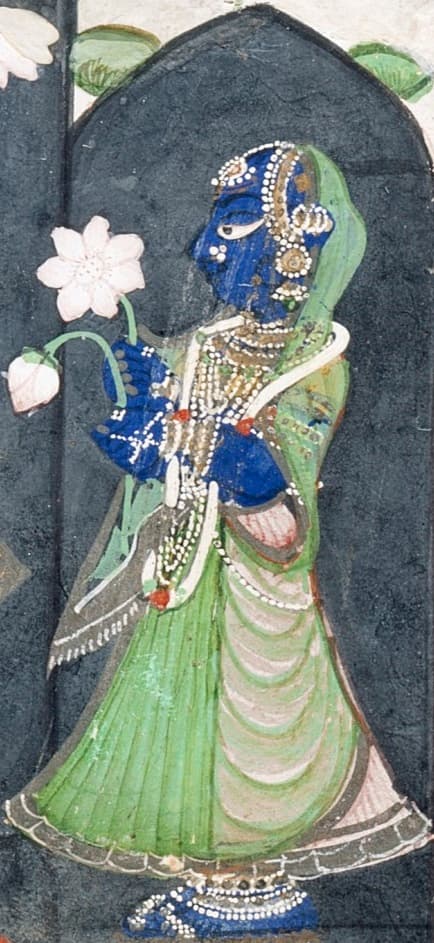
Revati is a goddess in Hindu scriptures, known as the consort of Balarama and the daughter of King Kakudmi. Her myth involves a significant temporal displacement, where she and her father traveled to Brahmaloka, returning to find 27 Chatur-yugas had passed on Earth. She is also associated with mother goddesses, fortune, and prosperity.
Ashtabharya
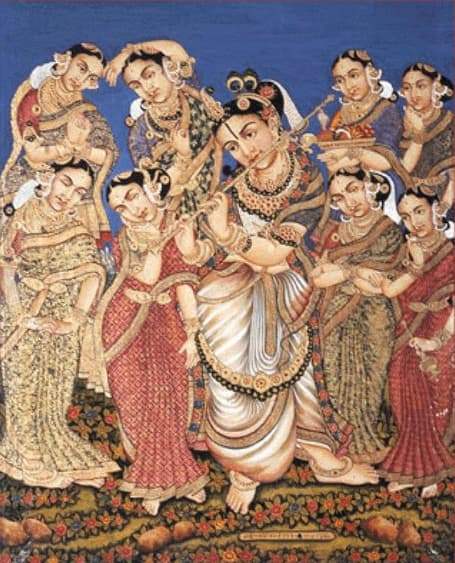
The Ashtabharya are the eight principal queen-consorts of the Hindu deity Krishna, who was the king of Dvaraka. These queens, often princesses, are revered as avatars of the goddess Lakshmi and play significant roles in various Hindu scriptures. They symbolize different aspects of Krishna's sovereignty and are central figures in narratives of his life and divine play.

Gopis
Gopis, also known as Gopikas, are a group of milkmaids from the Braj region of India, revered in Hinduism as devoted consorts of Krishna. They are celebrated in scriptures like the Bhagavata Purana for their unconditional love and devotion (Bhakti) towards Krishna, with Radha being considered the chief among them. The Gopis' devotion and their ecstatic dance with Krishna, known as the Raslila, have significantly inspired art, literature, and performance traditions.