
Keshava
Keshava is an epithet of the Hindu deity Vishnu, signifying either "one who has beautiful long hair" or "the slayer of the Keshi demon." He is venerated to avert bad luck and ill-omens. Keshava is depicted as an iconographical form of Vishnu and is prominently mentioned in key scriptures.
Key Facts
- ›Keshava is an epithet of Vishnu.
- ›The name can mean "one who has beautiful long hair" or "killer of the Keshi demon."
- ›It appears as the 23rd and 648th names in the Vishnu Sahasranama.
- ›Devotees venerate Keshava to avert bad luck or ILL-omens.
- ›Arjuna addresses Krishna as Keshava in the Bhagavad Gita.
- ›Keshava's consort is Kirti, another name for Lakshmi.
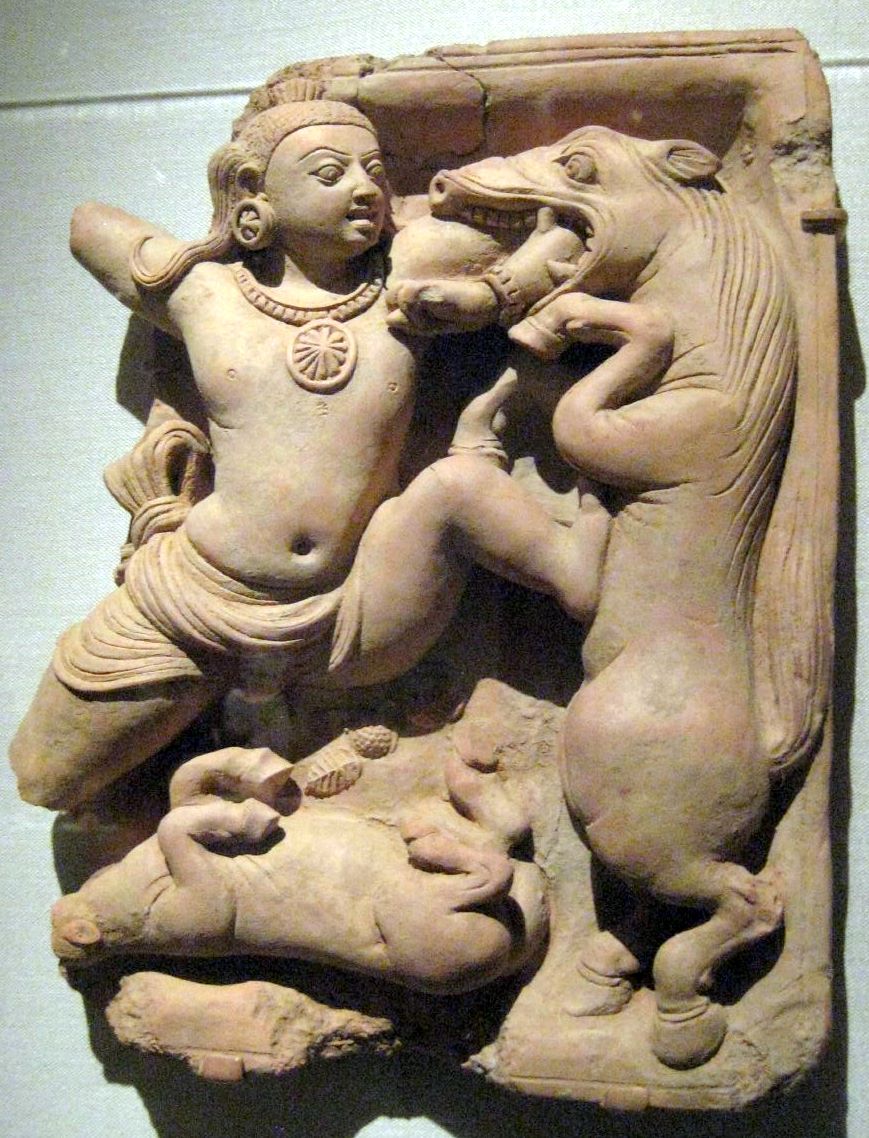
Keśava
Iconographical Form of Vishnu
Vishnu Sahasranama, Mahabharata, Bhagavad Gita, Vishnu Purana, Padma Purana
About Keshava
Keshava is a highly significant epithet of Vishnu, one of the principal deities in Hinduism. The name itself carries dual meanings: "one who has beautiful long hair," possibly referencing the appearance of Krishna, or "the slayer of the Keshi demon," highlighting Vishnu's protective and heroic actions. As an iconographical form of Vishnu, Keshava is widely venerated, particularly by those seeking to ward off misfortune and ill-omens. His consort is Kirti, also known as Lakshmi, the goddess of wealth and prosperity.
Significance and Worship
The name Keshava appears in important scriptural texts, including the Vishnu Sahasranama, where it is listed as the 23rd and 648th name of Vishnu, underscoring his omnipresence and supreme nature. The Vishnu Sahasranama verse, "Just as the rainwater falling on the earth reaches the ocean, in the same way, offerings made to various deities ultimately reach only one God Keshava," emphasizes his ultimate receptiveness to devotion. In the epic Bhagavad Gita, Arjuna addresses Krishna as Keshava multiple times, acknowledging his divine identity, especially in the context of overcoming the demon Keshi. This act of slaying the Keshi demon, a horse-shaped entity sent by Kamsa, is a testament to Keshava's power to vanquish evil.
Etymology and Interpretation
According to the Padma Purana, the name Keshava relates to Krishna's long, beautiful, and seemingly unshorn hair. Further interpretations, as cited from Sangraha Ramayana of Narayana Panditacharya, suggest that 'Ka' symbolizes Brahma and 'Isha' symbolizes Shiva. Thus, Keshava embodies the divine entity that animates both Brahma and Shiva, signifying Vishnu's role as the supreme creator and sustainer.
Literary References
The Bhagavad Gita famously features Arjuna's use of the epithet Keshava. In a moment of profound realization and awe, Arjuna declares, "I am now unable to stand here any longer. I am forgetting myself, and my mind is reeling. I see only causes of misfortune, O Kesava, killer of the Keśī demon." This invocation highlights Keshava's dual nature as both a fierce protector and a source of existential contemplation for the devotee.
Source: Wikipedia ↗
Frequently Asked Questions
What does the name Keshava mean?
The name Keshava has two primary etymological interpretations. It can mean "one who has beautiful long (unshorn) hair," referring to Krishna's appearance. Alternatively, it signifies "killer of the Keshi demon," referring to an episode where Vishnu, in Krishna's form, slew the demon named Keshi.
When is Keshava mentioned in scriptures?
Keshava is mentioned in significant Hindu scriptures. The Vishnu Sahasranama lists Keshava as one of Vishnu's names. In the Bhagavad Gita, Arjuna frequently addresses Krishna as Keshava, particularly when acknowledging his divine power and his role as the slayer of the Keshi demon.
Why do people worship Keshava?
Keshava is worshipped by individuals seeking to avert bad luck or ill-omens. His name and epithets invoke protection and divine favor, making him a figure of solace and spiritual guidance for devotees facing adversity or uncertainty.
Who is Keshava's consort?
Keshava's consort is identified as Kirti, who is also known as Lakshmi. Lakshmi is the goddess of wealth, prosperity, and fortune, and her association with Vishnu signifies divine union and auspiciousness.
What is the significance of the Keshi demon in relation to Keshava?
The demon Keshi was a formidable foe sent by Kamsa to kill Krishna. As Keshava, Vishnu is known for slaying this demon, who attacked in the form of a horse. This act highlights Keshava's power to overcome malevolent forces.
Related Hindu deities

Chandraghanta
Chandraghanta is a powerful form of the Hindu goddess Mahadevi, revered as the destroyer of demons and the protector of her devotees. She is the third of the Navadurga and is prominently worshipped on the third day of Navaratri. Her name, meaning 'adorned with the moon as her bell,' refers to the crescent moon on her forehead, and she is depicted with ten arms holding various weapons and a bell.
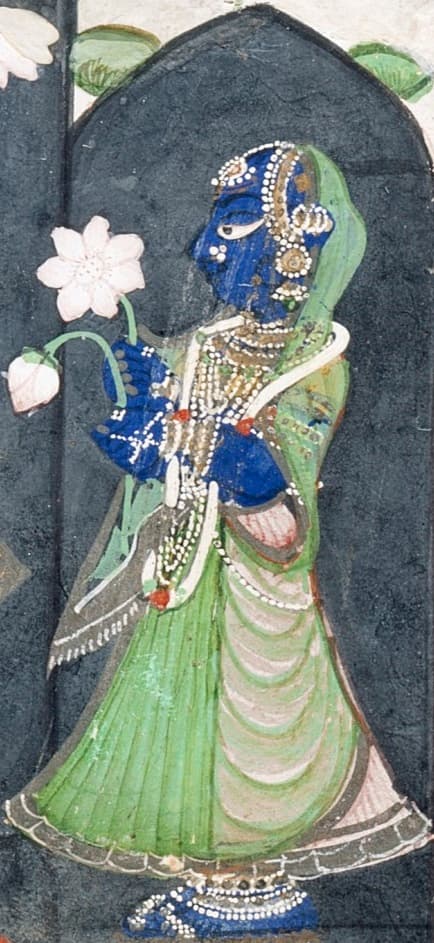
Revati
Revati is a goddess in Hindu scriptures, known as the consort of Balarama and the daughter of King Kakudmi. Her myth involves a significant temporal displacement, where she and her father traveled to Brahmaloka, returning to find 27 Chatur-yugas had passed on Earth. She is also associated with mother goddesses, fortune, and prosperity.

Narsimha
Narasimha, meaning "man-lion," is a prominent avatar of the Hindu god Vishnu, revered as a fierce protector who eradicates evil. He is famously known for safeguarding his devoted son Prahlada and for defeating the tyrannical demon king Hiranyakashipu. Narasimha embodies creative resistance, hope, and victory over adversity, both external and internal.