
Kamalatmika
Kamalatmika, also known as Kamala, is a powerful Tantric goddess representing prosperity and the full, graceful aspect of Lakshmi. She is revered as the tenth and final Mahavidya, a group of ten wisdom goddesses in Shaktism, and is considered the ultimate form of Adi Parashakti. Kamalatmika is depicted as a golden-complexioned deity seated on a lotus, bestowing boons and holding lotuses and rice shoots, symbolizing fertility and divine authority.
Key Facts
- ›Kamalatmika is the Tantric manifestation of the goddess Lakshmi, embodying prosperity.
- ›She is the tenth and final goddess in the Mahavidya pantheon.
- ›Her iconography includes a golden complexion, four hands holding lotuses and rice shoots, and being bathed by elephants.
- ›Elephants symbolize fertility, rain, royal authority, and divinity.
- ›She is depicted as more independent and powerful than the traditional portrayal of Lakshmi, with epithets like 'terrible' and 'darkness'.
- ›Kamalatmika is associated with the Saptamatrikas, specifically Varahi and Vaishnavi.
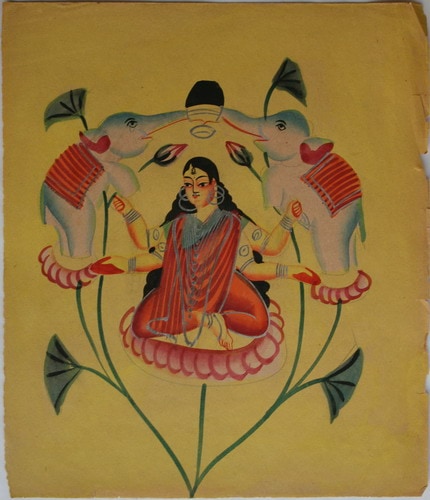
Kamala, Kamalālayā
- Golden Complexion
- Bathed By Four Elephants Pouring Nectar
- Four Hands
- Holds Two Lotuses
- Makes Signs of Granting Boons and Giving Assurance
- Wears A Resplendent Crown and Silken Dress
- Seated On A Lotus In A Lotus Posture
- Smiling Face
- Breasts Decorated With Garlands of Pearls
- Resplendent Like the Rising Sun
- Wears A Bright Moon Disc On Her Brow
- Adorned With A Crown and Necklace of Jewels
- Bent Down Due To the Weight of Her Large Breasts
- Holds Two Bunches of Rice Shoots
- Three Lotus-Like Eyes
- Wears the KausțUbha Gem
Elephant, Lotus
About Kamalatmika
Who is Kamalatmika?
Kamalatmika, also known as Kamala or Kamalālayā, is a significant Tantric goddess in Hinduism, representing prosperity and the fullness of the divine feminine aspect of Lakshmi. She is revered as the tenth and final Mahavidya, a group of ten wisdom goddesses central to Shaktism, and is considered the ultimate form of Adi Parashakti, the primordial cosmic energy.
Iconography and Symbolism
Kamalatmika is depicted with a radiant golden complexion, often shown being bathed by four elephants pouring jars of nectar over her, symbolizing fertility, rain, royal authority, and divinity. In her four hands, she typically holds lotuses and makes gestures of granting boons and offering assurance. She is frequently depicted seated on a lotus in a lotus posture, adorned with regal attire, jewelry, and a crown, and her eyes are often described as lotus-like. The lotus itself signifies her transcendence of the material world while remaining rooted within it.
Role and Significance
While still considered the beloved of Vishnu, Kamalatmika is portrayed as more independent and powerful than the traditional, submissive depiction of Lakshmi. Her epithets, such as Bhima (terrible), Kalaratri (black night), and Tamasi (darkness), suggest a fierce aspect and her ability to combat evil with her own strength, independent of Vishnu's preservation. In her Mahavidya context, she is also associated with the Saptamatrikas, specifically Varahi and Vaishnavi, underscoring her powerful and multifaceted divine nature.
Source: Wikipedia ↗
Frequently Asked Questions
Who is Kamalatmika in Hinduism?
Kamalatmika is a Tantric goddess in Hinduism, considered the embodiment of prosperity and the ultimate form of Lakshmi. She is known for her graceful aspect and is seen as the final Mahavidya, representing the fullness of the divine feminine.
What are the key iconographic features of Kamalatmika?
Kamalatmika is depicted with a golden complexion, often bathed by four elephants pouring nectar. She has four hands, holding lotuses and making gestures of granting boons and assurance. She is frequently shown seated on a lotus in a lotus posture, wearing regal attire and jewelry.
What do the elephants symbolize in Kamalatmika's iconography?
The elephants in Kamalatmika's iconography have dual symbolism. They represent fertility and rain, as they are seen as harbingers of clouds. Additionally, their power signifies royal authority and divinity.
How does Kamalatmika differ from the traditional depiction of Lakshmi?
While both are goddesses of prosperity, Kamalatmika is portrayed as more independent and powerful than Lakshmi's traditional role as a devoted wife. Kamalatmika is depicted as capable of ushering in bliss and prosperity through her own divine powers, with epithets suggesting fierceness.
What is Kamalatmika's significance in the Mahavidya tradition?
Kamalatmika is considered the tenth and final Mahavidya, a group of ten wisdom goddesses in Shaktism. Her presence signifies the culmination of these divine feminine energies and represents the ultimate attainment of prosperity and spiritual realization.
Is Kamalatmika associated with any other forms of the goddess?
Yes, Kamalatmika is identified as the last form of Adi Parashakti, the primordial cosmic energy. She is also associated with two of the Saptamatrikas, namely Varahi and Vaishnavi, who are forms linked to Vishnu.
Related Hindu deities
Bhairavi
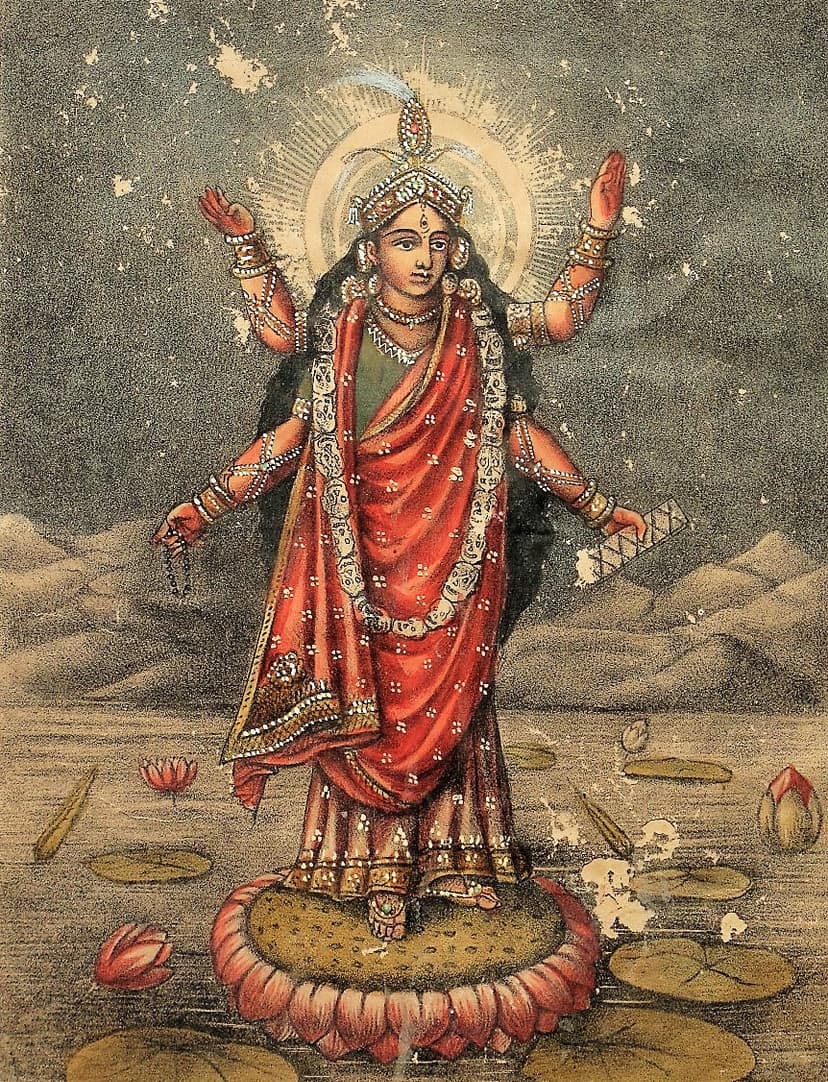
Bhairavi is a significant Hindu goddess, recognized as one of the Mahavidyas, a group of ten powerful aspects of the Divine Mother. She is depicted as the consort of Bhairava, a fearsome manifestation of Shiva, and her name signifies "terrifying" or "awe-inspiring." Despite her formidable appearance, she is also revered as a benevolent mother figure to her devoted followers.
Devi Kanya Kumari
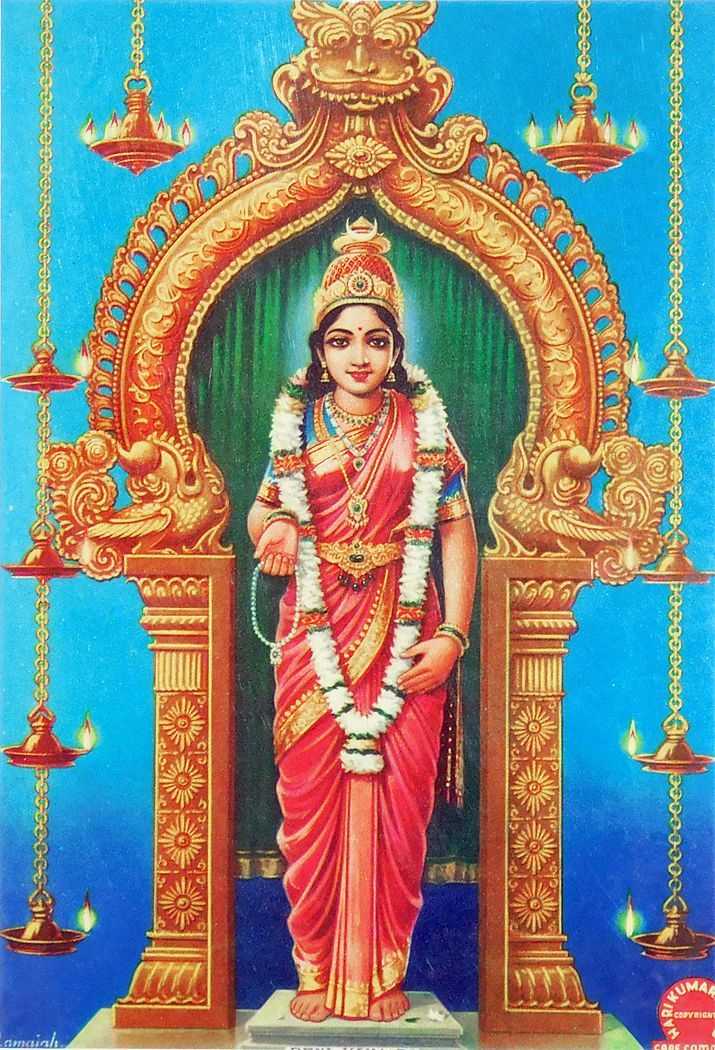
Devi Kanya Kumari is a prominent Hindu goddess, a manifestation of Mahadevi in the form of an adolescent girl. She is revered as a form of Parvati or Lakshmi, and is particularly known for her role in slaying the demon Banasura. Her worship is deeply tied to the town of Kanyakumari at the southernmost tip of India.

Chandraghanta
Chandraghanta is a powerful form of the Hindu goddess Mahadevi, revered as the destroyer of demons and the protector of her devotees. She is the third of the Navadurga and is prominently worshipped on the third day of Navaratri. Her name, meaning 'adorned with the moon as her bell,' refers to the crescent moon on her forehead, and she is depicted with ten arms holding various weapons and a bell.