
Bhairavi
Bhairavi is a significant Hindu goddess, recognized as one of the Mahavidyas, a group of ten powerful aspects of the Divine Mother. She is depicted as the consort of Bhairava, a fearsome manifestation of Shiva, and her name signifies "terrifying" or "awe-inspiring." Despite her formidable appearance, she is also revered as a benevolent mother figure to her devoted followers.
Key Facts
- ›Bhairavi is one of the Mahavidyas, ten wisdom goddesses in Hinduism.
- ›She is the consort of Bhairava, a form of Lord Shiva.
- ›Her name translates to "terrifying" or "awe-inspiring."
- ›She is considered a supreme leader of 64 yoginis, who are her supporting deities.
- ›Bhairavi is also known as Shubhankari, meaning "doer of auspicious deeds."
- ›She can appear both violent to the irreligious and a benign mother to her devotees.
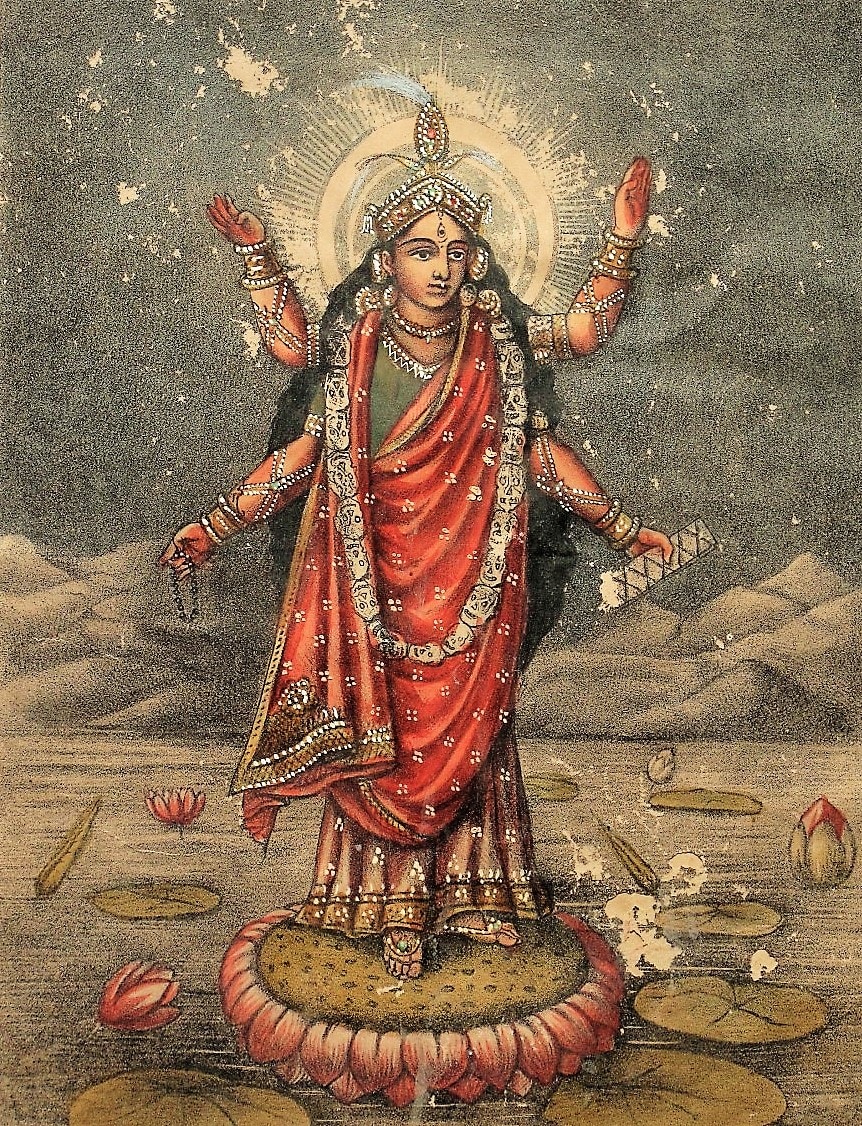
Shubhankari
Red Garments, Garland of Severed Heads Or Skulls, Three Eyes, Crescent Moon On Head, Rosaries, Manuscripts, Trident, Sword, Noose, Bow, Blood Stains On Breasts
Puranas, Tantras, Tantra Shastra
Consort of Bhairava
Trident, Sword, Bow
Goddess, Mother Figure, Tantric Adept
About Bhairavi
Bhairavi is a prominent Hindu goddess, recognized as one of the Mahavidyas, a group of ten powerful wisdom goddesses. Her name itself, derived from Sanskrit, translates to "terrifying" or "awe-inspiring," hinting at her formidable nature. She is traditionally depicted as the consort of Bhairava, a fierce manifestation of Lord Shiva, and is central to Tantric traditions.
Iconography and Symbolism
Bhairavi's iconography is striking and often includes red garments, three eyes, and a crescent moon adorning her head. She is frequently shown wearing a garland of severed heads or skulls, and may hold attributes such as rosaries, manuscripts, a trident, a sword, a noose, or a bow. These visual elements emphasize her fierce aspect, associated with destruction and the overcoming of ego.
Role in Tantra and Devotion
Beyond her terrifying appearance, Bhairavi embodies a dual nature. She is also known as Shubhankari, meaning "doer of auspicious deeds," signifying her role as a benevolent mother to her devoted followers. In Tantric lore, she is considered the supreme leader of 64 yoginis, who are her supporting deities and practitioners of Tantra. While she favors violence and punishment for the irreligious and cruel, she is a nurturing mother to her devotees, embodying both destruction and protection.
Scriptures and Mythology
Bhairavi is mentioned in various Puranas and Tantras, which detail her mythology and rituals. She is a significant figure in the understanding of the Divine Feminine within these traditions, representing power, transformation, and spiritual knowledge.
Source: Wikipedia ↗
Frequently Asked Questions
Who is Bhairavi?
Bhairavi is a Hindu goddess and one of the Mahavidyas, a group of ten powerful wisdom goddesses. She is depicted as the consort of Bhairava, a form of Lord Shiva.
What does the name Bhairavi mean?
The name Bhairavi means "terrifying" or "awe-inspiring." This reflects her dual nature as a fearsome deity and a benevolent mother.
What is Bhairavi's iconography?
Bhairavi is often depicted wearing red garments, with three eyes, and a crescent moon adorning her head. She may wear a garland of severed heads or skulls and can be shown holding various implements such as rosaries, manuscripts, a trident, or a sword.
What is Bhairavi's relationship with yoginis?
Bhairavi is considered the supreme leader of 64 yoginis, who are female supporting deities and students of Tantra. She has succeeded in Tantra with their help.
What is Bhairavi's other name and its meaning?
Bhairavi is also called Shubhankari, which means she is the doer of auspicious deeds for her devotees who are considered her children. She embodies a motherly aspect towards them.
How does Bhairavi relate to those who are irreligious?
Bhairavi favors violence, punishment, and bloodshed towards those who are irreligious and cruel. To them, she is seen as violent and terrible, representing the mother of all violence.
Related Hindu deities

Narmada
The Narmada River, also known as Narbada or Nerbudda, is the fifth longest river in India and the longest west-flowing river. It is considered a goddess and a mother figure in Hinduism, revered for its sacredness and the banalinga pebbles found in its bed. The river originates from the Amarkantak Plateau and flows through Madhya Pradesh and Gujarat, forming a traditional boundary between North and South India.
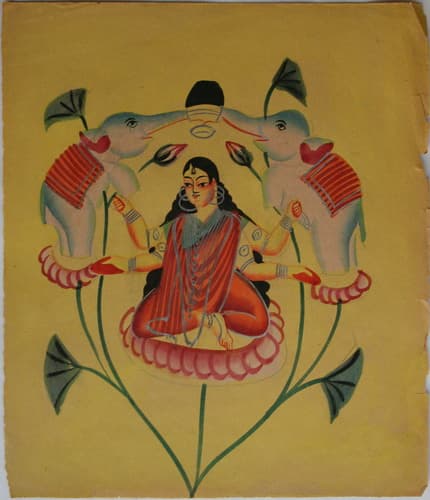
Kamalatmika
Kamalatmika, also known as Kamala, is a powerful Tantric goddess representing prosperity and the full, graceful aspect of Lakshmi. She is revered as the tenth and final Mahavidya, a group of ten wisdom goddesses in Shaktism, and is considered the ultimate form of Adi Parashakti. Kamalatmika is depicted as a golden-complexioned deity seated on a lotus, bestowing boons and holding lotuses and rice shoots, symbolizing fertility and divine authority.
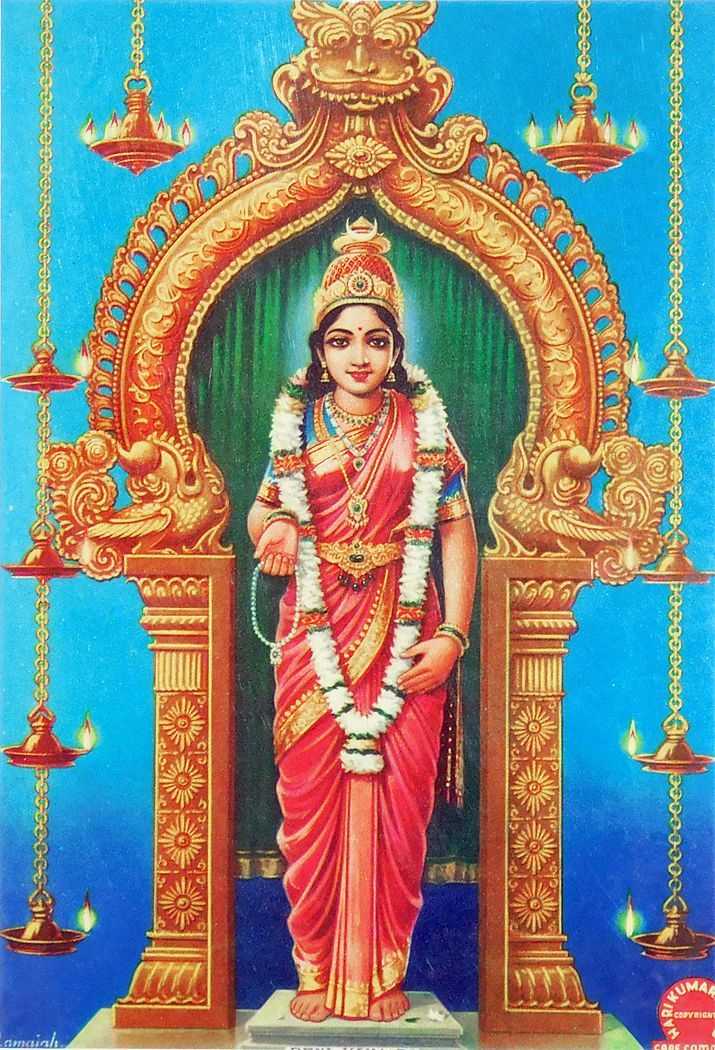
Devi Kanya Kumari
Devi Kanya Kumari is a prominent Hindu goddess, a manifestation of Mahadevi in the form of an adolescent girl. She is revered as a form of Parvati or Lakshmi, and is particularly known for her role in slaying the demon Banasura. Her worship is deeply tied to the town of Kanyakumari at the southernmost tip of India.