
Leyak
The Leyak is a fearsome mythological figure from Balinese folklore, depicted as a flying head with detached entrails. These beings are human practitioners of black magic who seek out pregnant women to feed on their babies or newborns. Leyak are notable for their cannibalistic tendencies and their association with the powerful witch Rangda, their supposed mistress.
Key Facts
- ›Leyak are mythological figures from Balinese folklore.
- ›They are depicted as flying heads with entrails (heart, lungs, liver) still attached.
- ›Leyak practice black magic and have cannibalistic behavior, feeding on pregnant women and newborns.
- ›They are followers of Rangda, a widow-witch known as the 'queen of Leyak'.
- ›Leyak can transform into animals like pigs and haunt graveyards, feeding on corpses.
- ›In their normal form, they have unusually long tongues and large fangs; at night, their head and entrails separate from their body.
Cannibalism, Black Magic, Harm To Pregnant Women and Newborns, Haunting Graveyards
Black Magic, Cannibalism, Transformation Into Animals, Flight, Detaching Head and Entrails From Body
Balinese Folklore
Rangda
Black Magic, Cannibalism, Fear of Witchcraft
- Rangda's Mask Is Kept In the Village Death Temple and Paraded During Temple Festivals.
- Similar Creatures Exist In Southeast Asian Folklore, Such As Krasue , Manananggal , and Penanggalan .
Flying Head, Entrails, Long Tongue, Fangs, Animal Forms
About Leyak
What is known about the Leyak
The Leyak is a prominent figure in the folklore of Bali, Indonesia. It is described as a terrifying mythological being that takes the form of a flying head, with its internal organs such as the heart, lungs, and liver still attached. These entities are said to be humans who practice black magic and engage in cannibalistic behavior, particularly targeting pregnant women to feed on their babies or newborn children.
Description and Behavior
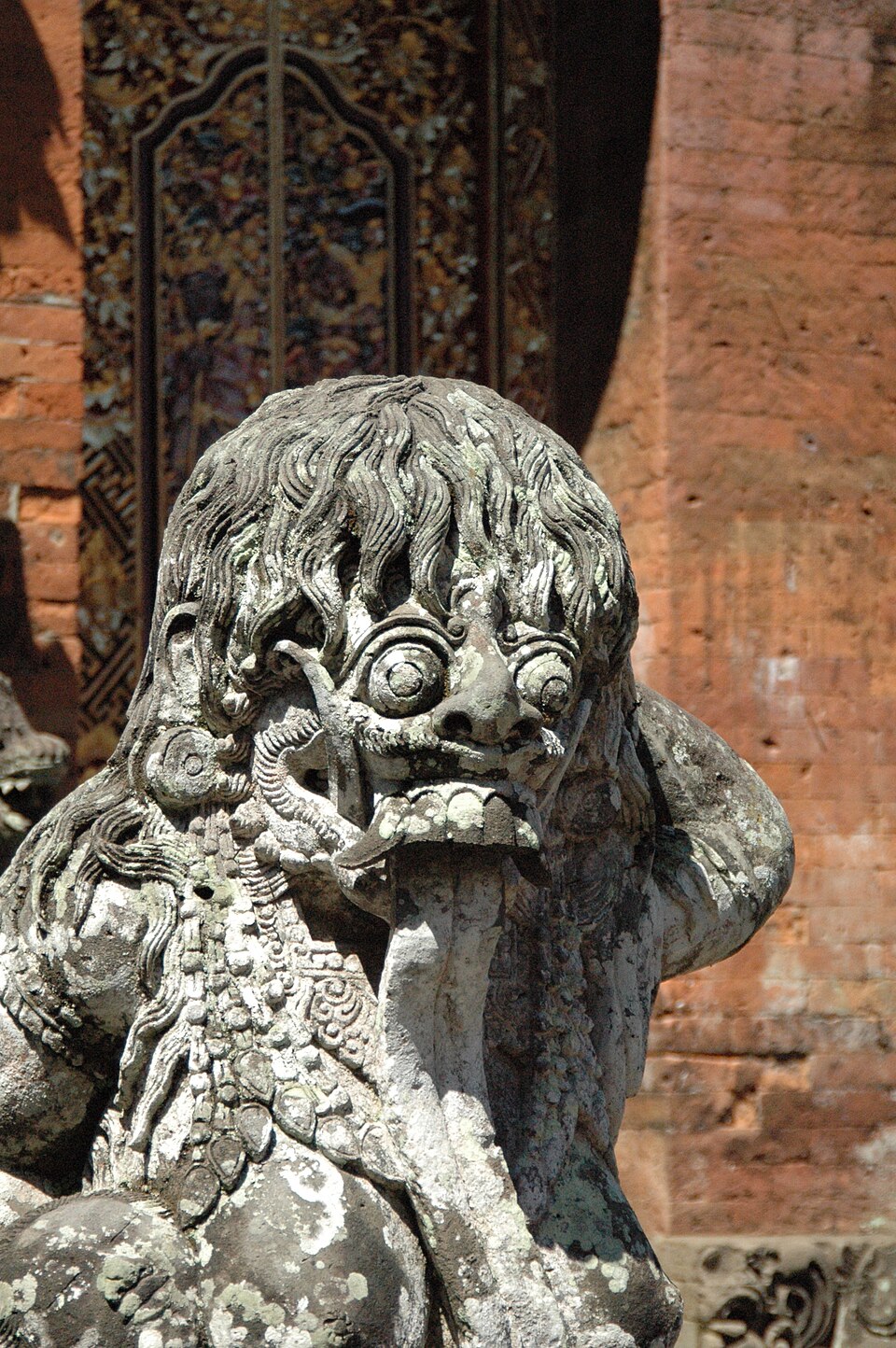
Leyak are believed to be followers of Rangda, a powerful widow-witch often referred to as the 'queen of Leyak'. In their natural form, Leyak are characterized by unusually long tongues and large fangs. While they may appear as ordinary humans during the day, at night their heads and entrails are said to detach from their bodies and fly. They are also known to haunt graveyards and feed on corpses, with the ability to transform into animals like pigs. Statues depicting a Leyak's head with its distinctive long tongue and sharp fangs are sometimes used as decorative items in Balinese homes.
Cultural Significance and Beliefs
In Balinese society, Leyak are sometimes blamed for causing illnesses and deaths. When such incidents occur, a balian, or traditional Balinese healer, may conduct a séance to identify the witch responsible. The spirit of the deceased might then indicate their attacker. Despite confirming suspicions of witchcraft, healers generally counsel against seeking personal revenge and advise that actions be left to the spirits themselves, thereby discouraging direct retaliation against those accused of practicing such dark arts.
Source: Wikipedia ↗
Frequently Asked Questions
What is a Leyak?
A Leyak is a mythological figure from Balinese folklore, known as a flying head with detached entrails. They are practitioners of black magic with cannibalistic habits, often targeting pregnant women and newborns.
What do Leyak look like?
Leyak are typically described as flying heads with their internal organs still attached. They possess unusually long tongues and large fangs. In daylight, they can appear as ordinary humans, but at night their head and entrails detach from their body.
Who is associated with Leyak?
Leyak are associated with Rangda, a powerful widow-witch who is considered their mistress or the 'queen of Leyak'. Demons are also said to be followers of Rangda.
What do Leyak eat?
Leyak are said to feed on corpses in graveyards. Their primary predatory behavior involves seeking out pregnant women to suck out the blood of their babies or to feed on newborn children.
How do Balinese people deal with Leyak?
Balinese people sometimes attribute illnesses or deaths to Leyak. Traditional healers, known as balians, may conduct séances to identify the responsible witch. However, vengeance is discouraged, with advice to leave such actions to the spirits.
Are there similar creatures in other mythologies?
Similar mythological beings include the Krasue in Southeast Asian folklore, the Manananggal in Philippine folklore, and the Penanggalan in Malay ghost myths. The Iroquois and Wyandot mythologies feature a spirit called a Flying Head.
Related Demons
Aswang
The Aswang is a broad category of malevolent, shape-shifting creatures in Filipino folklore, encompassing beings akin to vampires, ghouls, witches, and human-beast hybrids. These entities are deeply ingrained in Philippine mythology and are notorious for their predatory nature, often targeting vulnerable individuals and even fetuses. The Aswang is particularly feared for its ability to infiltrate human society and its behavior, which is seen as a stark inversion of traditional Filipino values.

Imp
An imp is a European mythological being, often depicted as a mischievous and troublesome lesser demon or fairy. While not always inherently evil, imps are known for their pranks, which can range from amusing to harmful, and they are sometimes described as attendants to the devil. Their association with witches as familiar spirits and their presence in various folklore and literary works make them notable figures in supernatural lore.
Incubus
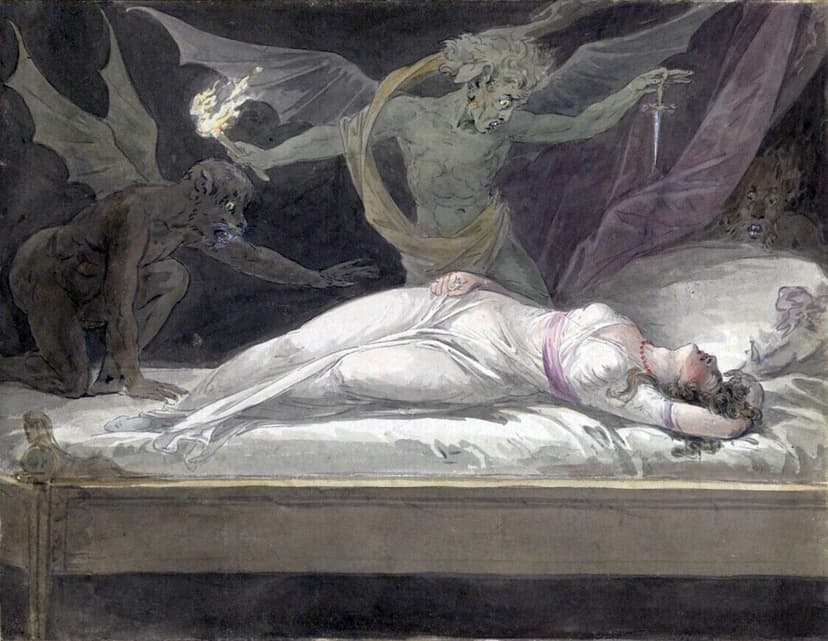
An incubus is a male demon from folklore, primarily European, that appears in the dreams of women to seduce them, leading to sexual activity and potentially the birth of a hybrid child. These encounters are believed to cause the woman's health to deteriorate and can ultimately lead to her death. Historically, the concept of the incubus is thought to have arisen from phenomena such as sleep paralysis and vivid dreams.