
Imp
An imp is a European mythological being, often depicted as a mischievous and troublesome lesser demon or fairy. While not always inherently evil, imps are known for their pranks, which can range from amusing to harmful, and they are sometimes described as attendants to the devil. Their association with witches as familiar spirits and their presence in various folklore and literary works make them notable figures in supernatural lore.
Key Facts
- ›Imps are European mythological beings, often described as similar to fairies or lesser demons.
- ›Historically, the term 'imp' derived from Old English 'impa,' meaning a young shoot or scion, evolving to mean a small demon or familiar.
- ›Imps are typically characterized as troublesome and mischievous rather than seriously dangerous, and are often depicted as small and lively.
- ›In some legends, imps are attendants of the devil or witches, serving as spies and informants.
- ›The Lincoln Imp is a notable architectural depiction of an imp, said to be a petrified being trapped in Lincoln Cathedral.
- ›Imps have been portrayed as seeking human attention through pranks, and in some tales, could be contained in objects and grant wishes.

Mischief, Trouble, Pranks
Granting Wishes, Causing Mischief and Pranks, Misleading People, Spying and Informing
the Bottle Imp
Devil, Witches, Warlocks, Angels
Mischief, Trouble, Pranks, Malice
Angels, Wards
About Imp
The Imp: A Mischievous Figure of Folklore
An imp is a mythological being originating from European folklore, often described as a small, mischievous fairy or a lesser demon. While not always inherently evil, imps are frequently depicted as troublesome and prone to playing pranks, which can range from harmless fun to actions that are upsetting or harmful. Their lively nature and small stature are common characteristics attributed to them.
Etymology and Evolution
The term 'imp' has roots in Old English, where 'impa' originally referred to a young shoot or scion of a tree. Over time, its meaning broadened to include a child or a young noble. By the 16th century, the term began to be used in expressions like 'imp of hell' or 'imp of the devil,' and by the 17th century, it solidified its meaning as a small demon or a familiar spirit.
Roles and Associations
In various traditions, imps are sometimes depicted as attendants to the devil or as familiar spirits serving witches and warlocks, acting as spies and informants. Unlike the strict dichotomy of good and evil often found in later Christian demonology, imps in older Germanic legends were not necessarily always malevolent. They were often seen as mischievous beings, sharing traits with fairies in their free spirit and enjoyment of pranks. However, as history progressed, imps became more predominantly associated with malice and evil.
Notable Depictions and Lore
A well-known example of an imp in folklore is the Lincoln Imp, a legendary figure associated with Lincoln Cathedral. According to the legend, the devil, angered by the cathedral's completion, visited with two imps who caused havoc within the building. One imp was turned to stone by an angel's command and remains petrified within the cathedral. Imps have also been portrayed in literature, such as in Robert Louis Stevenson's "The Bottle Imp," where an imp contained within a bottle grants wishes but leads to damnation if not passed on. These beings are often depicted as seeking human attention, using their pranks as a way to interact, though this often backfired. Some lore suggests imps can be bound to objects and summoned when needed, with certain abilities, including wish-granting.
Cultural Presence
Imps continue to be a recurring motif in art, architecture, and popular culture, appearing in stories, films, and games, often embodying the spirit of playful, albeit sometimes dark, trickery.
Source: Wikipedia ↗
Frequently Asked Questions
What is an imp?
An imp is a mythological being from European folklore, often described as a small, mischievous fairy or a lesser demon. They are typically characterized by their troublesome nature and lively disposition, rather than being seriously threatening.
What is the origin of the word 'imp'?
The word 'imp' likely derives from the Old English word 'impa,' which originally meant a young shoot or scion of a tree. Over time, its meaning evolved to refer to a child or a young noble, and by the 17th century, it came to signify a small demon or a witch's familiar.
Are imps always evil?
Not necessarily. While often associated with demonic entities, imps in Germanic legends were not always considered evil, and were frequently depicted as mischievous rather than harmful. Their association with evil became more pronounced later in history.
What kind of pranks do imps play?
Imps are known for their fondness for pranks and misleading people. These could range from harmless fun to more upsetting actions, such as switching babies or leading travelers astray. Some imps also played pranks on their friends out of boredom or inherent nature.
Can imps be harmed or defeated?
Although often thought of as immortal, imps can be damaged or harmed by certain weapons and enchantments. They can also be kept out of homes by wards.
Where can imps be found in folklore and literature?
Imps appear in various forms of folklore and have been depicted in art and architecture, such as the Lincoln Imp. They are also featured in literary works, including Robert Louis Stevenson's 'The Bottle Imp,' and have been referenced in numerous other stories and films.
Related Demons

Succubus
A succubus is a female demon from European folklore, known for appearing in the dreams of men to seduce them. These interactions can lead to the birth of a hybrid child, a cambion, but at the cost of the man's deteriorating health and eventual death. Modern interpretations often portray succubi as beautiful seductresses rather than frightening figures.
Revenant
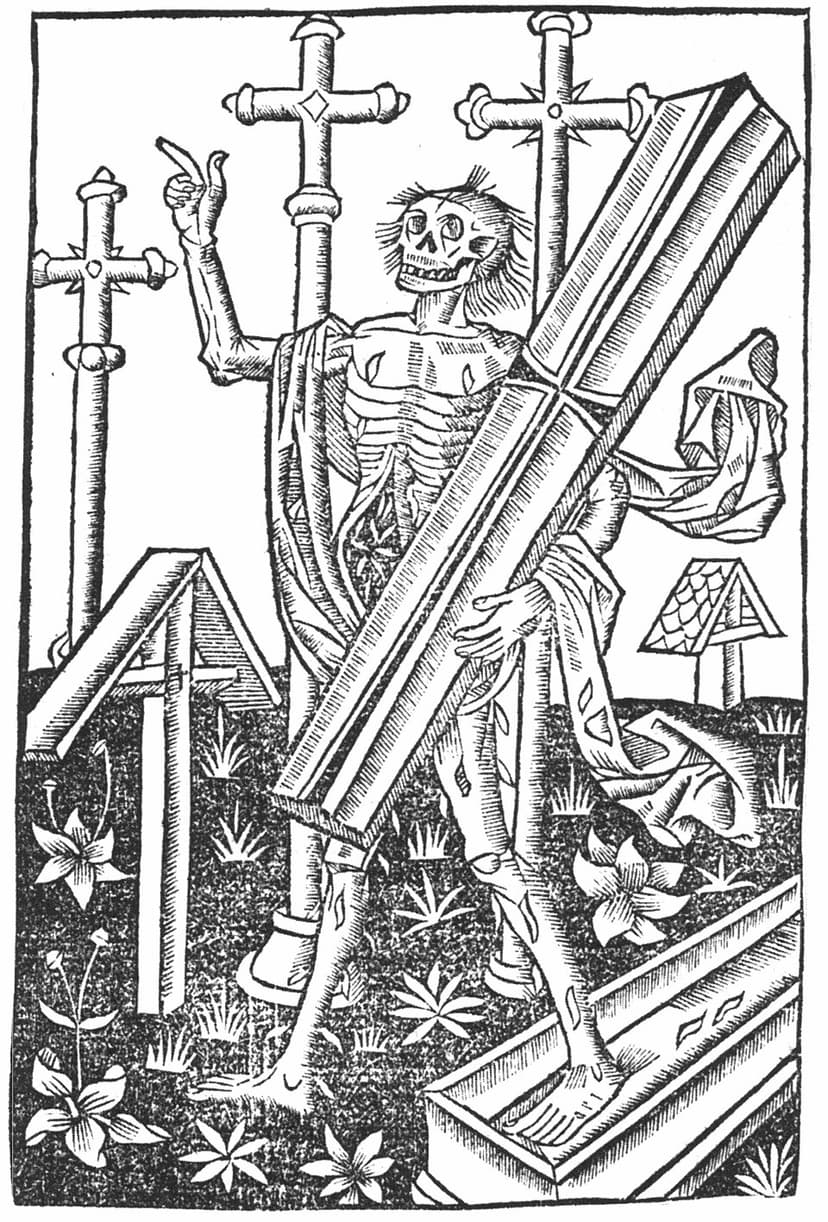
A revenant is a spirit or animated corpse believed to have returned from death to haunt the living, originating in European folklore. These beings are often associated with causing harm or fear, and historical accounts describe various methods employed to prevent them from rising, such as specific burial practices. The concept of the revenant has been explored in medieval chronicles and continues to appear in modern literature and popular culture.
Cambion
A cambion is a being in European mythology and literature born from the union of a human and a demon, typically an incubus or succubus. Initially, the term was used interchangeably with 'changeling,' referring to a demon or fairy child substituted for a human infant. Later definitions and popular culture portrayals often depict cambions as hybrids of human and demon parentage, with notable examples appearing in folklore, demonological texts, and modern fantasy media.