
Cambion
European Mythology and Folklore·Mythology and Folklore·Europe·Hybrid (Human-Demon)
A cambion is a being in European mythology and literature born from the union of a human and a demon, typically an incubus or succubus. Initially, the term was used interchangeably with 'changeling,' referring to a demon or fairy child substituted for a human infant. Later definitions and popular culture portrayals often depict cambions as hybrids of human and demon parentage, with notable examples appearing in folklore, demonological texts, and modern fantasy media.
Key Facts
- ›A cambion is defined as the offspring of a human and a demon, most commonly an incubus or succubus.
- ›Early uses of the term 'cambion' in the 13th century equated it with 'changeling,' a fairy or demon child swapped for a human baby.
- ›William of Auvergne, in the 13th century, described cambions as the 'sons of incubi demons' who were insatiable infants.
- ›The Dictionnaire Infernal from the early 19th century defined cambions as hideous children born from the union of incubus and succubus demons.
- ›Since the 19th century, 'cambion' has also referred to the offspring of a human and an incubus or succubus.
- ›Notable fictional characters identified as cambions include Hellboy, Raven, and the protagonists of Devil may Cry.
Changeling, Campsores, Wechselkind
Deception, Temptation
Supernatural Strength, Resilience
De Universo, Dictionnaire Infernal, Malleus Maleficarum, Toilers of the Sea, Monster Manual Ii, the Shadowhunter Chronicles, the Infernal Devices, Devil May Cry, Kpop Demon Hunters, Ultimate Exorcist Kiyoshi
Incubus, Succubus, Azzael, Trigon, Asmodeus, Belial, Sparda
Deception, Unnatural Union, the 'Other'
- William of Auvergne Noted That Cambions, As Changelings, Constantly Wailed For Milk and Required Large Amounts of Nourishment.
- Early European Folklore Used 'Cambion' Interchangeably With 'Changeling,' A Fairy Or Demon Child Substituted For A Human Infant.
About Cambion
What is a Cambion?
A cambion is a figure in European mythology and literature, primarily known as the offspring resulting from a sexual union between a human and a demon. These unions typically involve an incubus (a male demon who seduces women in their sleep) or a succubus (a female demon who seduces men in their sleep).
Origins and Evolution of the Concept
The term 'cambion' has roots in Late Latin, related to the concept of exchange. In its earliest documented appearances, notably in the 13th-century work De Universo by William of Auvergne, the word was used synonymously with 'changeling.' This referred to a child of fairies or demons who had been substituted for a human infant, often described as constantly demanding nourishment and insatiable. This interpretation became a common scholastic explanation for unexplained infant behavior or misfortune throughout the Middle Ages.
The Dictionnaire Infernal, first published in the early 19th century, further elaborated on the demonological aspect, suggesting that incubus and succubus demons could themselves reproduce, creating hideous offspring known as cambions. Later, particularly since the 19th century, the definition expanded to encompass the hybrid offspring of a demon and a human parent. This broader understanding is reflected in literary works such as Victor Hugo's Toilers of the Sea.
Demonological Debates and Reproduction
Despite the prevalence of the cambion concept, demonological texts like the Malleus Maleficarum (15th century) debated the possibility of demons reproducing. This influential text argued that demons, lacking living bodies and souls, could not procreate in the human sense. However, it proposed a complex method for cambion creation: a succubus would acquire human semen from sexual contact, pass it to an incubus for corruption, and the incubus would then impregnate a human female. This intricate process allowed for the existence of cambions within the framework of demonological beliefs that denied direct demonic reproduction.
Cambions in Modern Culture
The concept of the cambion has found fertile ground in modern popular culture, particularly in fantasy and role-playing games. Characters like Hellboy (son of the demon Azzael and a human woman), Raven from DC Comics (daughter of the demon Trigon and a human), and the protagonists Dante and Vergil from the Devil May Cry series are prominent examples of cambions. These portrayals often explore the internal conflict and unique abilities that arise from such mixed parentage.
Source: Wikipedia ↗
Frequently Asked Questions
What is a cambion?
A cambion is a supernatural being in European mythology and literature, typically defined as the child of a human and a demon, often an incubus or succubus. The term's meaning has evolved over time.
What is the origin of the word 'cambion'?
The word 'cambion' derives from the Late Latin 'cambiare,' meaning 'to exchange,' and ultimately from a Celtic root related to exchange or crookedness. Its earliest known uses linked it to the concept of changelings.
How was a cambion believed to be conceived?
While early texts focused on changelings, later demonological discussions proposed a complex method: a succubus would obtain human semen, pass it to an incubus to corrupt, and the incubus would then impregnate a human female. Some sources also describe direct unions between incubi/succubi and humans.
Are there famous examples of cambions in literature or media?
Yes, the concept of cambions features prominently in modern popular culture. Famous examples include Hellboy, DC Comics' Raven, and the characters Dante and Vergil from the Devil May Cry video game series.
Related Demons
Stihi
Stihi is a female demon prominent in Albanian mythology and folklore, often depicted as a fire-breathing dragon guarding treasure. She is associated with storms and is conceptually similar to the kulshedra, another formidable being in Albanian tradition. Her name is etymologically linked to the Greek word for 'element' or 'spirit'.

Imp
An imp is a European mythological being, often depicted as a mischievous and troublesome lesser demon or fairy. While not always inherently evil, imps are known for their pranks, which can range from amusing to harmful, and they are sometimes described as attendants to the devil. Their association with witches as familiar spirits and their presence in various folklore and literary works make them notable figures in supernatural lore.
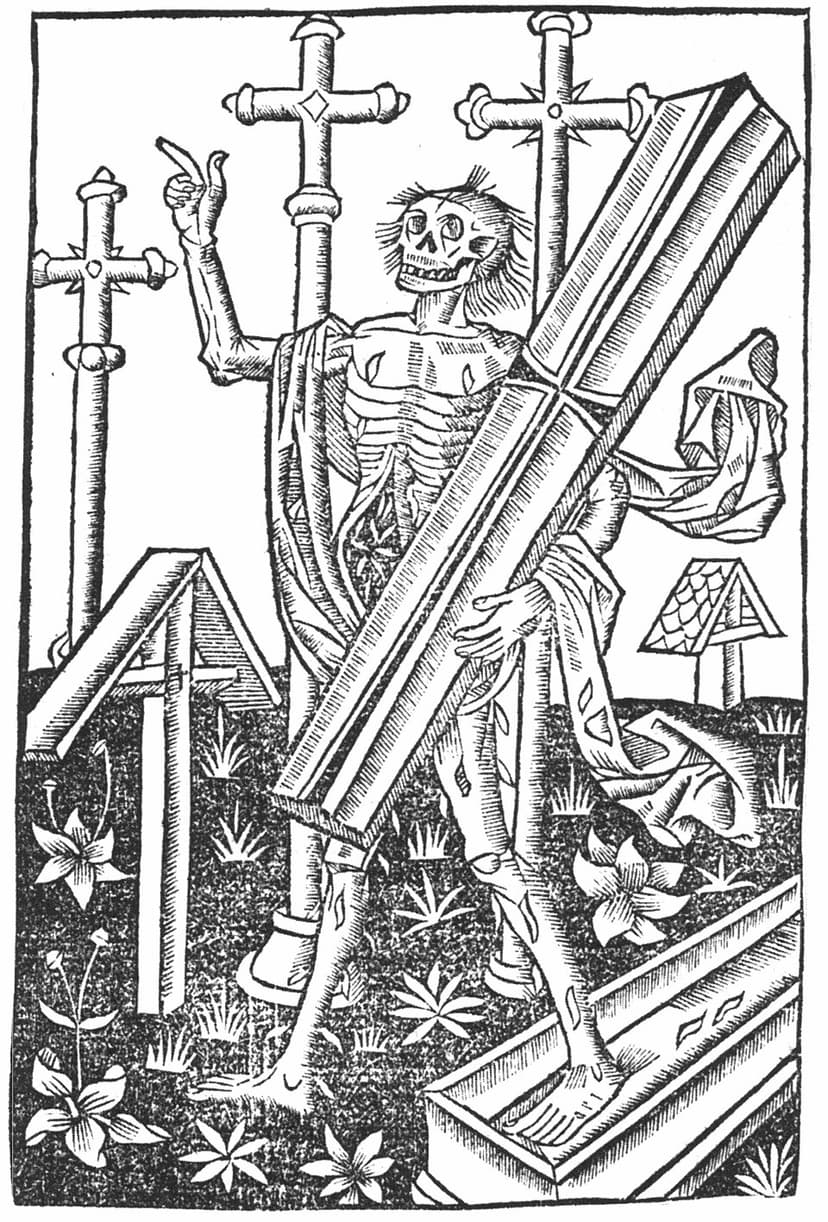
Revenant
A revenant is a spirit or animated corpse believed to have returned from death to haunt the living, originating in European folklore. These beings are often associated with causing harm or fear, and historical accounts describe various methods employed to prevent them from rising, such as specific burial practices. The concept of the revenant has been explored in medieval chronicles and continues to appear in modern literature and popular culture.