
Revenant
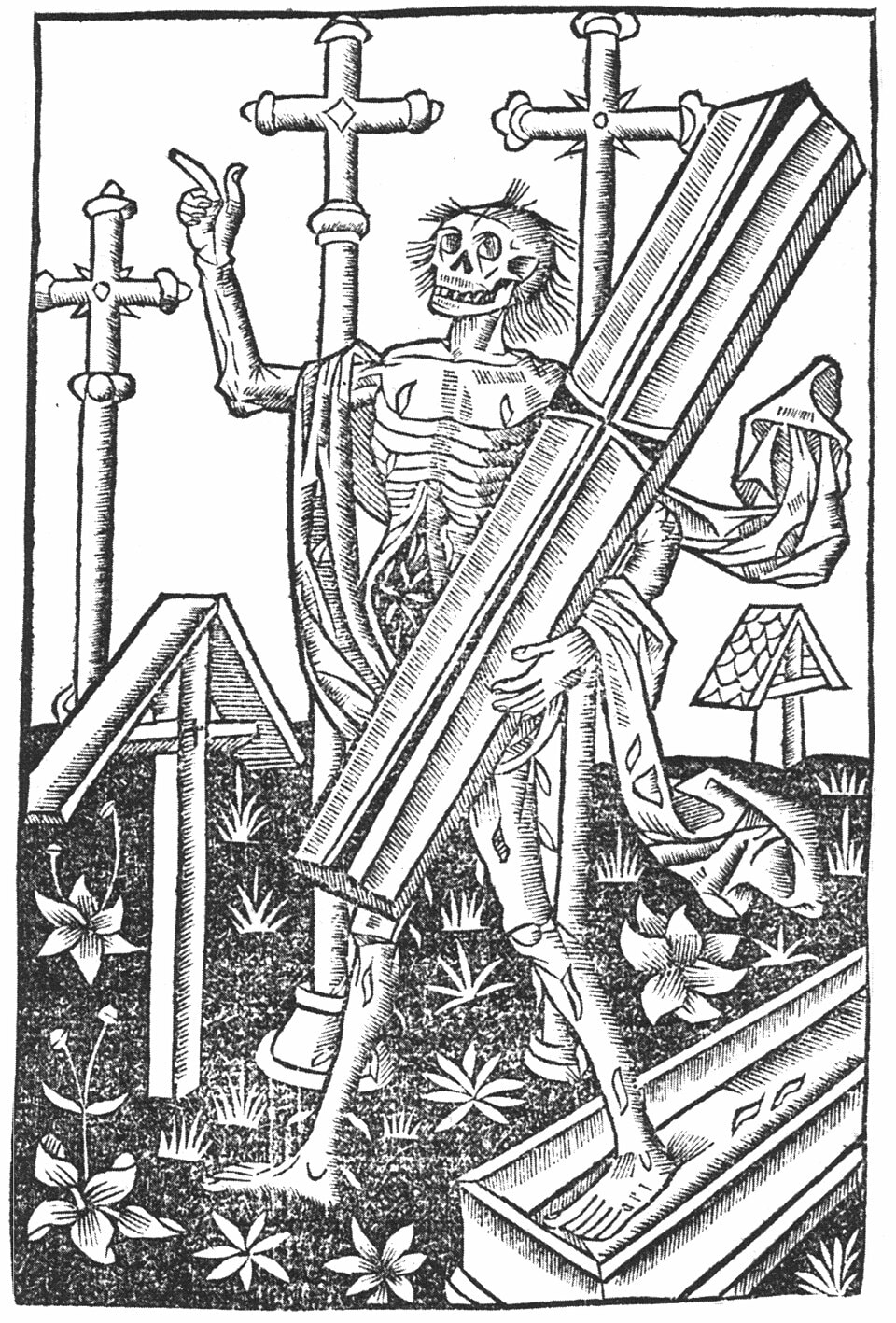
A revenant is a spirit or animated corpse believed to have returned from death to haunt the living, originating in European folklore. These beings are often associated with causing harm or fear, and historical accounts describe various methods employed to prevent them from rising, such as specific burial practices. The concept of the revenant has been explored in medieval chronicles and continues to appear in modern literature and popular culture.
Key Facts
- ›The term 'revenant' is derived from the Old French word for 'returning'.
- ›Revenant graves, found across Europe and dating back to the Bronze Age, often show signs of precautions taken to prevent the deceased from rising.
- ›Medieval chroniclers like William of Newburgh and Walter Map documented stories of revenant visitations.
- ›In Norse mythology, related beings include the aptrgangr, haugbui, and draugr.
- ›Revenant-like beings are also found in Caribbean and Brazilian folklore.
- ›The concept of revenants is distinct from, but sometimes conflated with, ghosts and vampires.
Aptrgangr, AptrgǫNgur, Haugbui, HaugbúAr, Draugr, Draugar, Gjenganger, WiedergäNger
Fear, Terror, Destruction of the Living, Sickness
Wandering From Graves, Causing Terror, Inflicting Harm and Death, Appearing In Various Forms, Speaking To the Living, Resisting Conventional Weapons
- Historia By William of Newburgh
- Works By Walter Map
- Traité Sur Les Apparitions Des Esprits Et Sur Les Vampires Ou Les Revenans De Hongrie, De Moravie, &C. By Augustin Calmet
- Norse Literature and Mythology
Satan, Bishop of Lincoln, Bishop Gilbert Foliot
Consequences of Evil Conduct, Punishment For Wrongdoings, Restless Spirits, the Fear of Death and the Unknown
- Archaeological Findings of Revenant Graves Suggest Precautions Like Stones Placed Over Legs Or In the Jaw.
- Historical Accounts Describe Exhuming Bodies, Decapitating Them, and Removing Their Hearts To End Their Haunting.
- In Some Traditions, Burning the Corpse Was Employed, Especially For Vampire-Like Revenants.
- Christian Rites, Such As Baptism, Are Mentioned As Ways To Lay Restless Spirits To Rest.
- A Bishop's Letter of Absolution Was Used To Calm A Revenant In One Account.
Dogs, Bishop of Lincoln, Holy Water, Spade
Nordic Aptrgangr, Haugbui, and Draugr., Finnish 'Dead-Child Beings'., Caribbean 'Soucouyant' ., Brazilian 'Corpo Seco' Or 'Dry Body'.
Coffins, Stones, Bricks, Spades
About Revenant
A revenant is a figure from folklore, described as a spirit or an animated corpse that has returned from the dead to haunt the living. The term itself originates from the Old French word 'revenant,' meaning 'returning,' reflecting the core concept of a being that comes back from beyond the grave.
Origins and Traditions
Revenant legends are found across various European cultures, with notable attestations in Celtic and Norse mythology. During the Middle Ages, stories of supposed revenant visitations were documented by English historians, indicating widespread belief in such phenomena. Archaeological evidence supports the antiquity of these beliefs, with 'revenant graves' discovered throughout Europe, dating back as far as the Bronze Age. These graves are characterized by unusual burial practices designed to prevent the deceased from rising, such as stones placed on the body or parts of the body removed.
Characteristics and Folklore
Revenants are typically depicted as malevolent beings that cause terror and destruction to the living. Medieval chronicles, such as William of Newburgh's 'Historia' and the writings of Walter Map, recount specific instances of revenants emerging from their tombs to wander the land, disturb communities, and even cause sickness and death. These accounts often describe the revenant's appearance as swollen and gruesome, sometimes even appearing in animalistic forms like bears or dogs. In Norse traditions, related beings include the aptrgangr ('again-walker'), haugbui ('howe-dweller'), and draugr, often conceived as corporeal and formidable.
Distinctions and Variations
While the term 'revenant' has sometimes been used interchangeably with 'ghost,' it distinctively refers to a reanimated corpse. Comparisons have also been drawn to vampires, with some scholars suggesting distinct origins in Western European folklore for revenants and Eastern European for vampires, though many view 'revenant' as a broader term for the undead. Augustin Calmet's extensive research in the 18th century explored these connections. Beyond Western Europe, revenant-like beings appear in other traditions, such as the 'soucouyant' in Caribbean folklore and 'Corpo Seco' in Brazilian folklore.
Modern Relevance
The concept of the revenant has endured and remains prominent in contemporary popular culture. It features in literature, film, and particularly video games, where revenants are often depicted as undead entities or character archetypes. The enduring appeal of the revenant lies in its embodiment of the primal fear of death and the unknown, and the unsettling idea that the dead might not stay buried.
Source: Wikipedia ↗
Frequently Asked Questions
What is a revenant?
A revenant is a spirit or animated corpse that is believed to have been resurrected to haunt the living. The name comes from the Old French word 'revenant,' meaning 'returning'.
Where do revenant legends come from?
Revenants are part of the legends of various cultures, including Celtic and Norse mythology, and stories of their visitations were documented by English historians in the Middle Ages. They are particularly associated with European folklore.
What are some historical accounts of revenants?
Medieval chroniclers like William of Newburgh documented stories of revenants, describing them as corpses that would leave their graves to terrorize the living. These accounts often detail specific incidents and the measures taken to stop them.
Are there special burial practices associated with revenants?
Yes, archaeologists have found 'revenant graves' characterized by precautions taken to prevent the deceased from rising. These included placing stones over legs, in the jaw, or using bricks, and sometimes removing body parts.
How are revenants different from ghosts or vampires?
While the term 'revenant' has been used interchangeably with 'ghost' by some folklorists, it generally refers to an animated corpse. Some traditions distinguish revenants from vampires, with revenants often seen as a more generic term for the undead, particularly in Western European folklore.
Do revenants appear in modern popular culture?
Yes, revenants feature prominently in modern popular culture, appearing in literature, television series like 'American Gods,' and numerous video games, often as resurrected beings or forms of the undead.
Related Demons

Imp
An imp is a European mythological being, often depicted as a mischievous and troublesome lesser demon or fairy. While not always inherently evil, imps are known for their pranks, which can range from amusing to harmful, and they are sometimes described as attendants to the devil. Their association with witches as familiar spirits and their presence in various folklore and literary works make them notable figures in supernatural lore.

Succubus
A succubus is a female demon from European folklore, known for appearing in the dreams of men to seduce them. These interactions can lead to the birth of a hybrid child, a cambion, but at the cost of the man's deteriorating health and eventual death. Modern interpretations often portray succubi as beautiful seductresses rather than frightening figures.
Cambion
A cambion is a being in European mythology and literature born from the union of a human and a demon, typically an incubus or succubus. Initially, the term was used interchangeably with 'changeling,' referring to a demon or fairy child substituted for a human infant. Later definitions and popular culture portrayals often depict cambions as hybrids of human and demon parentage, with notable examples appearing in folklore, demonological texts, and modern fantasy media.