
Aswang
Filipino folklore·Folklore·Philippines·Demon
The Aswang is a broad category of malevolent, shape-shifting creatures in Filipino folklore, encompassing beings akin to vampires, ghouls, witches, and human-beast hybrids. These entities are deeply ingrained in Philippine mythology and are notorious for their predatory nature, often targeting vulnerable individuals and even fetuses. The Aswang is particularly feared for its ability to infiltrate human society and its behavior, which is seen as a stark inversion of traditional Filipino values.
Key Facts
- ›Aswang is an umbrella term for various shape-shifting evil creatures in Filipino folklore.
- ›Spanish colonists in the 16th century noted the Aswang as the most feared mythical creature in the Philippines.
- ›The Aswang's behavior is often interpreted as an inversion of traditional Filipino values, such as kinship and modesty.
- ›Specific types include vampires with proboscis-like tongues, viscera suckers that consume internal organs, weredogs, witches, and carrion-eating ghouls.
- ›Capiz province in the Western Visayas region is considered the 'hometown' of the Aswang.
- ›Legends about the Aswang may be influenced by wildlife behavior and the prevalence of X-linked dystonia parkinsonism in certain regions.
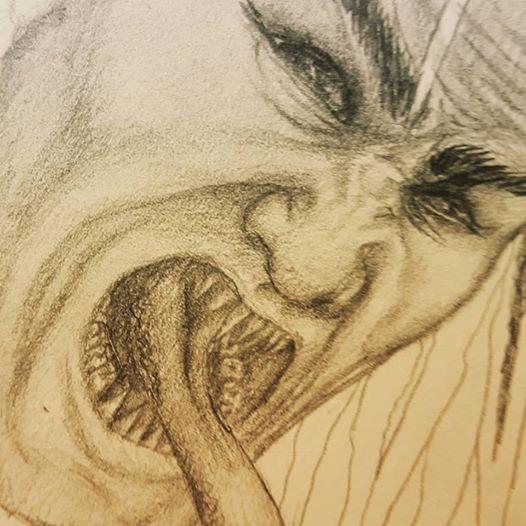
Asuwang, Uswang, Silagan, Manananggal, Osuang, Mandurugo, Tiktik, Wakwak, Ansoang, Asoang, Ansuang, Suangi, Keswange, Iwangi
Fear, Harm, Death, Carnage, Abortion, Disease
Shape-Shifting, Flight, Proboscis-Like Tongue For Feeding, Invisibility, Causing Curses, Transforming Into Animal Forms, Draining Blood, Consuming Internal Organs, Consuming Corpses
- Customs of the Tagalogs By Fr. Juan De Plasencia
- Ferdinand Blumentritt's Writings
- Works By Maximo Ramos
Gugurang, Asuang
Inversion of Filipino Values, Predation, Evil, Chaos, Taboo
- Wakes Were Often Brightly Lit To Prevent Aswang From Stealing Corpses.
- Husbands of Child-Bearing Wives Would Stay Under the House Naked, Waving A Sword.
- Sharp Sticks Or Bolos Were Inserted Between House Floor Bamboos.
- Sick People Were Advised Not To Groan.
- A Special Anti-Aswang Oil Could Be Made From Coconuts.
- Orphans In Some Parts of Luzon Wore Red Strips of Cloth.
- Widows and Widowers Refrained From Remarrying For At Least A Year.
- Phrases Were Used To Announce One's Presence To Spirits and Identify Oneself As Not An Aswang.
Holy Objects, Spices, Salt, Ash, Tail of A Stingray, Large Crustaceans, Vinegar, Betel Nut Chew, Urine, Reversed Ladders, Sharp Sticks, Bolo Knives, Magic Prayers, Fire, Gugurang
- the Term 'Aswang' Is Cognate With Similar Terms In Other Philippine Languages and Is Believed To Be the Origin of Eastern Indonesian Beliefs In 'Suangi'.
- the Specific Forms and Behaviors Attributed To Aswang Can Vary By Region Within the Philippines.
- the God Asuang Was An Antagonist To Gugurang In Bicolano Mythology, With Gugurang Being the Protector Deity.
Dogs, Cats, Pigs, Birds, Proboscis-Like Tongue, Detachable Torso, Coconut Shells, Fire
About Aswang
The Aswang
The Aswang is a pervasive and terrifying figure in Filipino folklore, serving as an umbrella term for a diverse array of shape-shifting, malevolent entities. These creatures encompass beings akin to vampires, ghouls, witches, and human-beast hybrids, notorious for their predatory nature and ability to sow fear throughout the Philippine archipelago. Spanish colonizers in the 16th century documented the Aswang as the most feared among the native mythical creatures, highlighting its deep-rooted presence in the cultural consciousness.
Taxonomy and Forms
Scholars categorize Aswang into several distinct types, each with unique characteristics and methods of predation. The vampire Aswang disguises itself as a beautiful woman, feeding on blood with a long, proboscis-like tongue. The viscera sucker, often known as a manananggal, possesses the gruesome ability to detach its upper torso, grow wings, and fly in search of prey, particularly targeting fetuses and internal organs. Other forms include the weredog, which transforms into a dog, cat, or pig to hunt humans; the witch Aswang, known for its vindictive curses and distinctive eyes; and the ghoul Aswang, a carrion-eater that feeds on corpses.
Behavior and Cultural Significance
Aswang are typically nocturnal, with their powers significantly reduced during daylight. While often depicted as wild monsters dwelling in forests or cemeteries, they are also known to infiltrate human communities, sometimes through marriage. Their behavior is frequently interpreted as a stark inversion of traditional Filipino values, such as strong kinship bonds and modesty, making them a potent symbol of societal anxieties. The Aswang's predilection for raw human flesh and lewd behavior further solidifies its status as an embodiment of evil.
Origins and Countermeasures
The folklore surrounding the Aswang is believed to have originated from a combination of local myths, the behavior of regional wildlife, and potentially the visible symptoms of conditions like X-linked dystonia parkinsonism, particularly in regions like Capiz, which is considered the 'hometown' of the Aswang. Countermeasures against Aswang are varied and deeply embedded in folk practices, including the use of holy objects, salt, spices, vinegar, and urine. Rituals surrounding death, such as brightly lit wakes and specific funeral customs, were also developed to ward them off. The widespread fear and cultural impact of the Aswang have ensured its enduring presence in Filipino storytelling, art, and contemporary media, including numerous films.
Source: Wikipedia ↗
Frequently Asked Questions
What is an Aswang?
An Aswang is a general term used in Filipino folklore for various shape-shifting, malevolent supernatural beings. These creatures can take on forms like vampires, ghouls, witches, and human-beast hybrids, and are known for their predatory nature.
What are the different types of Aswang?
Aswang are categorized into several types, including vampires that feed on blood with a long tongue, viscera suckers that consume internal organs, weredogs that transform into animals, witches with vindictive powers, and ghouls that eat corpses.
Where are Aswang commonly found or associated with?
The Aswang is most commonly associated with the province of Capiz in the Western Visayas region of the Philippines, which has earned it the nickname 'hometown' of the Aswang. They are also prevalent in southern Luzon and parts of Mindanao and Visayas.
What do Aswang eat?
The diet of Aswang varies by type. Vampires consume blood, viscera suckers eat internal organs and phlegm, weredogs prey on people (especially pregnant women), and ghouls are carrion-eaters that consume human corpses.
What are some ways to protect oneself from an Aswang?
Traditional countermeasures include using holy objects, spices, salt, ash, vinegar, betel nut chew, and urine. Brightly lit wakes are used to deter ghouls, and special prayers or oils can be made to detect or repel them. Reversing a ladder or inserting sharp objects into house floors are also mentioned.
Are Aswang depicted in modern media?
Yes, Aswang have been a recurring theme in Filipino horror films, including titles like 'Aswang' (1992), the 'Shake, Rattle & Roll' series, and Erik Matti's 'The Aswang Chronicles'. They have also appeared in some Western films.
Related Demons
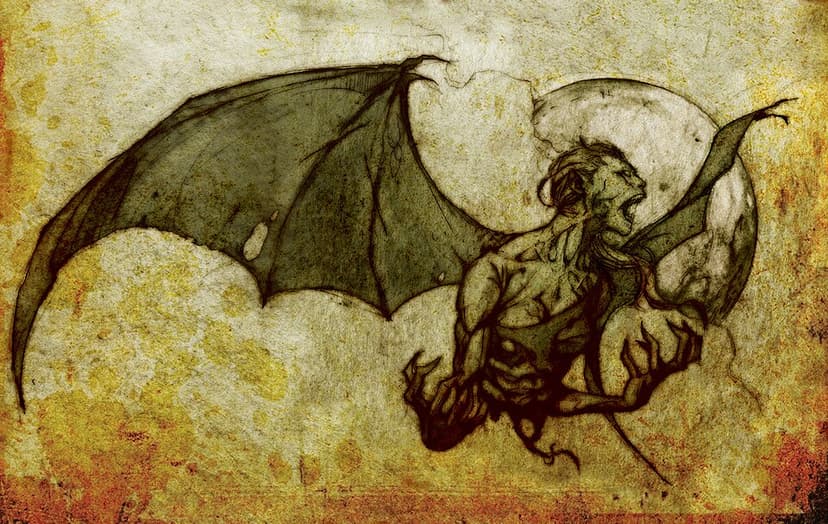
Manananggal
The Manananggal is a mythical creature from Philippine folklore, known for its ability to detach its upper torso and fly using large, bat-like wings. It is typically depicted as female and preys on sleeping victims, particularly pregnant women, by using a long tongue to extract fetuses or blood. Its name, derived from the Tagalog word for "to remove," highlights its most terrifying characteristic: the separation of its body.

Imp
An imp is a European mythological being, often depicted as a mischievous and troublesome lesser demon or fairy. While not always inherently evil, imps are known for their pranks, which can range from amusing to harmful, and they are sometimes described as attendants to the devil. Their association with witches as familiar spirits and their presence in various folklore and literary works make them notable figures in supernatural lore.
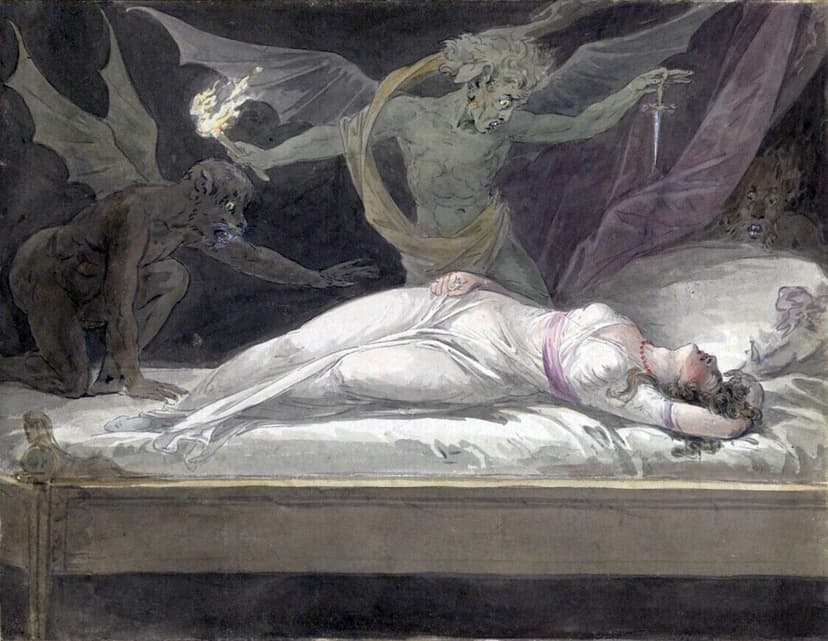
Incubus
An incubus is a male demon from folklore, primarily European, that appears in the dreams of women to seduce them, leading to sexual activity and potentially the birth of a hybrid child. These encounters are believed to cause the woman's health to deteriorate and can ultimately lead to her death. Historically, the concept of the incubus is thought to have arisen from phenomena such as sleep paralysis and vivid dreams.