
Manananggal
Philippine folklore·folklore·Philippines·mythical creature
The Manananggal is a mythical creature from Philippine folklore, known for its ability to detach its upper torso and fly using large, bat-like wings. It is typically depicted as female and preys on sleeping victims, particularly pregnant women, by using a long tongue to extract fetuses or blood. Its name, derived from the Tagalog word for "to remove," highlights its most terrifying characteristic: the separation of its body.
Key Facts
- ›The Manananggal can detach its upper torso from its lower body, with entrails exposed.
- ›It possesses large, bat-like wings for nocturnal flight.
- ›It preys on sleeping victims, especially pregnant women, by extracting fetuses or blood with a long, proboscis-like tongue.
- ›The severed lower torso is its point of vulnerability, and traditional methods of killing it involve applying salt, garlic, ash, or fire to this part.
- ›The creature is primarily associated with the Visayan regions of the Philippines, particularly Capiz, Iloilo, Bohol, and Antique.
- ›It shares characteristics with other folkloric beings like vampires and aswangs, and is repelled by garlic, salt, and holy water.
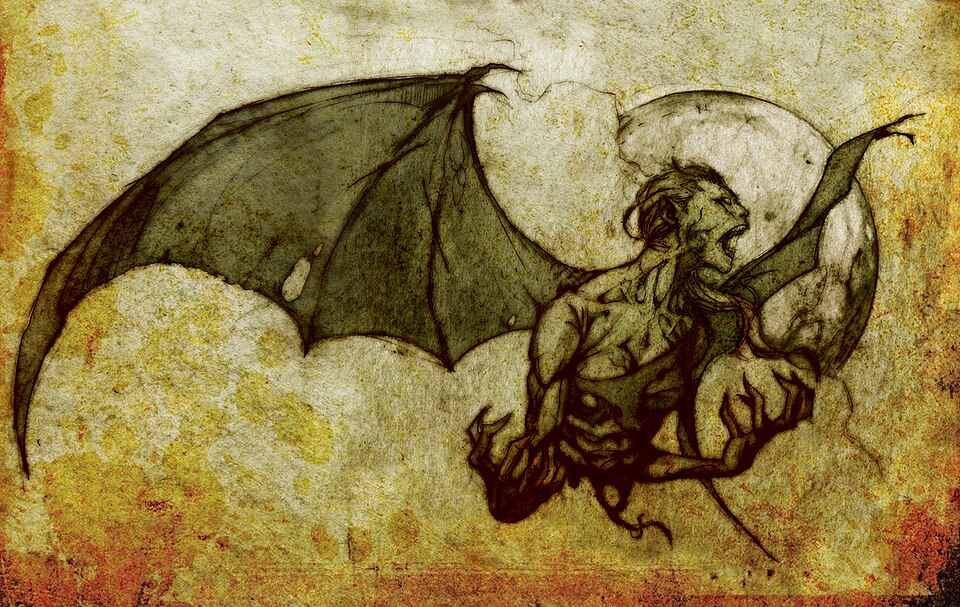
Magtatangal, Tik-Tik
Fetus Extraction, Blood Consumption, Night Hunting, Fear
Detaching Upper Torso From Lower Body, Flight Using Bat-Like Wings, Elongated, Proboscis-Like Tongue
- Philippine Folklore
- Historical Accounts From Catanduanes
- Various Filipino Films and Media
- Graphic Novel Series Banzai Girl
- Animated Film Dayo: Sa Mundo Ng Elementalia
- Marvel Anime: Blade
- Documentary the Aswang Phenomenon
- Erotic Novel Melania: Devourer of Men
- Tv Series Aso Ni San Roque
- Novel Fresh Meat
- Incryptid Series Volume Midnight Blue-Light Special
- Tv Series Elemento Episode "Si Esperanza, Ang Rebeldeng Manananggal"
- Filipino Horror Game Nightfall: Escape
- Tv Series Grimm Episode "Mommy Dearest"
- Horror-Romance Movie Ang Manananggal Sa Unit 23b
- Game Shin Megami Tensei V
- Short Story M By Sarah Hall
- Multimedia Franchise Monster High
- Dark Fantasy Novel Segmentado
- Coffee Table Book Where Are My Legs?
- Upcoming Horror Film Posthouse
- Podcast Story Hearts and Half-Measures
- Animated Feature Film Forgotten Island
Predation On the Vulnerable, Fear of the Unknown, Postpartum Fears
- Traditional Practices For Killing A Manananggal Include Applying Salt, Garlic, Ash, Or Fire To the Lower Half.
- If It Fails To Recombine With Its Lower Half Before Sunrise, the Creature Is Believed To Die.
Garlic, Salt, Ash, Fire, Holy Water, Daggers, Light, Vinegar, Spices, Tail of A Stingray
- Shares Traits With European Vampire Folklore, Particularly Aversion To Garlic, Salt, and Sunlight.
- Comparable Mythical Figures Appear In Indonesian and Malaysian Cultures.
- Often Grouped With Other 'Aswang' Creatures In Philippine Folklore.
Bat-Like Wings, Fangs, Proboscis-Like Tongue, Detached Torso
About Manananggal
The Manananggal is a terrifying mythical creature deeply embedded in the folklore of the Philippines. Its name, derived from the Tagalog word "tanggál" meaning "to remove" or "to separate," directly alludes to its most horrifying ability: to detach its upper torso from its lower body. This gruesome separation allows the upper half, with its prominent wings and fangs, to fly through the night in search of victims.
Mythology and Role
Typically depicted as female, the Manananggal is a fearsome entity known for preying on the vulnerable. Folklore commonly describes it targeting sleeping pregnant women, using an elongated, proboscis-like tongue to extract fetuses or drain blood. Other vulnerable targets include newlyweds, lovers, and newborn children. While the upper torso hunts, the severed lower half remains stationary, serving as its critical point of weakness. If the Manananggal cannot reunite its two halves before sunrise, it is believed to perish.
Cultural Significance and Associations
The myth of the Manananggal is particularly prevalent in the Visayan regions of the Philippines, with strong associations to provinces like Capiz, Iloilo, Bohol, and Antique. It shares many characteristics with other folkloric beings such as vampires and the broader category of "aswangs," and is repelled by common deterrents like garlic, salt, and holy water. Additionally, it is said to avoid daggers, light, vinegar, spices, and the tail of a stingray, which can be fashioned into a protective whip. Despite modernization, belief and reports of encounters with such creatures reportedly persist in certain areas.
Modern Portrayals
The Manananggal has been a recurring figure in Philippine cinema and popular culture since the early 20th century, appearing in numerous films, graphic novels, games, and television series. These modern interpretations have explored various facets of the creature, from its terrifying nature to more nuanced or even sympathetic portrayals, solidifying its status as an iconic figure in Philippine mythology and horror.
Source: Wikipedia ↗
Frequently Asked Questions
What is a Manananggal?
The Manananggal is a mythical creature from Philippine folklore. It is known for its ability to detach its upper torso from its lower body and fly using large, bat-like wings in search of victims.
What does a Manananggal eat or prey on?
Manananggals are believed to prey on sleeping, pregnant women by using an elongated tongue to extract fetuses or draw blood. They are also said to target newlyweds, lovers, newborn children, and grooms abandoned before marriage.
How can a Manananggal be killed?
Traditional methods for defeating a Manananggal involve applying salt, garlic, ash, or fire to its stationary lower half. If the upper torso cannot rejoin its lower half before sunrise, the creature is believed to die.
Where is the Manananggal from?
The myth of the Manananggal is widely recognized in the Visayan regions of the Philippines, with specific mentions of provinces like Capiz, Iloilo, Bohol, and Antique.
What are its weaknesses?
Manananggals are believed to be repelled by garlic, salt, and holy water. They also reportedly avoid daggers, light, vinegar, spices, and the tail of a stingray.
What does the name Manananggal mean?
The name Manananggal is derived from the Tagalog word 'tanggál,' meaning 'to remove' or 'to separate.' It literally translates to 'remover' or 'separator,' referring to its ability to dislodge its body parts.
Related Demons
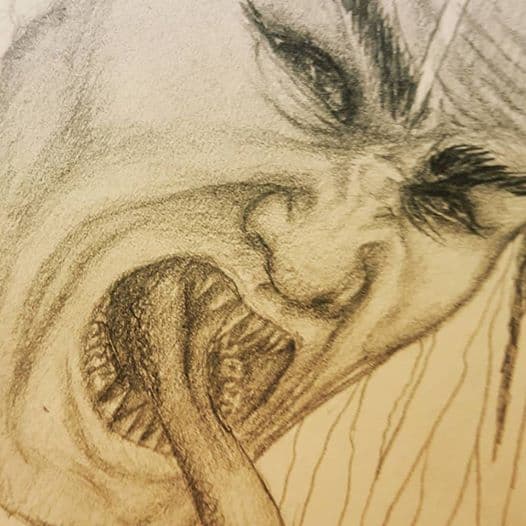
Aswang
The Aswang is a broad category of malevolent, shape-shifting creatures in Filipino folklore, encompassing beings akin to vampires, ghouls, witches, and human-beast hybrids. These entities are deeply ingrained in Philippine mythology and are notorious for their predatory nature, often targeting vulnerable individuals and even fetuses. The Aswang is particularly feared for its ability to infiltrate human society and its behavior, which is seen as a stark inversion of traditional Filipino values.
Drekavac
The Drekavac is a mythical creature from South Slavic folklore, literally meaning "the screamer." It is often depicted as an undead being, either a sinful man or an unbaptised child, that rises from its grave at night to haunt the living, sometimes in animalistic or humanoid forms. The Drekavac is notable for its varied appearances and its association with ominous omens, such as predicting death or cattle disease.
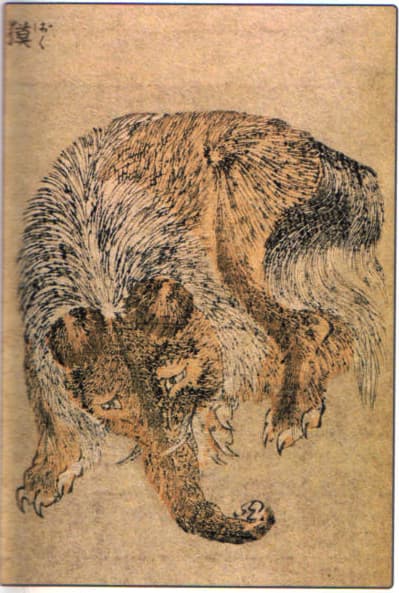
Baku
Baku are supernatural beings originating from Chinese folklore, known in Japan for their ability to devour nightmares. These creatures are said to have been formed from leftover pieces of divine creation, and they have a long history in Japanese folklore and art. While traditionally depicted as chimera-like beings, their form and specific attributes have evolved over time.