
Drekavac
South Slavic mythology·Mythology·South Slavic·Mythical creature
The Drekavac is a mythical creature from South Slavic folklore, literally meaning "the screamer." It is often depicted as an undead being, either a sinful man or an unbaptised child, that rises from its grave at night to haunt the living, sometimes in animalistic or humanoid forms. The Drekavac is notable for its varied appearances and its association with ominous omens, such as predicting death or cattle disease.
Key Facts
- ›The Drekavac is a mythical creature originating from South Slavic mythology.
- ›Its name is derived from the verb "drečati," meaning "to screech."
- ›It is often described as an undead being, either a sinful man or an unbaptised child, that haunts the living at night.
- ›The Drekavac can manifest in various forms, including humanoid, canine, or animalistic shapes like a foal, dog, cat, or bird.
- ›It is believed to be visible primarily at night, especially during the Christmas holidays and early spring.
- ›The creature is associated with predicting death or cattle disease.
Drekalo, Krekavac, Zdrekavac, Zrikavac
Omens, Death, Cattle Disease
Haunting the Living, Predicting Death, Predicting Cattle Disease, Appearing In Various Forms
- South Slavic Mythology and Folk Tales
- Branko ćOpić's Short Story "Brave Mita and Drekavac From the Pond"
- Branko ćOpić's Book "Eagles Fly Early"
- Larry Correia's Novel "Monster Hunter Bloodlines"
- Magic: the Gathering
- Eve Online
- Serbian Trading Card Game Izvori Magije
- Dmc: Devil May Cry
- Superhuman By Weird World
- Horror Piknik Song "Drekavac"
- Lordi Song "Drekavac"
Sinful Men, Unbaptised Children, Omen of Death, Omen of Cattle Disease
- Believed To Be Visible During the Twelve Days of Christmas .
- Avoids Dogs and Bright Light.
Dogs, Bright Light
- Similar To Bukavac, Jaud, Myling, Nav, Plakavac, and Poroniec In Slavic and Scandinavian Folklore.
About Drekavac
The Drekavac is a fearsome mythical creature originating from South Slavic mythology, its name literally translating to "the screamer" or "the screecher." This being is primarily associated with the souls of sinful men or, more commonly, unbaptised children who rise from their graves at night to haunt the living. Its appearances and characteristics vary significantly across different regional folk tales.
Descriptions and Beliefs
Across South Slavic traditions, the Drekavac has been depicted in numerous forms. Some tales describe it as an undead man or a vampire-like revenant, while others portray it as an unbaptised child seeking baptism to end its torment. Regional variations include a humanoid canine creature walking on its hind legs, ghosts of soldiers, a long-necked, long-legged being with a cat-like head, a one-legged humanoid with glowing eyes, or an apparition that can take the shape of a dappled foal, dog, cat, or bird. A more detailed description from Banovići portrays it as a large, ape-like creature with white hair, bear-sized claws, and an elongated head with sharp teeth, known to stalk its victims.
The Drekavac is believed to be most active at night, particularly during the twelve days of Christmas, referred to as "unbaptised days," and in early spring, when other supernatural entities are thought to be more prevalent. Its presence is often seen as an omen: in child form, it predicts death, and in animal form, it foretells cattle disease. The creature is known to avoid dogs and bright light, and it is believed that its shadow falling upon a person can cause sickness and death.
Modern Manifestations and Cultural Impact
While often relegated to cautionary tales for children, some adults still report beliefs in the Drekavac, with anecdotal sightings and sounds continuing, especially in mountainous regions like Zlatibor. Modern interpretations and attributions have occurred, such as misidentified animal carcasses being claimed as Drekavac remains or attacks on livestock being blamed on the creature, sometimes with debate over whether the events align with its known nocturnal habits. The Drekavac has also found its way into contemporary popular culture, appearing in literature, video games, and music, solidifying its place as a persistent figure in Slavic folklore and beyond.
Source: Wikipedia ↗
Frequently Asked Questions
What does the name Drekavac mean?
The name Drekavac literally translates to "the screamer" or "the screecher." It is derived from the South Slavic verb "drečati," which means "to screech."
What are the common descriptions of a Drekavac?
Descriptions of the Drekavac are varied. It can be depicted as an undead man emerging from his grave, an unbaptised child haunting its parents, a humanoid canine creature, a ghost of a soldier, a vampire-like undead man, a long-necked creature with a cat-like head, a one-legged humanoid with glowing eyes, or an apparition in the form of a foal, dog, cat, or bird. Some modern descriptions also liken it to a canine creature or a bird.
When is the Drekavac believed to be most active?
The Drekavac is popularly believed to be visible only at night, particularly during the twelve days of Christmas, known as "unbaptised days" in Serbo-Croatian, and in early spring. These periods are when other demons and mythical creatures were thought to be more active.
What omens are associated with the Drekavac?
When appearing in the form of a child, the Drekavac is said to predict someone's death. In its animal form, it is believed to foretell cattle disease. The creature is also thought to avoid dogs and bright light.
Are there any modern beliefs or sightings of the Drekavac?
Despite being largely used in cautionary tales for children, some adults still believe in the Drekavac. Reports of sightings and sounds continue, particularly in areas like the Zlatibor mountain. However, some supposed modern sightings have been attributed to misidentified animal carcasses or phenomena occurring during daylight hours, which contradicts the creature's nocturnal nature.
How does the Drekavac compare to similar mythical creatures?
The Drekavac shares similarities with other Slavic and Scandinavian mythical beings. It is comparable to the Bukavac, a water monster; the Jaud, a vampirised premature baby; the Myling, a Scandinavian spirit of an unbaptised child; the Nav, the soul of a dead child; the Plakavac, a newborn strangled by its mother; and the Poroniec, a demon from stillborn fetuses or improperly buried infants.
Related Demons
Manananggal
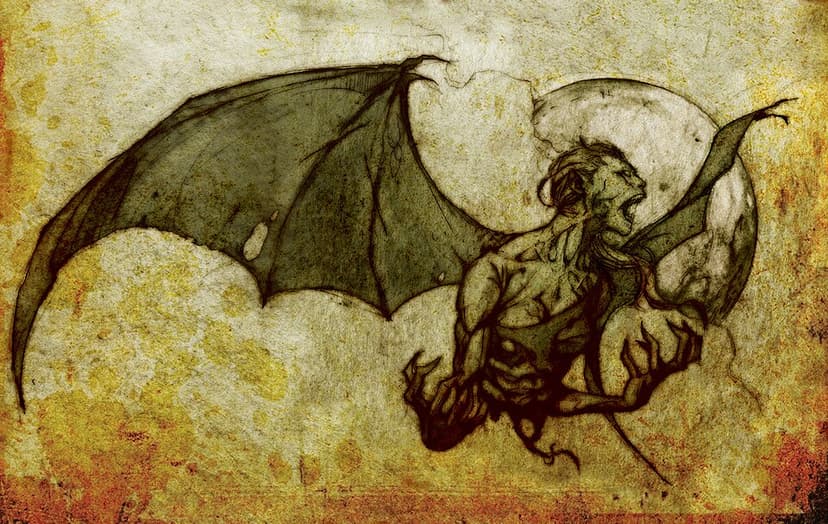
The Manananggal is a mythical creature from Philippine folklore, known for its ability to detach its upper torso and fly using large, bat-like wings. It is typically depicted as female and preys on sleeping victims, particularly pregnant women, by using a long tongue to extract fetuses or blood. Its name, derived from the Tagalog word for "to remove," highlights its most terrifying characteristic: the separation of its body.
Azi Dahaka/Dahak
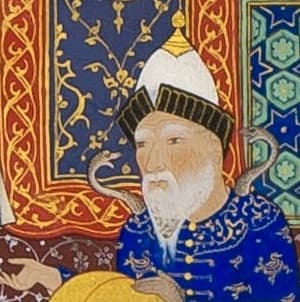
Aži Dahāka, also known as Zahhāk, is a prominent figure of evil in Iranian mythology and Zoroastrian tradition, often depicted as a monstrous serpent or dragon. He is notable for his role as a tyrannical king who ruled for a thousand years, feeding human brains to two snakes that grew from his shoulders, and for his eventual defeat and imprisonment by the hero Fereydun.
Bali Raj
Mahabali, also known as Bali, is a prominent daitya king in Hinduism, recognized as one of the Chiranjivi, or immortals. He is celebrated for his benevolent rule and generosity, famously tricked by Vishnu's Vamana avatar, which led to his banishment to Sutala Loka. His legend forms a central part of the annual Onam festival in Kerala, marking his symbolic return to his kingdom.