
Azi Dahaka/Dahak
Aži Dahāka, also known as Zahhāk, is a prominent figure of evil in Iranian mythology and Zoroastrian tradition, often depicted as a monstrous serpent or dragon. He is notable for his role as a tyrannical king who ruled for a thousand years, feeding human brains to two snakes that grew from his shoulders, and for his eventual defeat and imprisonment by the hero Fereydun.
Key Facts
- ›AžI Dahāka is a significant figure in Zoroastrianism, considered the son of Ahriman, the personification of evil.
- ›In the Avesta, he is depicted as a monstrous being with three mouths, six eyes, and three heads.
- ›Ferdowsi's Shāhnāmeh portrays Zahhāk as an evil human king, son of Merdās, who is tricked by Ahriman into killing his father and subsequently grows two snakes from his shoulders.
- ›Zahhāk's reign is characterized by tyranny, including the daily sacrifice of human brains to feed his snakes.
- ›He was ultimately defeated by the hero Fereydun, who imprisoned him in a cave beneath Mount Damāvand.
- ›The name 'Zahhāk' itself is a Persian adaptation influenced by the Arabic word for 'one who laughs'.
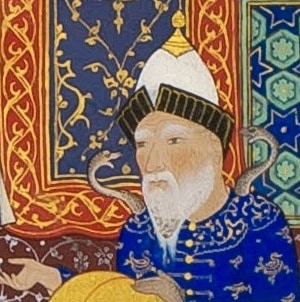
ZahhāK, DahāG, AžI DahāKa, ZahhāK-E TāZī, Al-Dahhak Ibn ‘Alwan
Evil, Chaos, Tyranny, Death
Demonic Influence, Supernatural Strength, Growth of Snakes From Shoulders, Ability To Command Armies, Sorcery
Avesta, DēNkard, MēNog ī Xrad, ShāHnāMeh, Tarikh Al-Tabari
Ahriman, Ahura Mazda, Yima, ArəDvī SūRā, Vayu, āTar, Spitiyura, ArəNavāCi, SavaŋHavāCi, θRaēTaona, MerdāS, KāVa, Armayel, Garmayel, BarmāYeh, Sinan, Abraham, Thutmose I
Evil, Sin, Chaos, Tyranny, Greed
Fereydun, Ahura Mazda, āTar, KāVa, KirsāSp
- the Name and Depiction of AžI DahāKa Have Evolved Through Different Iranian Traditions. the ShāHnāMeh Transformed Him From A Monstrous Being Into A Human Tyrant.
- the Name 'AžI DahāKa' Became the Root For the Word 'Dragon' In Many Iranian and Eastern European Languages.
- Islamic Narratives Offer Interpretations of Zahhak, Such As Viewing the Snakes As Tumors Or Identifying Him With Historical Egyptian Rulers.
Serpent, Dragon, Three Heads, Six Eyes, Snakes On Shoulders, Mace
About Azi Dahaka/Dahak
Azi Dahaka, also known as Zahhak or Dahak, is a central figure of evil in Iranian mythology and Zoroastrian tradition. He is primarily recognized as a monstrous being of immense power and malevolence, who ultimately becomes a tyrannical king.
Zoroastrian Tradition
In the Avesta, the sacred texts of Zoroastrianism, Azi Dahaka is depicted as the son of Ahriman, the destructive spirit and adversary of Ahura Mazda. He is described as a formidable monster with three mouths, six eyes, and three heads, possessing cunning and strength. Within these texts, he is associated with wickedness and is considered the most significant and enduring of the 'ažis' (serpents or dragons). He is said to have worshipped deities like Arədvī Sūrā and Vayu in a bid for power to depopulate the world, though they refused. He is also mentioned as having a brother, Spitiyura, with whom he attacked the hero Yima (Jamshid).
Post-Avestan texts, such as the Dēnkard, further elaborate on Dahaka's character, attributing to him all possible sins and evil counsels. The name Dahaka itself is sometimes punningly interpreted as meaning 'having ten sins.' His mother is identified as Wadag, who, according to some accounts, committed incest with her son. Dahak is also believed to have ruled for a thousand years after Jamshid lost his royal glory, ruling with the aid of demons known as daevas.
The Shahnameh Narrative
Ferdowsi's epic poem, the Shāhnāmeh, retells the legend of Zahhak, transforming him from a supernatural monster into an evil human being. In this version, Zahhak is the son of an Arab ruler named Merdas. Easily swayed by Ahriman, who appears to him as a flattering companion, Zahhak murders his own father to usurp his kingdom. Subsequently, Ahriman, disguised as a master cook, tricks Zahhak into allowing him to kiss his shoulders. This act causes two black snakes to grow from Zahhak's shoulders. Unable to be removed, these snakes require a daily offering of two human brains to prevent them from consuming Zahhak himself.
Zahhāk's reign of tyranny lasts for centuries, marked by the execution of countless men to feed his serpents. He eventually captures and executes Jamshid, taking his throne. His rule is ultimately challenged by the blacksmith Kaveh, whose son was slated to be sacrificed, and the hero Fereydun. Fereydun defeats Zahhak, but on the advice of an angel, binds him and imprisons him in a cave beneath Mount Damavand, where he is to remain until the end of the world.
Legacy and Cultural Impact
The figure of Azi Dahaka/Zahhāk has had a lasting impact on Iranian culture and beyond. The name itself has become associated with the concept of a dragon in various languages. His story serves as a foundational myth of good versus evil, highlighting themes of tyranny, rebellion, and eventual justice. In modern times, the name 'Zahhāk' has been used metaphorically and politically, reflecting the enduring resonance of this ancient figure of malevolence. The legend has also been adapted into numerous literary works, films, and video games, demonstrating its continued relevance in popular culture.
Source: Wikipedia ↗
Frequently Asked Questions
Who is Aži Dahāka?
Aži Dahāka is a personification of evil in Iranian mythology and Zoroastrian tradition. He is depicted as a monstrous serpent or dragon, and in later narratives, as a tyrannical human king.
What is Aži Dahāka known for?
He is known for his immense cruelty, ruling for a millennium and demanding human brains to feed two snakes that grew from his shoulders. His reign was eventually ended by the hero Fereydun, who imprisoned him.
What is the origin of the name Zahhāk?
The name Zahhāk, used in Ferdowsi's Shāhnāmeh, is a Persian adaptation of the Avestan name Aži Dahāka. It was influenced by the Arabic word 'ḍaḥḥāk,' meaning 'one who laughs'.
How was Aži Dahāka defeated?
In Zoroastrian texts, he was defeated by the hero Θraētaona (Fereydun). In the Shāhnāmeh, Fereydun strikes Zahhāk with a mace, binds him, and imprisons him in a cave under Mount Damāvand.
What is the significance of the snakes on Zahhāk's shoulders?
According to the Shāhnāmeh, the snakes grew from Zahhāk's shoulders after he allowed the demon Ahriman to kiss him. They developed an insatiable hunger for human brains, necessitating the daily sacrifice of two men.
Is Aži Dahāka considered a demon or a dragon?
Aži Dahāka is described as a 'monster' and an 'aži' (serpent/dragon) in Zoroastrian texts, with monstrous features like multiple heads and eyes. In later traditions, he is portrayed as an evil human king influenced by demons.
Related Demons
Apaosha
Apaosha is the demon of drought in Zoroastrianism, representing the antithesis of Tishtrya, the divinity of rainfall. He is notably depicted in the Avesta as a dark horse battling Tishtrya, symbolizing the struggle against arid conditions. Apaosha's defeat by Tishtrya is a key mythological narrative explaining the onset of the rainy season.
Aeshma
Aeshma is the demon of "wrath" in Zoroastrianism, known by the epithet "of the bloody mace." As a hypostatic entity, he represents fury and rage, and is a significant adversary within the Zoroastrian cosmology. He is notably opposed by Sraosha, the principle of religious obedience, and is considered a messenger of Angra Mainyu, the destructive spirit.
Aka Manah/Akem Manah/Akoman/Akvan
Aka Manah, also known as Akoman or Akvan, is a prominent daeva in Zoroastrianism, representing the concept of "Evil Mind" or "Evil Purpose." He is characterized as the malevolent force of sensual desire, sent by Ahriman to tempt the prophet Zoroaster and to sow discord and evil intent. His eternal adversary is Vohu Manah, the "Good Mind," and he is considered one of the most dreaded demons.