
Aeshma
Aeshma is the demon of "wrath" in Zoroastrianism, known by the epithet "of the bloody mace." As a hypostatic entity, he represents fury and rage, and is a significant adversary within the Zoroastrian cosmology. He is notably opposed by Sraosha, the principle of religious obedience, and is considered a messenger of Angra Mainyu, the destructive spirit.
Key Facts
- ›Aeshma is the Zoroastrian demon of "wrath," "rage," and "fury."
- ›His standard epithet is "of the bloody mace."
- ›He is presented as a messenger of Angra Mainyu.
- ›Aeshma's chief adversary is Sraosha, the personification of "Obedience."
- ›He distracts from proper worship through brutality, violence, and drunkenness.
- ›Recitation of prayer can drive Aeshma away.
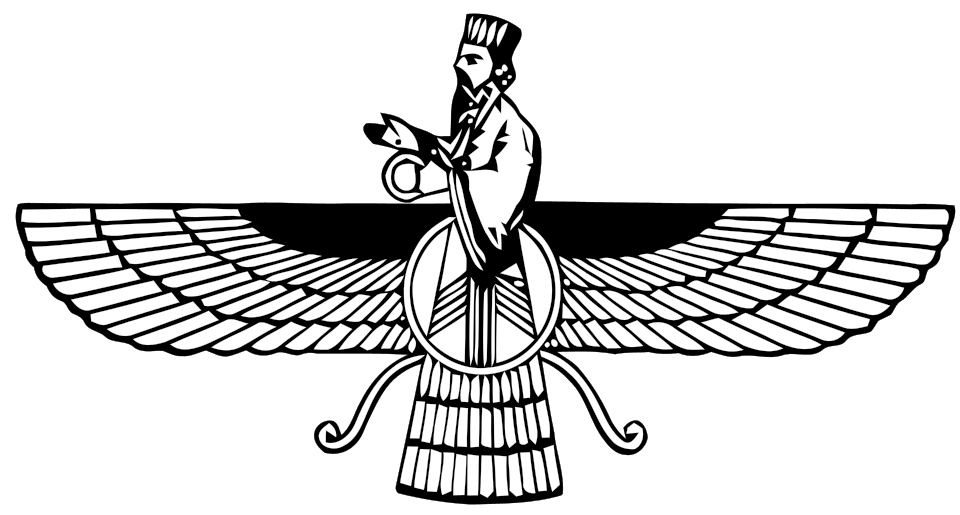
AēšMa, AēšəMa, Eshm, Kheshm, XašM, Esma
Wrath, Rage, Fury, Distraction From Worship, Brutality, Violence, Drunkenness
Incites Wrath, Rage, and Fury, Distracts From Proper Worship, Can Be Driven Away By Prayer
Avestan Texts, Middle Persian Texts, Pazend Texts, New Persian Texts, Rivayats, MēNog ī Xrad
Angra Mainyu, Asha Vahishta, Spenta Mainyu, Ahura Mazda, Sraosha, Mithra, Az, Vohu Manah, Saoshyant, Jamshid, DahāG
Wrath, Rage, Fury, Distraction From Religious Devotion, Violence, Brutality, Drunkenness, Falsehood
- A Yasna Ceremony Not Properly Executed Is Said To Have Been Done As If For Aeshma.
- Aeshma Can Be Driven Away By the Recitation of A Prayer.
Asha Vahishta, Sraosha, Mithra, Saoshyant
- Judaism's Asmodeus May Derive From Avestan Aeshma.Daeva.
- the Georgian Word For Devil, Eshmaki, Derives From Aeshma.
Bloody Mace
About Aeshma
Aeshma: The Demon of Wrath
Aeshma is the principal demon of "wrath," "rage," and "fury" within Zoroastrianism. His name, derived from an Indo-Iranian root, is also found in later Persian as "xašm." He is consistently depicted as a malevolent entity, often serving as a messenger for Angra Mainyu, the destructive spirit in Zoroastrian cosmology. Aeshma's notoriety stems from his role in disrupting spiritual order and inciting destructive human emotions.
Role in Scripture and Opposition
Within the structured hierarchy of Zoroastrian demons (daevas), Aeshma stands in direct opposition to Asha Vahishta, the divine hypostasis of "Truth." This cosmic struggle mirrors the broader conflict between Angra Mainyu and Spenta Mainyu, the benevolent creative spirit. Aeshma is particularly portrayed as an antagonist to Sraosha, the personification of "Obedience" and religious discipline. His influence is seen in the distortion of religious practices, leading to brutality, violence, and drunkenness, thereby endangering the "Good Religion."
Epithets and Associations
Aeshma is commonly known by his epithet "of the bloody mace," a symbol of his violent nature. Other epithets include "ill-fated," "malignant," and "possessing falsehood." He is closely associated with Az, the demon of "avarice," though Az is destined to eventually consume him. In later traditions, Aeshma is seen as a commander appointed by Angra Mainyu. The texts suggest that Aeshma can be repelled by the recitation of prayers, highlighting the power of spiritual devotion against his destructive influence.
Legacy and Influence
The concept of Aeshma has had a notable influence beyond Zoroastrianism. It is believed that the Jewish demon Asmodeus may have originated from the Avestan "aeshma.daeva." Similarly, the Georgian word for devil, "eshmaki," also derives from Aeshma's name, indicating a broader cultural impact of this demonological figure.
Source: Wikipedia ↗
Frequently Asked Questions
What does Aeshma represent in Zoroastrianism?
Aeshma represents the destructive forces of "wrath," "rage," and "fury" in Zoroastrianism. He is a personification of these negative emotions and their harmful effects.
Who is Aeshma's main adversary?
Aeshma's chief adversary is Sraosha, who embodies "Obedience," religious devotion, and discipline. Their opposition highlights the struggle between destructive emotions and righteous adherence to faith.
What is Aeshma's epithet?
Aeshma's standard epithet is "of the bloody mace." This imagery emphasizes his violent and destructive nature.
How does Aeshma influence religious practice?
Aeshma distracts from proper worship by distorting the intention of sacrifice through brutality, violence in war, and drunkenness. He is seen as a metaphysical endangerment to the Good Religion.
Can Aeshma be repelled?
Yes, Aeshma can be driven away by the recitation of a prayer. This highlights the protective power of devotion and spiritual discipline.
Related Demons
Aka Manah/Akem Manah/Akoman/Akvan
Aka Manah, also known as Akoman or Akvan, is a prominent daeva in Zoroastrianism, representing the concept of "Evil Mind" or "Evil Purpose." He is characterized as the malevolent force of sensual desire, sent by Ahriman to tempt the prophet Zoroaster and to sow discord and evil intent. His eternal adversary is Vohu Manah, the "Good Mind," and he is considered one of the most dreaded demons.
Bushyasta
Bushyasta is the Zoroastrian demon of sloth, known by the epithet "the long-handed." She is the personification of laziness and idleness, striving to prevent the righteous from performing productive tasks and causing the faithful to forget their prayers. While named in scripture, she is not described in great detail compared to other demons.
Apaosha
Apaosha is the demon of drought in Zoroastrianism, representing the antithesis of Tishtrya, the divinity of rainfall. He is notably depicted in the Avesta as a dark horse battling Tishtrya, symbolizing the struggle against arid conditions. Apaosha's defeat by Tishtrya is a key mythological narrative explaining the onset of the rainy season.