
Krampus
Central and Eastern Alpine folklore·folklore·Alpine regions (Austria, Bavaria, Slovenia, Croatia, etc.)·demon
Krampus is a horned, anthropomorphic figure from Central and Eastern Alpine folklore who accompanies Saint Nicholas during visits to children on December 5th, Krampusnacht. While Saint Nicholas rewards good behavior, Krampus punishes misbehaving children with birch rods and is sometimes depicted as carrying them away. The figure has gained international recognition and is now a prominent character in popular culture.
Key Facts
- ›Krampus is a horned, anthropomorphic figure from Alpine folklore associated with Saint Nicholas.
- ›He punishes badly behaved children with birch rods and may carry them away in a sack or basket.
- ›The figure is attested from the 16th century, with some postulating pre-Christian origins, though historians consider this unlikely.
- ›Krampus is featured on holiday greeting cards known as Krampuskarten, often with humorous or menacing depictions.
- ›The tradition faced prohibition in Austria in the 1930s but has seen a resurgence in recent decades.
- ›Krampus has been widely adopted into modern popular culture, appearing in films, TV shows, and video games.

Parkelj, Strohbart, Klaubauf, Klaubaufmann, Bartl, Bartel, Niglobartl, Wubartl, Barrel, Bartholomeus, Schmutzli, PöPel, HüLlepöPel, Zember, BelzmäRte, PelzmäRtel, SchabmäNner, Rauhen
Punishment of Misbehaved Children, Fear, Discipline
Punishing Children With Birch Rods Or Whips, Carrying Children Away, Making Frightening Appearances, Thrashing Chains
- Krampuskarten
- Gerald Brom's Novel "Krampus: the Yule Lord"
- Image Comics' "Krampus" Comic Series
- Universal Pictures' Film "Krampus"
- Seven Bucks Productions and Amazon Studios' Film "Red One"
Saint Nicholas, Farmhand Rupert, Schmutzli, PèRe Fouettard, Zwarte Piet, Percht, Miklavž
- Punishment For Misbehavior
- Fear
- Discipline
- Winter Solstice Traditions
- Pre-Christian Elements Assimilated Into Christian Customs
- Krampuslauf Involve Young Men Dressed As Krampus Parading and Attempting To Scare Audiences.
- Perchtenlauf, An Earlier Form of Krampus Runs, Involved Masquerading As Devilish Figures.
- Offering Krampus Schnapps, A Strong Distilled Fruit Brandy, Is Customary In Some Celebrations.
- In Some Traditions, Golden Birch Twigs Are Presented By Krampus To Families and Displayed Year-Round As A Reminder.
Saint Nicholas, Christian Church
- In Slovenia, Krampus Is Called Parkelj and Is A Companion of Miklavž, the Slovenian Saint Nicholas.
- In Bosnia and Herzegovina and Croatia, Krampus Is Described With A Cloth Sack and Chains.
- In Styria, Companion Figures Like SchabmäNner Or Rauhen Are Similar To Bulgarian Kukeri Dancers.
- Modern Interpretations In Tourist-Friendly Settings Often Portray Krampus As More Humorous Than Fearsome.
Horns, Cloven Hooves, Chains, Birch Branches, Whip, Sack Or Basket
About Krampus
Krampus is a mythical figure originating from the folklore of Central and Eastern Alpine regions, most notably Austria and Bavaria. He is traditionally depicted as a horned, anthropomorphic creature who accompanies Saint Nicholas on the eve of Saint Nicholas Day, December 5th, known as Krampusnacht.
Role and Tradition
In this dualistic tradition, Saint Nicholas rewards well-behaved children with gifts, while Krampus serves as the punisher for those who have misbehaved. He is typically portrayed as a hairy beast with a long, lolling tongue, fangs, horns, and a cloven goat's foot, often carrying chains and birch branches or a whip. Krampus thrashes his chains for dramatic effect and is sometimes depicted with a sack or basket on his back, used to carry away unruly children to be punished further or even taken to Hell.
Origins and Evolution
The exact origins of Krampus are debated, with some folklorists suggesting pre-Christian roots, though historians generally date his first clear attestation to the 16th century. It is believed that pagan traditions of masked devils and spirits in the Alpine regions may have influenced the development of Krampus. Over time, he was integrated into the Christian Saint Nicholas celebrations, often seen as a helper or enforcer for the saint, symbolizing the binding of the Devil by the Christian Church through the chains he carries. The figure has also been associated with earlier traditions like the Perchtenlauf, processions involving devilish figures.
Modern History and Cultural Impact
The Krampus tradition has seen periods of suppression, notably by the Dollfuss regime in Austria in the 1930s and through government pamphlets in the 1950s that warned against the figure's perceived negative influence on children. However, the late 20th century witnessed a significant popular resurgence of Krampus celebrations, including traditional parades known as Krampusläufe ("Krampus runs"). These events, where young men dressed as Krampus attempt to scare onlookers, continue to be popular. Krampus has also become a notable figure in modern popular culture worldwide, appearing in films, television shows, video games, and inspiring a range of merchandise and seasonal products, often with a blend of the frightening and the humorous.
Source: Wikipedia ↗
Frequently Asked Questions
What is Krampus's role?
Krampus serves as the punisher of naughty children during the Krampusnacht (December 5th), the night before Saint Nicholas Day. While Saint Nicholas rewards good children, Krampus dispenses coal and birch rods to the misbehaved.
What does Krampus look like?
Krampus is typically depicted as hairy, horned, and often dark-colored, with one cloven goat's foot and one human foot. He possesses a long, pointed tongue, fangs, and carries chains and birch branches or a whip.
Where does the Krampus tradition come from?
The tradition originates in the Central and Eastern Alpine folklore of regions like Austria and Bavaria. While some theories suggest pre-Christian roots, historical evidence places its emergence around the 16th century.
What is Krampusnacht?
Krampusnacht, or "Krampus Night," is celebrated on the evening of December 5th, preceding the Feast of Saint Nicholas on December 6th. It is the night when Krampus appears alongside or in place of Saint Nicholas to deal with misbehaving children.
Has Krampus always been part of folklore?
While figures that punish children have existed, Krampus as he is known today is not attested until the 16th century. Early forms may have been influenced by pagan traditions, but the figure was integrated into Christian customs.
Is Krampus still celebrated today?
Yes, the Krampus tradition has experienced a significant revival in recent decades, particularly in Alpine regions and has spread internationally. Krampuslauf (Krampus runs) and themed events are popular, and the character is prominent in popular culture.
Related Demons
Aswang
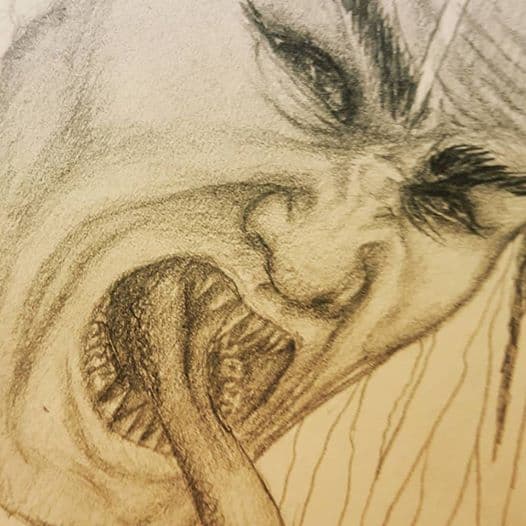
The Aswang is a broad category of malevolent, shape-shifting creatures in Filipino folklore, encompassing beings akin to vampires, ghouls, witches, and human-beast hybrids. These entities are deeply ingrained in Philippine mythology and are notorious for their predatory nature, often targeting vulnerable individuals and even fetuses. The Aswang is particularly feared for its ability to infiltrate human society and its behavior, which is seen as a stark inversion of traditional Filipino values.

Imp
An imp is a European mythological being, often depicted as a mischievous and troublesome lesser demon or fairy. While not always inherently evil, imps are known for their pranks, which can range from amusing to harmful, and they are sometimes described as attendants to the devil. Their association with witches as familiar spirits and their presence in various folklore and literary works make them notable figures in supernatural lore.
Incubus
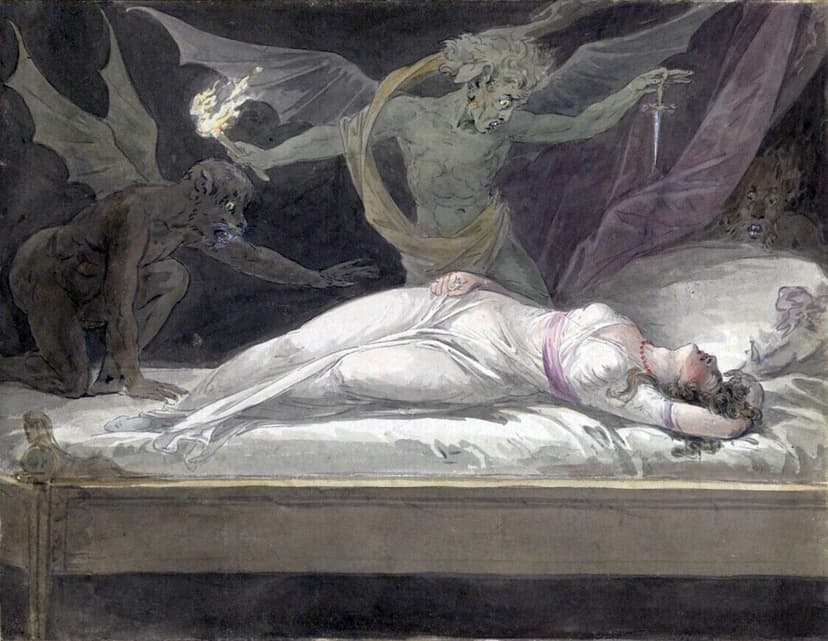
An incubus is a male demon from folklore, primarily European, that appears in the dreams of women to seduce them, leading to sexual activity and potentially the birth of a hybrid child. These encounters are believed to cause the woman's health to deteriorate and can ultimately lead to her death. Historically, the concept of the incubus is thought to have arisen from phenomena such as sleep paralysis and vivid dreams.