
El Tío
El Tío, meaning "The Uncle" in Spanish, is a legendary figure in Bolivian folklore, particularly associated with the mines of Cerro Rico in Potosí. He is revered as the lord of the underworld and a guardian spirit of the mines, dispensing both protection and destruction to the miners. El Tío's iconography and attributes are often linked to the Christian Devil, a fusion that arose during the colonial era.
Key Facts
- ›El Tío is known as the lord of the underworld and protector of mines in Bolivian folklore.
- ›He is also referred to as Supay, Tío Supay, or Uncle Supay.
- ›El Tío is often depicted with horns and in the shape of a goat, resembling the Devil.
- ›Miners make offerings of tobacco, liquor, and coca leaves to El Tío for protection.
- ›He is believed to reward those who pay homage and punish those who mock him.
- ›El Tío's wife is identified as Chinasupay, the "she-devil".
the Uncle, Supay, TíO Supay, Uncle Supay
Underworld, Mines, Protection, Destruction, Miner Safety
Dispenses Protection, Dispenses Destruction, Punishes Those Who Mock Him, Rewards Those Who Pay Homage
Carnaval De Oruro, the Devil's Miner
Chinasupay, Lucifer, Archangel Michael
Mining Prosperity, Dangers of the Mine, Colonial Exploitation, Taboos
- Offerings of Tobacco, Liquor , and Coca Leaves Are Made.
- Modern Offerings Include Coca, Hand-Rolled Cigarettes, and Rum On Tuesdays and Fridays.
- On Carnival Tuesday, the Challa Ritual Involves Spilling Chicha Or Liquor and Adorning Effigies With Confetti.
- the K’Araku Sacrifice Involves the Ritual Slaughter of A Camelid In August.
- Taboos Include Eating In the Mine, Eating Salty Food Before Entering, Or Bringing Women Into the Mines.
Archangel Michael
- the Muqui of Central Peru Is An Analogous Being of the Mines.
Horns, Goat Shape
About El Tío
El Tío: Lord of the Bolivian Mines
El Tío, a figure from Bolivian folklore and mining religion, is revered as the "Uncle" and the legendary Lord of the Underworld. He is particularly venerated in the silver mines of Cerro Rico in Potosí, Bolivia, and the wider Altiplano region. El Tío serves as both a guardian spirit of the mines and a dispenser of fortune and misfortune to the miners who labor within them.
Origins and Syncretism
The origins of El Tío are intertwined with the colonial history of Bolivia. One theory suggests that Spanish colonizers, in an effort to discourage indigenous worship of native deities, imposed sinister attributes of the Devil onto these figures, such as horns. The indigenous populations, however, adapted these new associations, creating a syncretic figure. Another perspective posits that the figure was introduced by colonial Spaniards to motivate the mitayuq (conscripted laborers) through the threat of a devil-like overseer. The term "Tío" itself may stem from a corruption of the Spanish word "Dios" (God) in Quechua-Aymara languages, which lack the "D" sound.
Role and Worship
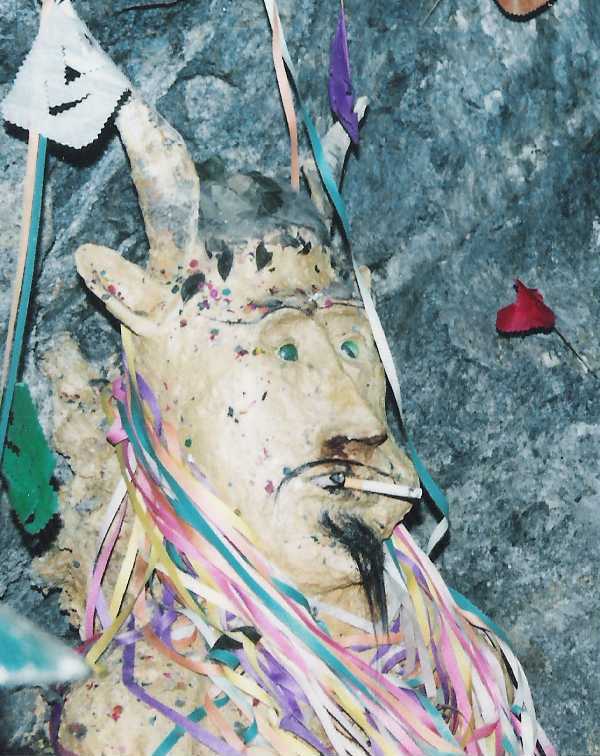
El Tío is described as the "lord of the underworld" or "king of the underground." Miners view him as the master of the subterranean realm, responsible for both their safety and their peril. In Potosí, the mine itself is considered a sacred space, and miners perform rituals and wear amulets before entering. Rude statues of El Tío are erected at mine entrances, and miners offer him tobacco, liquor, and coca leaves in exchange for protection. Modern offerings, especially on Tuesdays and Fridays, include hand-rolled cigarettes and rum, while rituals like the challa involve spilling libations on the earth and adorning the effigy with confetti.
Iconography and Rituals
Typical statues of El Tío depict a horned, bulging-eyed devil, often resembling a goat. These effigies are central to the miners' relationship with the supernatural forces of the mine. The k’araku ritual, performed in August, involves the ritual sacrifice of a camelid, such as a llama or alpaca, with prayers for safety offered over the blood. El Tío is believed to reward devotion and punish disrespect. Miners understand that their offerings and labor sustain the mine, but also that El Tío may claim lives to "restock" its energy. Violating taboos, such as eating in the mine or bringing women into the shafts, is believed to incur his wrath.
Cultural Significance
El Tío plays a significant role in cultural expressions, notably in the annual Carnaval de Oruro. The famous diablada dance features costumed performers enacting the battle between devils, representing El Tío, and Archangel Michael. While the Catholic Church has historically had a complex relationship with these practices, El Tío remains a powerful and enduring symbol of the harsh realities and spiritual beliefs of Bolivian miners.
Source: Wikipedia ↗
Frequently Asked Questions
Who is El Tío?
El Tío is a legendary figure in Bolivian mining folklore, revered as the lord of the underworld and the protector of mines. He is considered a guardian spirit who dispenses both protection and destruction to miners.
What is El Tío associated with?
El Tío is primarily associated with the silver mines of Cerro Rico in Potosí, Bolivia, and the broader Altiplano region. He is a central figure in the religious practices and beliefs of the mining communities.
What are the origins of El Tío?
The origins are debated, with one theory suggesting Spanish colonizers added devil-like attributes to a native venerated figure to discourage its worship. Another interpretation posits that the figure originated with colonial Spaniards to motivate conscripted laborers.
How do miners interact with El Tío?
Miners create statues of El Tío and place them at mine entrances. Before entering, they perform rituals and leave offerings such as coca leaves, cigarettes, and liquor to ensure his favor and protection.
What are El Tío's powers or influence?
El Tío is believed to have the power to grant protection and ensure successful mining, but also to cause destruction through mine collapses. Miners believe their offerings and labor maintain the mine's vital sources, which El Tío can also claim.
What is the symbolic representation of El Tío?
El Tío is often depicted as a horned, bulging-eyed devil or in the shape of a goat, symbolizing the Devil. This imagery is a blend of indigenous beliefs and imposed Christian demonology.
Related Demons
Ala
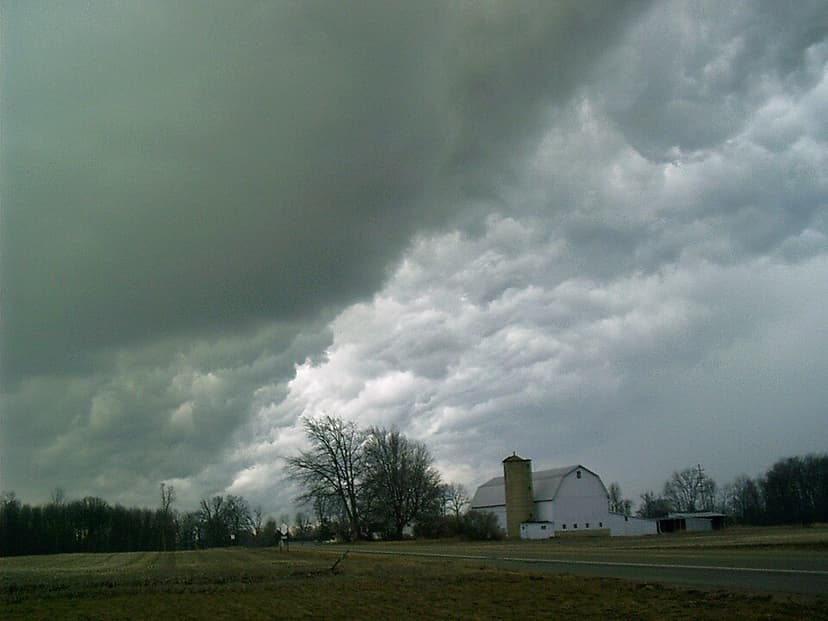
Ala are female mythological beings found in the folklore of Bulgarians, Macedonians, and Serbs, primarily associated with bad weather and destructive hail storms. They are depicted as exceptionally voracious demons, capable of devouring crops, children, and even the Sun or Moon, and are notable for their diverse appearances and the potential benefits they offer to those who approach them with respect.
Aswang
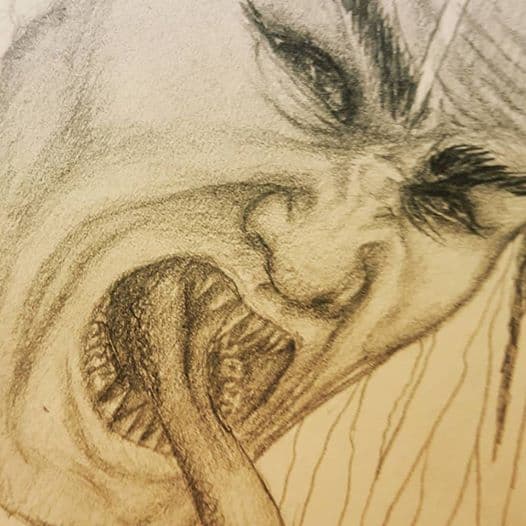
The Aswang is a broad category of malevolent, shape-shifting creatures in Filipino folklore, encompassing beings akin to vampires, ghouls, witches, and human-beast hybrids. These entities are deeply ingrained in Philippine mythology and are notorious for their predatory nature, often targeting vulnerable individuals and even fetuses. The Aswang is particularly feared for its ability to infiltrate human society and its behavior, which is seen as a stark inversion of traditional Filipino values.
Chort
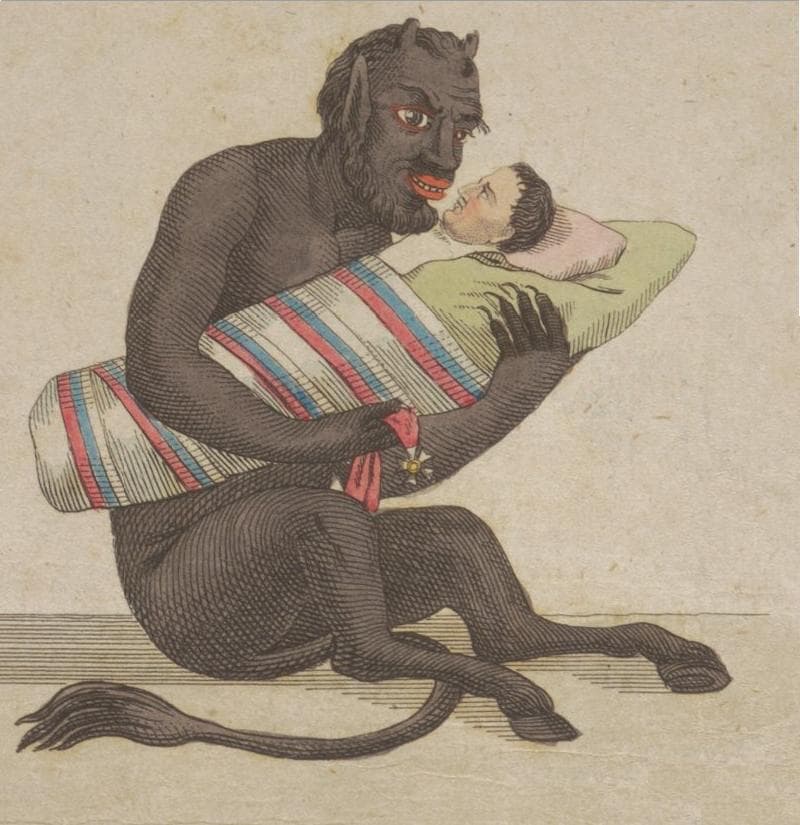
A chort is an anthropomorphic malign spirit or demon found in Slavic folk tradition, often depicted with Christian devil-like features such as horns, hooves, and a tail. In some traditions, a singular chort is considered a son of the god Chernobog and goddess Mara, and in folk Christianity, they are seen as lesser minions of Satan. The term also appears in various Russian curses and expressions denoting frustration or misfortune.