
Ala
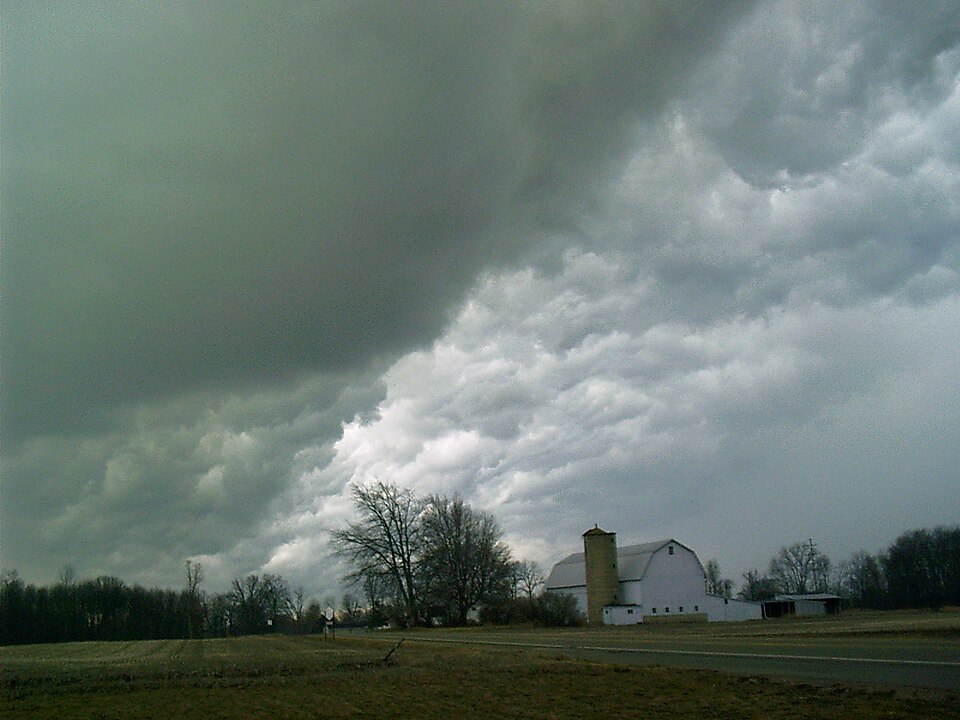
Ala are female mythological beings found in the folklore of Bulgarians, Macedonians, and Serbs, primarily associated with bad weather and destructive hail storms. They are depicted as exceptionally voracious demons, capable of devouring crops, children, and even the Sun or Moon, and are notable for their diverse appearances and the potential benefits they offer to those who approach them with respect.
Key Facts
- ›Ale are female demons of bad weather responsible for leading hail-producing thunderclouds to destroy crops.
- ›They are extremely voracious, often eating children, and are believed to sometimes attempt to devour the Sun or Moon, causing eclipses.
- ›Their appearance is diverse, ranging from black wind and indistinct giants to humanlike, snakelike, or dragon-like monsters, and they can assume various human or animal shapes.
- ›Ale are believed to live in clouds, lakes, mountains, caves, or gigantic trees.
- ›While generally hostile, their favor can be gained through respect, leading to personal enrichment and protection.
- ›Adversaries of ale include dragons, eagles, St. Elijah, and certain human figures known as aloviti men or zmajeviti men.
Hala
Bad Weather, Hailstorms, Crop Destruction, Eclipses, Voracity, Madness
Leading Hail-Producing Thunderclouds, Devouring Crops, Devouring Children and Celestial Bodies, Shapeshifting, Possessing Human Bodies, Causing Madness, Strength
South Slavic Folklore Collections, Serbian Folklore, Bulgarian Folklore, Macedonian Folklore
Dragons, Eagles, St. Elijah, St. Sava, Baba Yaga, Lamia, Vlva, Aloviti Men, Zmajeviti Men
Destruction, Chaos, Gluttony, Fear, Bad Luck, Fortune
- Magical Measures Were Used To Ward Off Ale, Including Specific Spells and the Placement of Items Like Bread, Salt, Knives, Axes, Fireplace Trivets, and Slava Candles On Tables.
- Certain Locations, Such As Levees and Plowed Field Edges, Were Considered Unclean Because Ale Visited Them.
- In Spells, Ale Could Be Addressed By Female Personal Names Like Smiljana, Kalina, Magdalena, Dobrica, Dragija, and Zagorka.
- Men Shot Guns Or Rang Bells, and Women Cast Spells Incessantly During Eclipses To Prevent Ale From Devouring the Sun.
Dragons, Eagles, St. Elijah, St. Sava, Zmajeviti Men, Aloviti Men, Aesculapian Snake
- Similar Bad Weather Demons Existed Among Other Slavic Groups, Such As Baba Yaga Among North Slavs.
- Pre-Slavic Balkan Influences Include the Romanian Vlva and the Greek Lamia, With the Term 'Lamnja' Being A Synonym For Ala In Some Regions.
Black Wind, Hail Clouds, Sun, Moon, Eagles, Cross, Wooden Spoon, Six-Fingered Hands and Feet, Iron Pitchforks, Black Young Bulls, Big Boars, Black Wolves
About Ala
What is an Ala?
An ala (plural: ali or ale) is a female mythological creature prominent in the folklore of Bulgarians, Macedonians, and Serbs. These beings are primarily recognized as demons of bad weather, whose malevolent purpose is to guide thunderclouds laden with hail towards cultivated lands such as fields, vineyards, and orchards, aiming to destroy or steal the crops.
Appearance and Nature
The physical description of an ala is remarkably diverse and often imprecise in folklore. They are depicted as a black wind, a colossal entity of indistinct form, a humanlike or snakelike monster with an enormous mouth, a dragoness, or even a raven. Ale possess the ability to assume various human or animal shapes, and can even inhabit the bodies of people. This variability in appearance is thought to stem from the ala being a synthesis of different demonic concepts from the region.
Domains of Influence and Abilities
Ale are exceptionally voracious, with a particular predilection for eating children. Their gluttony is not confined to earthly matters; they are believed to attempt to devour the Sun or the Moon, causing eclipses, which would signal the end of the world. Encountering an ala poses a significant threat to a person's mental and physical well-being, and even their life.
However, the folklore also suggests that an ala's favor can be earned through respectful and trusting approaches. Such a relationship is immensely beneficial, as an ala may bestow wealth upon her favorites and protect them during perilous times. Beyond crop destruction, ale are associated with spreading madness, causing eclipses, and their strength is such that they are believed to uproot trees during storms.
Adversaries and Protection
Despite their formidable nature, ale have powerful adversaries. Dragons are considered their principal enemies, capable of defeating them and negating their harmful effects. In Christianized traditions, Saint Elijah assumes this protective role, sometimes in cooperation with dragons. Eagles are also seen as defenders against ale, driving away hail clouds. Individuals known as 'aloviti men' and 'zmajeviti men' also possess abilities to combat ale.
Origin and Etymology
While specific demons of bad weather were common among Slavic groups, the ala appears to be exclusive to Bulgarian, Macedonian, and Serb traditions. Their origins are believed to be a blend of Slavic weather demon beliefs and those of the indigenous populations of the central Balkans, with potential influences from figures like the Romanian vlva and the Greek Lamia. The name 'ala' is thought to derive from the Greek word for hail, 'chalaza,' or from a Proto-South-Slavic root related to the fury of the elements.
Source: Wikipedia ↗
Frequently Asked Questions
What are Ale and where do they come from?
Ale are female mythological creatures from the folklore of Bulgarians, Macedonians, and Serbs. They are considered demons of bad weather, believed to originate from a synthesis of Slavic weather demons and pre-Slavic Balkan beliefs, possibly influenced by figures like the Greek Lamia.
What is the appearance of an Ala?
The appearance of an ala is varied and often vaguely described. They can manifest as a black wind, a gigantic creature of indistinct form, a humanlike or snakelike monster with a huge mouth, a dragoness, or a raven. They can also assume various human or animal shapes.
What do Ale do?
Ale's primary role is to lead hail-producing thunderclouds towards crops to destroy them, or to steal them. They are also known for their voracity, eating children and sometimes attempting to devour celestial bodies like the Sun and Moon, which would signify the end of the world.
How can people interact with Ale?
While ale are typically hostile, their favor can be gained by approaching them with respect and trust. Those who achieve a good relationship with an ala may be made rich and have their lives saved in times of trouble.
Who are the enemies of Ale?
Ale have several adversaries, including dragons, who are their principal enemies and can defeat them. Other protective figures include eagles, and in Christianized traditions, Saint Elijah.
What does the term 'aloviti men' refer to?
'Aloviti men' refers to men in Serbian folklore believed to possess ala-like properties. They are characterized by voracity, exceptional strength, or the ability to influence weather patterns, sometimes leading hail clouds over neighboring villages.
Related Demons
Aswang
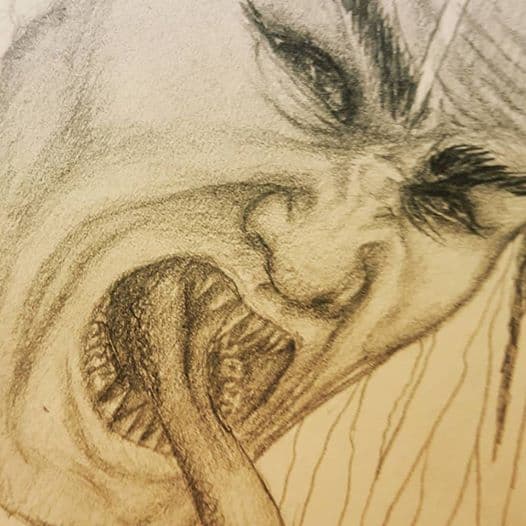
The Aswang is a broad category of malevolent, shape-shifting creatures in Filipino folklore, encompassing beings akin to vampires, ghouls, witches, and human-beast hybrids. These entities are deeply ingrained in Philippine mythology and are notorious for their predatory nature, often targeting vulnerable individuals and even fetuses. The Aswang is particularly feared for its ability to infiltrate human society and its behavior, which is seen as a stark inversion of traditional Filipino values.
Chort
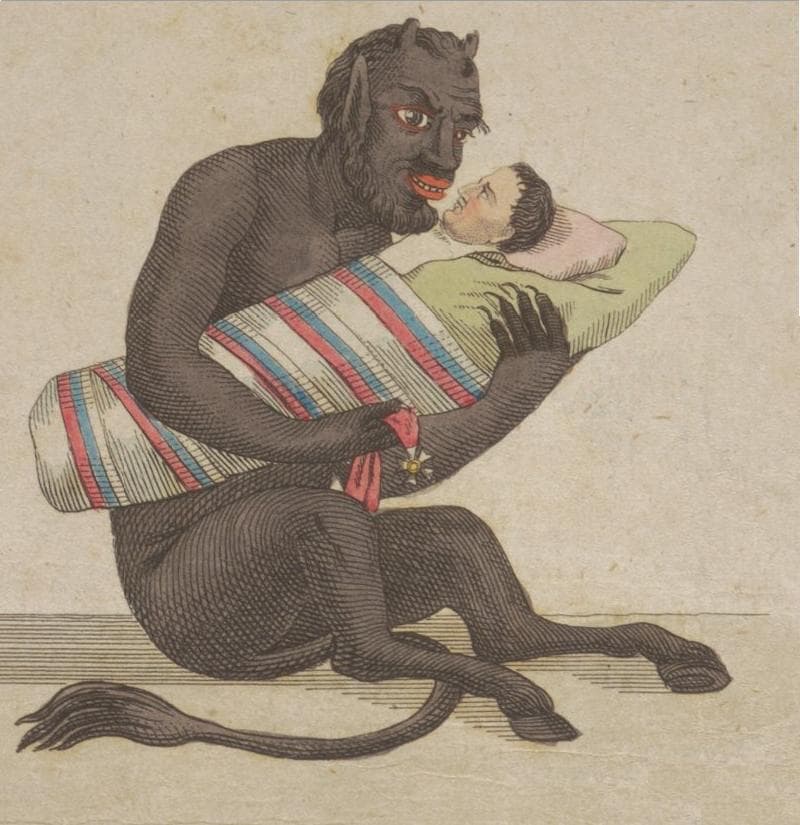
A chort is an anthropomorphic malign spirit or demon found in Slavic folk tradition, often depicted with Christian devil-like features such as horns, hooves, and a tail. In some traditions, a singular chort is considered a son of the god Chernobog and goddess Mara, and in folk Christianity, they are seen as lesser minions of Satan. The term also appears in various Russian curses and expressions denoting frustration or misfortune.
El Tío
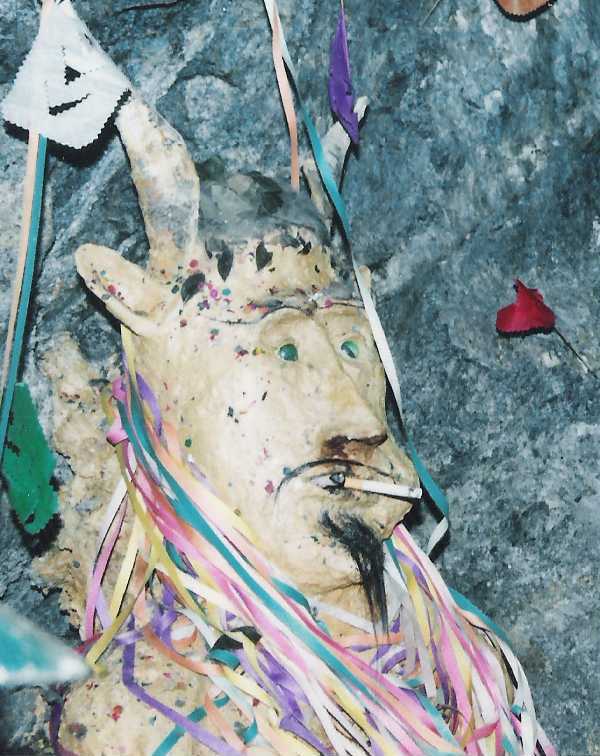
El Tío, meaning "The Uncle" in Spanish, is a legendary figure in Bolivian folklore, particularly associated with the mines of Cerro Rico in Potosí. He is revered as the lord of the underworld and a guardian spirit of the mines, dispensing both protection and destruction to the miners. El Tío's iconography and attributes are often linked to the Christian Devil, a fusion that arose during the colonial era.