
Akuma
Japanese folklore·Folklore·Japan·Evil spirit
An akuma is an evil spirit in Japanese folklore, sometimes referred to as a devil or demon. The term is also used in Japanese Christianity to denote Satan and in Japanese Buddhism for Mara. Akuma are often depicted as malevolent beings associated with misfortune and mental illness.
Key Facts
- ›Akuma are evil spirits found in Japanese folklore.
- ›An alternative name for akuma is ma.
- ›In Japanese Christianity, akuma is the translation for Satan.
- ›In Japanese Buddhism, akuma is the translation for Mara.
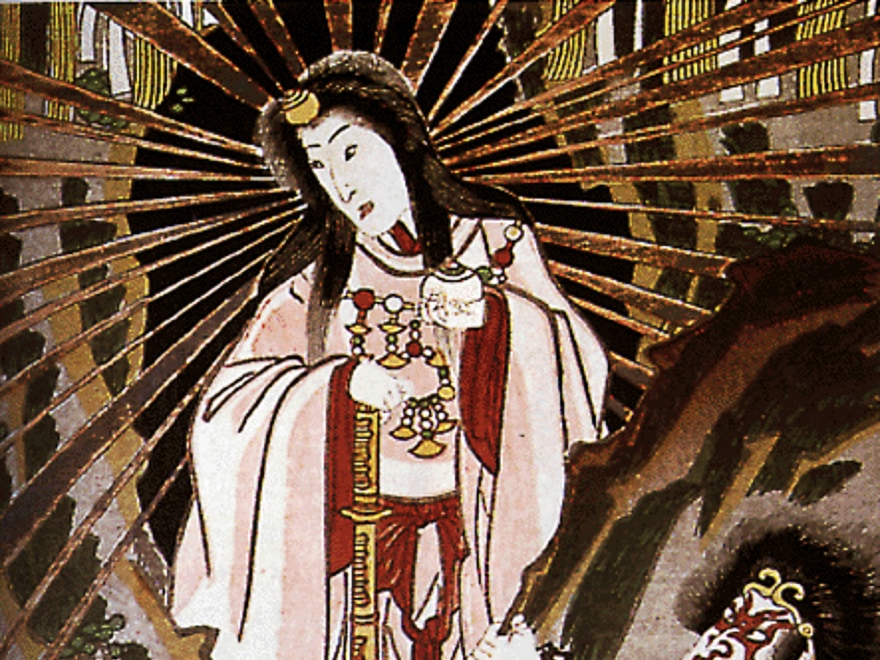
- ›Akuma are often depicted with a fiery head, flaming eyes, and carrying a sword.
- ›Seeing an akuma is traditionally considered a harbinger of misfortune.
Ma
Misfortune, Mental Illness
Buddhist Texts, Heian Period Literary Works
Satan, Mara
Evil, Misfortune
Fire, Flame, Sword
About Akuma
An akuma (悪魔(あくま)) is a figure from Japanese folklore, often described in English contexts as an evil spirit, devil, or demon. The term "akuma" also serves as the Japanese translation for Satan in Christianity and for Mara in Buddhism, highlighting its association with malevolent or obstructive spiritual forces.
Origins and Attestations
The earliest known uses of the word "akuma" are primarily found within Buddhist texts. The term also appears in Japanese literary works, particularly those composed during the Heian period (794–1185 AD). Following the introduction of Christianity to Japan, "akuma" became the established term for translating the concept of Satan.
Depiction and Associations
Akuma are typically depicted as beings possessing a fiery head and flaming eyes, often carrying a sword. Their appearance is commonly associated with being a harbinger of misfortune to those who encounter them. Furthermore, historical accounts indicate a traditional association between the presence of akuma and mental illness.
Source: Wikipedia ↗
Frequently Asked Questions
What is an akuma?
An akuma is an evil spirit originating from Japanese folklore. It can also be translated as 'devil' or 'demon' in English-language sources.
Are there other names for akuma?
Yes, an alternative name for akuma is 'ma'. The term 'akuma' is also used to refer to Satan in Japanese Christianity and Mara in Japanese Buddhism.
What is the appearance of an akuma?
Akuma are typically depicted as entities with a fiery head and flaming eyes. They are often shown carrying a sword.
What is the significance of seeing an akuma?
Traditionally, seeing an akuma is believed to be a harbinger of misfortune to the observer.
Is there a connection between akuma and mental illness?
Yes, there have been traditional associations of mental illness with the presence of akuma.
Related Demons

Oni
Oni are fearsome creatures from Japanese folklore, often depicted as monstrous ogres or demons with superhuman strength, horns, and a propensity for violence. They are associated with natural disasters and the underworld, but their image has softened over time, with some modern interpretations portraying them as protectors or even benevolent figures. Oni are notable for their enduring presence in Japanese art, literature, and popular culture, symbolizing both terror and, in some contexts, good fortune.
Baku
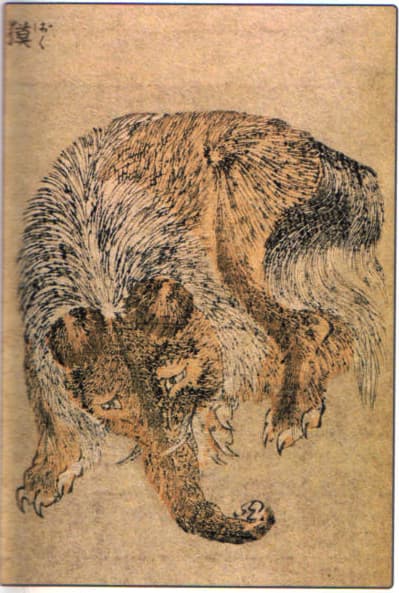
Baku are supernatural beings originating from Chinese folklore, known in Japan for their ability to devour nightmares. These creatures are said to have been formed from leftover pieces of divine creation, and they have a long history in Japanese folklore and art. While traditionally depicted as chimera-like beings, their form and specific attributes have evolved over time.
Jikininki
Jikininki, meaning "human-eating ghosts," are entities from Japanese folklore and Buddhism. They are the spirits of individuals who were greedy and selfish in life, cursed after death to consume human flesh and corpses. Their existence blurs the line between the living and the dead, and they are often depicted as shapeless beings that prey on the vulnerable.