
Oni
Oni are fearsome creatures from Japanese folklore, often depicted as monstrous ogres or demons with superhuman strength, horns, and a propensity for violence. They are associated with natural disasters and the underworld, but their image has softened over time, with some modern interpretations portraying them as protectors or even benevolent figures. Oni are notable for their enduring presence in Japanese art, literature, and popular culture, symbolizing both terror and, in some contexts, good fortune.
Key Facts
- ›Oni are a type of yōkai, demon, or ogre in Japanese folklore, typically depicted with horns, fangs, and massive strength.
- ›They are traditionally associated with malevolence, causing natural disasters like war and plague, and are believed to inhabit caves, mountains, or hell.
- ›Oni are often portrayed as eating humans in one mouthful, a concept known as 'onihitokuchi'.
- ›The character for oni (鬼) originated from the Chinese word for 'ghost' or 'soul of the dead' but evolved in Japan to represent a corporeal, evil being.
- ›Despite their fearsome nature, oni have also been linked to bringing good fortune and wealth in some traditions.
- ›They are popular characters in Japanese stories, art, and theatre, including fairytales like Momotarō.

Oni Mask, Red Oni, Japanese Ogre
Thunder, Lightning, War, Plague, Illness, Earthquakes, Eclipses, Calamities, Murder, Cannibalism
Superhuman Strength, Control Over Thunder and Lightning, Shape-Shifting To Deceive Victims, Enduring Physical Presence
Nihon RyōIki, the Tales of Ise, Konjaku Monogatarishū, ōEyama Ekotoba, Izumo No Kuni Fudoki, Nihon Shoki, Wamyō Ruijushō, Kojiki, Nihongi
Shuten-DōJi, Minamoto No Yorimitsu, King Yama, Momotarō, Issun-BōShi, Kobutori JīSan, Yaksha, Rakshasa, Gaki
Evil, Terror, Calamity, Wickedness, Good Fortune, Wealth, Misfortune
- the Bean-Throwing Custom During Setsubun Festival, Where Roasted Soybeans Are Cast While Shouting 'Oni Wa Soto! Fuku Wa Uchi!' To Drive Them Away.
- Charms Made of Holly Leaves and Dried Sardine Heads Used As A Guard Against Oni In Tottori Prefecture.
- Buildings May Have L-Shaped Indentations At the Northeast To Ward Against Oni.
- Oni-Faced Roof Tiles Called Onigawara Are Thought To Ward Away Bad Luck.
Monk On Mount Kurama, Momotarō and His Animal Companions, Holly Leaves and Dried Sardine Heads, Onigawara, the Phrase 'Oni Wa Soto! Fuku Wa Uchi!'
- the Chinese Character 鬼 Originally Meant 'Ghost' Or 'Soul of the Dead' and Is Not Necessarily Evil, Unlike the Japanese Oni.
- Oni Were Syncretized With Hindu-Buddhist Creatures Like Yaksha and Rakshasa.
- the Concept of the 'Demon Gate' In Chinese Taoism and Japanese OnmyōDō Influenced the Visual Depiction of Oni .
Horns, Fangs, Iron Kanabō Clubs, Tiger Pelt Loincloths, Red Skin, Blue Skin, Black Skin, Yellow Skin, Tiger, Ox
About Oni
Oni (鬼) are a prominent class of supernatural beings in Japanese folklore, widely recognized as yōkai, demons, ogres, or trolls. They are typically depicted as monstrous, often fearsome entities dwelling in remote locations such as caves, deep mountains, or the underworld.
Appearance and Nature
Traditionally, oni are characterized by their immense physical strength and a fearsome appearance. Common features include one or more horns protruding from their heads, sharp and massive teeth, and occasionally a third eye on the forehead. Their skin color is often depicted as red, blue, black, or yellow. They are frequently shown wearing loincloths made of tiger pelts and wielding iron clubs known as kanabō. Oni possess formidable powers, including the ability to cause natural disasters like war, plague, earthquakes, and eclipses, and are associated with destructive forces such as thunder and lightning. Their malevolent nature is further emphasized by their propensity for murder and cannibalism, with a notable depiction being their ability to consume humans in a single gulp, known as 'onihitokuchi'. Oni can also change their appearance to deceive humans, and while they can be male or female, they have historically been predominantly portrayed as male.
Origins and Evolution
The term 'oni' itself has evolved significantly. While the kanji character 鬼 was adopted from the Chinese word 'guǐ', which refers to invisible or formless spirits of the dead and is not necessarily evil, its meaning in Japan shifted. By the 10th century, Japanese dictionaries suggested 'oni' might be a corruption of the word 'on/onu' (隠), meaning 'to hide', reflecting their elusive nature. Early written accounts, such as the Izumo no Kuni Fudoki and Nihon Shoki, began to describe oni as corporeal beings rather than mere spirits. The influence of Buddhist mythology led to their syncretization with creatures like yaksha and rakshasa, casting them as wardens of Hell (Jigoku) who torment sinners. Some scholars suggest that the oni concept may be entirely rooted in Buddhist mythology. It is believed that only the wickedest souls transform into oni after death, or in rare cases, manifest as oni during life to cause trouble.
Cultural Significance and Modern Depictions
Oni have been a consistent presence in Japanese art, literature, and theater since the Heian period. Their image was solidified and popularized through legends such as that of Shuten-dōji, considered the most famous and strongest oni, whose defeat by Minamoto no Yorimitsu is a recurring theme. They are common antagonists in well-known fairytales like Momotarō (Peach Boy), Issun-bōshi, and Kobutori Jīsan. The northeastern direction, known as the 'kimon' or 'demon gate', is traditionally associated with oni, leading to architectural practices designed to ward them off, such as notched corners in buildings. A traditional custom practiced during the Setsubun festival involves throwing roasted soybeans and shouting, 'Oni wa soto! Fuku wa uchi!' ('Oni outside! Blessings inside!').
In modern times, the depiction of oni has become more nuanced. While they retain their iconic features like horns, their roles have broadened. They are now frequently portrayed in popular culture, including anime, manga, and video games, sometimes as benevolent characters, protectors, or even stock villains with less terrifying attributes. The Unicode emoji U+1F479 represents an oni, often labeled as a 'Japanese Ogre'. Despite their historical association with terror, oni in contemporary media often serve to explore diverse narrative themes, demonstrating their enduring cultural adaptability.
Source: Wikipedia ↗
Frequently Asked Questions
What are Oni in Japanese folklore?
Oni are a type of yōkai, often translated as ogres, demons, or trolls in Japanese folklore. They are known for their immense strength and monstrous appearance, typically featuring horns, sharp fangs, and immense physical power.
What do Oni look like?
Oni are usually depicted as hulking figures with one or more horns, large teeth, and sometimes a third eye. They are often shown with red, blue, black, or yellow skin, wearing tiger-skin loincloths, and carrying iron clubs called kanabō.
Are Oni always evil?
While traditionally depicted as evil beings associated with calamities, war, and cannibalism, the image of oni has softened in modern times. Some stories now portray them as protective figures or even benevolent entities.
Where do Oni live?
According to folklore, oni are believed to reside in caves, deep within mountains, or in hell. They are often associated with remote or dangerous places.
How are Oni represented in modern culture?
In modern Japanese popular culture, oni are frequently featured in anime, manga, video games, and other media. Their depictions vary widely, sometimes retaining their monstrous features and roles, while other times presenting them as less menacing or even heroic characters.
Related Demons
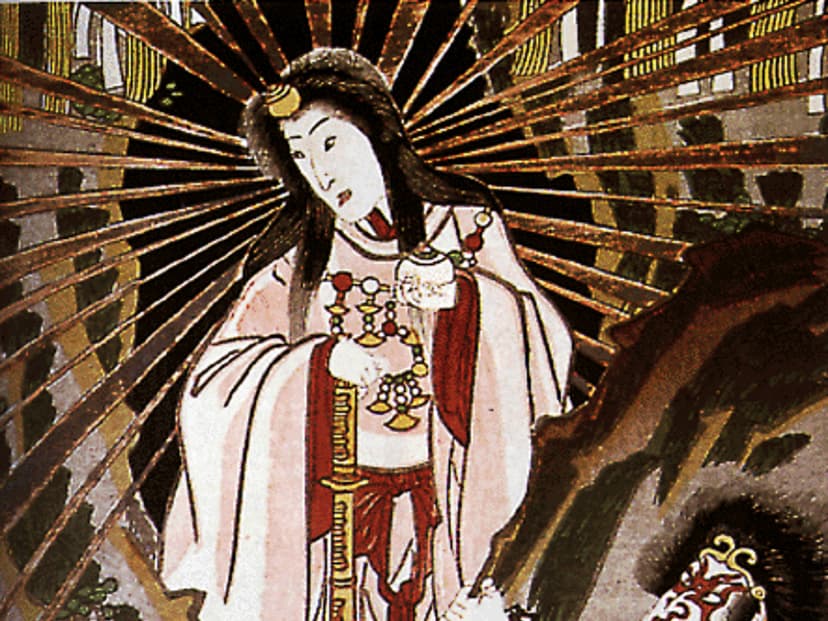
Akuma
An akuma is an evil spirit in Japanese folklore, sometimes referred to as a devil or demon. The term is also used in Japanese Christianity to denote Satan and in Japanese Buddhism for Mara. Akuma are often depicted as malevolent beings associated with misfortune and mental illness.
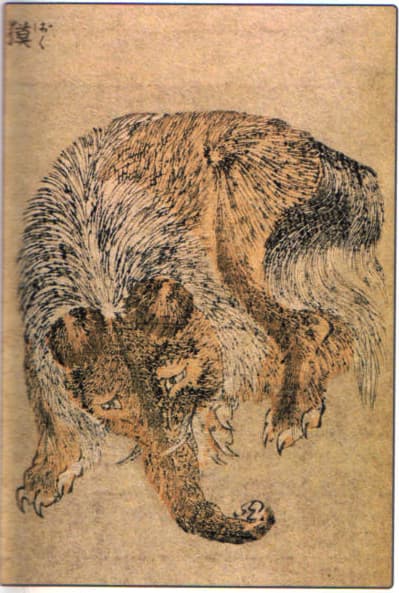
Baku
Baku are supernatural beings originating from Chinese folklore, known in Japan for their ability to devour nightmares. These creatures are said to have been formed from leftover pieces of divine creation, and they have a long history in Japanese folklore and art. While traditionally depicted as chimera-like beings, their form and specific attributes have evolved over time.
Jikininki
Jikininki, meaning "human-eating ghosts," are entities from Japanese folklore and Buddhism. They are the spirits of individuals who were greedy and selfish in life, cursed after death to consume human flesh and corpses. Their existence blurs the line between the living and the dead, and they are often depicted as shapeless beings that prey on the vulnerable.