
Jikininki
Jikininki, meaning "human-eating ghosts," are entities from Japanese folklore and Buddhism. They are the spirits of individuals who were greedy and selfish in life, cursed after death to consume human flesh and corpses. Their existence blurs the line between the living and the dead, and they are often depicted as shapeless beings that prey on the vulnerable.
Key Facts
- ›Jikininki translates to "human-eating ghosts" in Japanese.
- ›They are believed to be the spirits of greedy, selfish, or impious individuals.
- ›After death, they are cursed to eat humans and human corpses.
- ›Jikininki are similar to the concept of Gaki or Hungry Ghosts in Japanese Buddhism.
- ›Their dwellings are said to be invisible during the day, and they appear to lost travelers at night.
- ›They are often found near human settlements due to their need to devour humans.
食人鬼, Shokujinki, Human-Eating Ghosts
Consumption of Human Corpses, Suffering of the Damned
Shapeshifting, Devouring Corpses, Invisibility
- Kwaidan: Stories and Studies of Strange Things By Lafcadio Hearn
- Ugetsu Monogatari By Ueda Akinari
Muso, Old Priest
Greed, Selfishness, Impiousness, Consequences of A Wicked Life
- Segaki Requiem Service Is Mentioned As A Means To Escape the Jikininki Existence.
About Jikininki
Jikininki, a term translating to "human-eating ghosts," are spectral entities originating from Japanese folklore and Buddhist traditions. These beings are understood to be the spirits of individuals who, during their lives, exhibited profound greed, selfishness, or impiety. As a consequence of their earthly transgressions, they are cursed after death to a perpetual existence of consuming human flesh and, most notably, the corpses of the deceased.
Nature and Habits
The Jikininki are depicted as existing in an ambiguous state between the living and the dead. Their temporary abodes are said to be invisible during daylight hours, only manifesting to travelers who have become lost, particularly during the night. These spirits are often found in proximity to human settlements, driven by their grim necessity to feed upon humans. While they do not relish this act, the consumption of flesh temporarily alleviates the suffering inherent to their cursed state.
Literary and Religious Context
Jikininki share conceptual similarities with the Gaki, or Hungry Ghosts, prevalent in Japanese Buddhism, both representing spirits tormented by insatiable hunger stemming from past misdeeds. A notable literary appearance of the Jikininki is found in Lafcadio Hearn's "Kwaidan: Stories and Studies of Strange Things" (1904). A foundational narrative also appears in Ueda Akinari's "Ugetsu Monogatari" (Tales of a Rain Moon) from 1776, in a story titled "Aozukin."
One famous account involves a monk named Muso who encounters an old priest living in a hermitage. This priest, who had initially refused Muso lodging, later reveals himself to be a Jikininki. He explains that his selfish life as a priest, focused on personal gain rather than helping others, led to his cursed rebirth. The priest implores Muso to perform a Segaki Requiem service for him, a ritual intended to pacify hungry spirits, in hopes of escaping his tormenting existence. Upon the completion of the ritual, both the priest and his hermitage vanish, leaving Muso to find only a tombstone and the ruins of the structure, emphasizing the ephemeral and supernatural nature of the Jikininki.
Source: Wikipedia ↗
Frequently Asked Questions
What are Jikininki?
Jikininki are supernatural beings from Japanese folklore and Buddhism, often translated as 'human-eating ghosts.' They are believed to be the spirits of individuals who were excessively greedy or selfish during their lives.
What do Jikininki do?
Cursed after death, Jikininki are compelled to seek out and consume human flesh and corpses. This act is not done out of pleasure but rather to temporarily alleviate their suffering.
Where do Jikininki live?
Jikininki are described as existing between the realms of the living and the dead. Their homes are said to be invisible during the day, and they often linger near human settlements where they can find sustenance.
How are Jikininki similar to Hungry Ghosts?
In Japanese Buddhism, Jikininki are considered similar to Gaki, also known as Hungry Ghosts. Both concepts represent spirits suffering from insatiable hunger due to their past transgressions, particularly greed.
What is the story of Muso and the Jikininki?
The story of Muso tells of a traveling monk who encountered a being devouring a corpse. This being revealed itself to be an old priest transformed into a Jikininki due to his long, selfish life. The priest pleaded with Muso to perform a ritual to free him from his cursed existence.
Related Demons
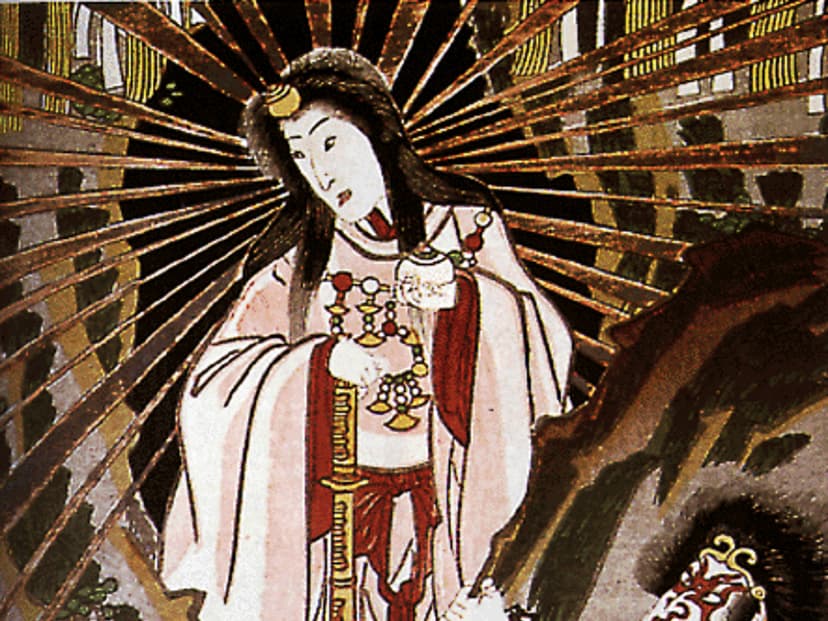
Akuma
An akuma is an evil spirit in Japanese folklore, sometimes referred to as a devil or demon. The term is also used in Japanese Christianity to denote Satan and in Japanese Buddhism for Mara. Akuma are often depicted as malevolent beings associated with misfortune and mental illness.
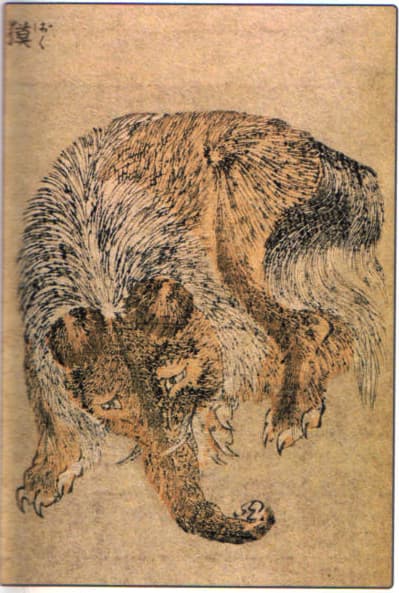
Baku
Baku are supernatural beings originating from Chinese folklore, known in Japan for their ability to devour nightmares. These creatures are said to have been formed from leftover pieces of divine creation, and they have a long history in Japanese folklore and art. While traditionally depicted as chimera-like beings, their form and specific attributes have evolved over time.

Oni
Oni are fearsome creatures from Japanese folklore, often depicted as monstrous ogres or demons with superhuman strength, horns, and a propensity for violence. They are associated with natural disasters and the underworld, but their image has softened over time, with some modern interpretations portraying them as protectors or even benevolent figures. Oni are notable for their enduring presence in Japanese art, literature, and popular culture, symbolizing both terror and, in some contexts, good fortune.