
Shodo Harada
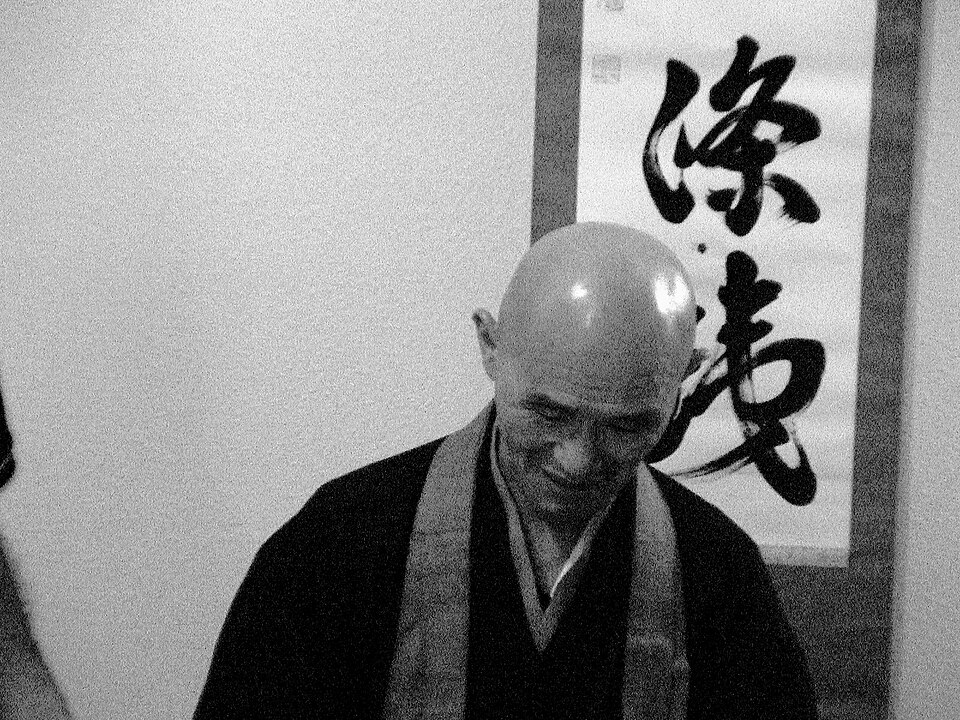
Shodo Harada, also known as Harada Roshi, is a prominent Rinzai Zen Buddhist priest, author, and calligrapher. He is the head abbot of Sōgen-ji temple in Okayama, Japan, and is recognized as a "teacher of teachers" whose influence extends globally through his teachings and the establishment of practice centers in the United States and Europe. Harada Roshi is known for his extensive writings and calligraphy, sharing Zen insights with a wide audience.
Key Facts
- ›Born August 26, 1940, in Nara, Japan.
- ›Head abbot of Sōgen-ji temple in Okayama, Japan.
- ›Received Dharma transmission from Rinzai Zen master Mumon Yamada in 1982.
- ›Founded Tahoma Sogenji Zen Monastery in Washington, USA.
- ›Established practice centers in India (Indozan Sogenji) and Germany (Hokuozan Sogenji).
- ›Authored several books on Zen Buddhism and calligraphy.
Important Relationships
- Mumon Yamada (teacher)
- Morning Dewdrops of the Mind: Teachings of A Contemporary Zen Master
- the Path To Bodhidharma: Teachings of Shodo Harada Roshi
- Moon By the Window: the Calligraphy and Zen Insights of Shodo Harada
- Not One Single Thing: A Commentary On the Platform Sutra
- SōGen-Ji, Okayama, Japan
- Tahoma Sogenji Zen Monastery, Whidbey Island, Washington, Usa
- Indozan Sogenji, Telangana, India
- Hokuozan Sogenji, Asendorf, Germany
- Enso House, Near Tahoma One Drop Monastery, Usa
- MyōShin-Ji
- Shofukuji
Mumon Yamada
English, Japanese
Bhikkhu
About Shodo Harada
Shodo Harada (born August 26, 1940), commonly known as Harada Roshi, is a respected Rinzai Zen Buddhist priest, author, and calligrapher. He holds the significant position of head abbot at Sōgen-ji, a temple in Okayama, Japan, with a history spanning three centuries. Harada Roshi has earned renown as a "teacher of teachers," attracting masters from diverse Buddhist lineages to participate in sesshin (intensive meditation retreats) with him, both in Japan and during his extensive travels to the United States and Europe.
Biography and Training
Born in Nara, Japan, Harada's encounter with his teacher, Mumon Yamada, while still in high school sparked his interest in Buddhism. Following college, he entered Shofukuji temple and commenced his Zen training in 1962 under the guidance of Mumon Yamada, a renowned Rinzai Zen master and calligrapher. Harada received Dharma transmission from Yamada in 1982. Later that year, he was dispatched by his teacher to Sōgen-ji to assist the aging abbot, a role that has led him to become the temple's current head abbot and a central figure in its training programs.
Global Reach and Teaching Pillars
Harada Roshi's influence extends globally through what are described as the "four pillars" of his teaching activities. In 1989, he began visiting the United States to provide instruction, leading to the founding of Tahoma Sogenji Zen Monastery on Whidbey Island, Washington, in 1995. This monastery replicates the practices observed at Sōgen-ji in Japan. The third pillar is Indozan Sogenji, located near Adilabad in Telangana, India, where Harada Roshi leads an annual sesshin in August. The fourth pillar is Hokuozan Sogenji in Asendorf, Germany, which serves as the hub for numerous "One Drop" groups across Europe, with Harada Roshi leading sesshins there several times a year. Adjacent to the Tahoma One Drop Monastery, he also established Enso House, a hospice, in 2001.
Notable Works and Influence
Harada Roshi is also recognized for his prolific output as an author and calligrapher. His published works, which often combine Zen teachings with his artistic expressions, include "Morning Dewdrops of the Mind: Teachings of a Contemporary Zen Master" (1993), "The Path to Bodhidharma: Teachings of Shodo Harada Roshi" (2000), "Moon by the Window: The Calligraphy and Zen Insights of Shodo Harada" (2011), and "Not One Single Thing: A Commentary on the Platform Sutra" (2018). His teachings have profoundly influenced many Western Buddhist teachers, including Hogen Bays, Jan Chozen Bays, Mitra Bishop, Alan Hozan Senauke, and Paul Haller. He notably performed the Jukai ceremony for Damien Echols, who began practicing Buddhism while incarcerated.
Source: Wikipedia ↗
Frequently Asked Questions
Who is Shodo Harada?
Shodo Harada, also known as Harada Roshi, is a Rinzai Zen Buddhist priest, author, calligrapher, and the head abbot of Sōgen-ji temple. He is highly regarded as a "teacher of teachers" within various Buddhist lineages.
Where is Sōgen-ji temple located?
Sōgen-ji temple, where Shodo Harada serves as head abbot, is located in Okayama, Japan. It is a historic temple with a three-hundred-year lineage.
What are Shodo Harada's notable works?
Shodo Harada has authored several books, including "Morning Dewdrops of the Mind," "The Path to Bodhidharma," "Moon by the Window: The Calligraphy and Zen Insights of Shodo Harada," and "Not One Single Thing: A Commentary on the Platform Sutra."
Has Shodo Harada established practice centers outside of Japan?
Yes, Harada Roshi has established significant practice centers internationally. These include Tahoma Sogenji Zen Monastery in Washington, USA, Indozan Sogenji in India, and Hokuozan Sogenji in Germany, serving as centers for his teachings and sesshin.
Who are some of the Western teachers influenced by Shodo Harada?
Several Western teachers study with Harada Roshi, including Hogen Bays, Jan Chozen Bays, Mitra Bishop, Alan Hozan Senauke, and Paul Haller. He also performed the Jukai ceremony for Damien Echols.
Related Buddhists

Keido Fukushima
Keidō Fukushima was a prominent Japanese Rinzai Zen master and head abbot of Tōfuku-ji in Kyoto. He significantly influenced the development of Rinzai Zen in the West by accepting Western students, including women, and conducting extensive teaching tours and retreats in the United States. Fukushima was also recognized for his authority in calligraphy and his efforts to support the reconstruction of historical monasteries in China.
Musō Soseki
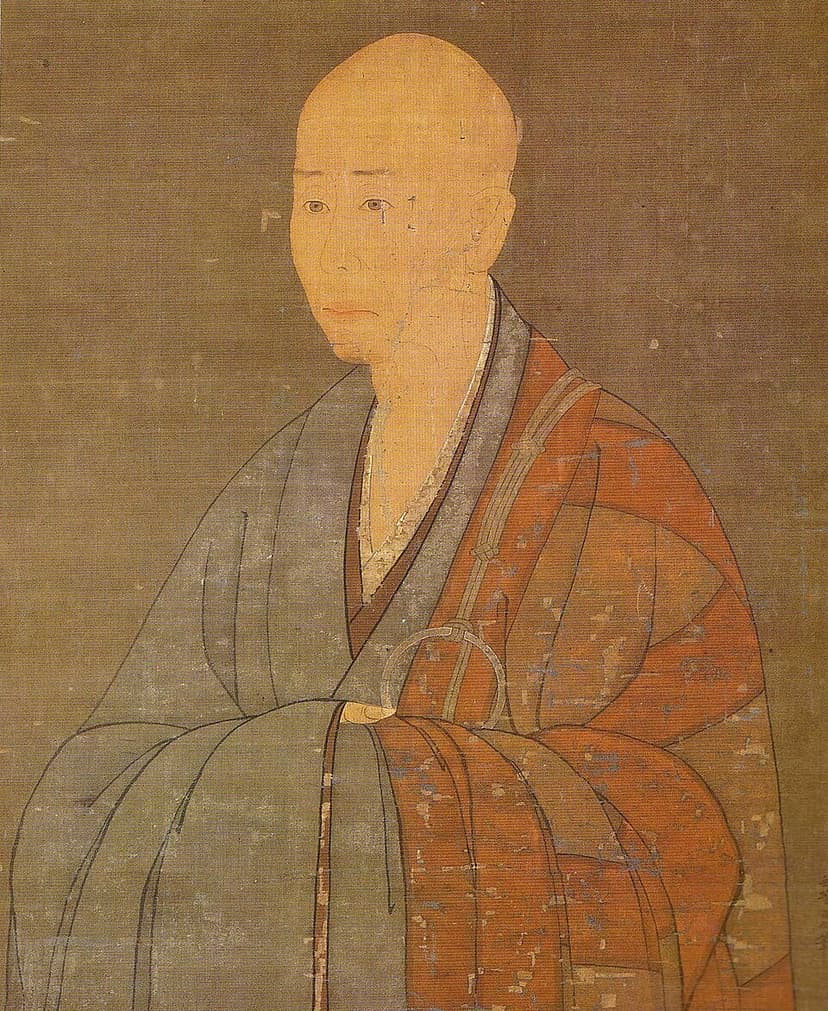
Musō Soseki was a prominent Rinzai Zen Buddhist monk, teacher, calligrapher, poet, and garden designer in 14th-century Japan. Revered as the most famous monk of his time, he received the honorific "Musō Kokushi" from Emperor Go-Daigo. He is celebrated for his significant contributions to Zen Buddhism, the development of the Five Mountain System, and the art of Japanese garden design, notably introducing concepts like "Zanzanjosui" and karesansui.
Ikkyū
Ikkyū Sōjun was a Japanese Zen Buddhist monk and poet renowned for his radical interpretation of Zen principles, often challenging monastic traditions and advocating for the integration of everyday life, including sexuality, into spiritual practice. His influence extended to Japanese art, literature, and the tea ceremony, and he remains a significant, albeit controversial, figure in Zen history, often depicted as a folk hero.