
Ikkyū
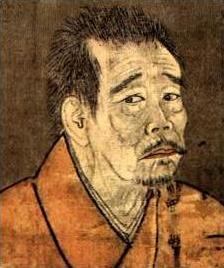
Ikkyū Sōjun was a Japanese Zen Buddhist monk and poet renowned for his radical interpretation of Zen principles, often challenging monastic traditions and advocating for the integration of everyday life, including sexuality, into spiritual practice. His influence extended to Japanese art, literature, and the tea ceremony, and he remains a significant, albeit controversial, figure in Zen history, often depicted as a folk hero.
Key Facts
- ›Born in 1394, Ikkyū is believed to be the son of Emperor Go-Komatsu and a court noblewoman.
- ›He studied Rinzai Zen and was critically outspoken about the perceived hypocrisy and social stratification within temples.
- ›Ikkyū achieved enlightenment through various experiences, including listening to music and the sound of a crow.
- ›He famously rejected formal Zen institutions and traditions, living as a vagabond and embracing sexuality as a spiritual practice.
- ›Ikkyū is credited with influencing the Fuke sect of Rinzai Zen, Japanese calligraphy, sumi-e art, and the tea ceremony.
- ›He died in 1481 at the age of 87, leaving behind a legacy as both a heretic and a saint within Zen Buddhism.
Important Relationships
- Emperor Go-Komatsu (father, disputed)
- Mori (lover)
- Kaso (master)
- Ken'o (master)
- Botetsu (master)
- Yoso (fellow student)
- Hell Courtesan (disciple)
Murasaki Reibo, Calling My Hand Mori's Hand
Kyoto, Ankoku-Ji Temple, Kennin-Ji Temple, Mibu-Dera Temple, Saikin-Ji Temple, Lake Biwa Region, Zenko-An Temple, Daitoku-Ji Temple
Linji Yixuan, Huineng
Classical Chinese
Monastic Precepts, Bodhisattva Vows
Folk Hero, Heretic
About Ikkyū
Ikkyū Sōjun (1394–1481)
Ikkyū Sōjun was a significant and often controversial figure in Japanese Zen Buddhism, known for his radical interpretation of Zen principles and his profound impact on Japanese art and literature. He challenged monastic traditions, including celibacy, and advocated for the integration of everyday life, and even sexuality, into spiritual practice. This unconventional approach led to him being viewed as both a heretic and a saint within the Zen tradition.
Life and Historical Context
Born in 1394 near Kyoto, Ikkyū is widely believed to be the illegitimate son of Emperor Go-Komatsu and a low-ranking court noblewoman. His early life was marked by separation from his mother and placement in a Rinzai Zen temple, Ankoku-ji, where he received a classical education in Chinese culture and language. He trained under various Zen masters, including Botetsu, Ken'o, and Kaso, at temples such as Kennin-ji and Daitoku-ji. These periods of training were often fraught with his dissatisfaction with the formal structures and perceived hypocrisies of temple life. Ikkyū experienced profound moments of enlightenment, sometimes triggered by seemingly ordinary events like music or the sound of a crow.
Radical Zen and Spiritual Practice
Ikkyū's most distinctive characteristic was his rejection of strict monastic rules and his embrace of a more holistic approach to Zen. He drew inspiration from Chinese Chan masters like Linji, emphasizing the fundamental value of human experience. For Ikkyū, everyday activities, including sexual pleasure, were not distractions from but rather potential pathways to enlightenment. He viewed passions as the means by which true enlightenment is forged and famously stated that a night of love play was superior to sterile meditation. This stance, along with his frequent visits to brothels and his association with the "Hell Courtesan," made him a deeply unconventional figure.
Legacy and Influence
Despite his challenges to institutional Zen, Ikkyū's influence was vast. He is considered a key figure in the Fuke sect of Rinzai Zen and is renowned as one of medieval Japan's greatest calligraphers and sumi-e artists. His impact is also felt in the Japanese tea ceremony. To the general populace, especially children, Ikkyū is a beloved folk hero, often depicted in popular culture as a wise and mischievous character who outsmarts authority figures. His poetry, written in classical Chinese, continues to be studied for its insight into Zen philosophy and its engagement with human experience.
Key Relationships and Works
Ikkyū had significant relationships with his masters, including Kaso, and a notable lifelong love affair with a blind singer named Mori. He also had a complex relationship with a fellow student named Yoso. While he famously refused to formally transmit his teachings through inka, his spiritual lineage is recognized through his disciples and the broader impact of his writings and art. Among his attributed works is the piece "Murasaki Reibo" and poems such as "Calling My Hand Mori's Hand."
Source: Wikipedia ↗
Frequently Asked Questions
Who was Ikkyū Sōjun?
Ikkyū Sōjun was a highly influential Japanese Zen Buddhist monk and poet who lived from 1394 to 1481. He is celebrated for his unconventional approach to Zen, which often involved challenging established monastic rules and integrating worldly experiences into spiritual practice.
What is Ikkyū Sōjun best known for?
Ikkyū is best known for his radical interpretation of Zen, which included breaking monastic precepts, advocating for the acceptance of sexuality as a form of spiritual practice, and his critical stance against the institutionalization of Buddhism. He is also recognized for his contributions to Japanese art and literature.
What was Ikkyū's approach to Zen practice?
Ikkyū believed that Zen should be lived outside of formal religious institutions and that everyday activities, including sexuality, could be pathways to enlightenment. He saw passions as the "anvil on which true enlightenment is forged" and considered sex to be a valid spiritual practice, even better than sterile meditation.
What is Ikkyū's legacy in Japanese culture?
Ikkyū is a significant figure in Zen history and is also considered a folk hero to Japanese children, often depicted as a mischievous character who outsmarts authority figures. His influence is seen in Japanese art, literature, the tea ceremony, and he is remembered as one of medieval Japan's greatest calligraphers and sumi-e artists.
Did Ikkyū hold any official positions within Zen Buddhism?
Although Ikkyū was elected abbot of Daitokuji late in his life, he reluctantly accepted the role and refused to give formal sanction or inka (certification of enlightenment) to any of his disciples. He explicitly stated that anyone claiming to have received his inka after his death should be prosecuted.
Related Buddhists

Ingen
Ingen Ryūki was a Chinese poet, calligrapher, and Linji Chan Buddhist monk who founded the Ōbaku school of Zen in Japan. He is credited with introducing the Ming style of calligraphy and the common bean to Japan. His influence led to the establishment of the prominent Ōbaku head temple, Manpuku-ji, in Uji, Kyoto.

Sesshū Tōyō
Sesshū Tōyō was a renowned Japanese Zen monk and painter of the Muromachi period, celebrated as a master of ink painting (suibokuga). His work, deeply influenced by Chinese landscapes and Zen Buddhist aesthetics, is characterized by flattened perspectives, emphatic lines, and monochrome ink washes, capturing the essence of nature and spiritual themes. Sesshū's distinctive style and profound spiritual insights led to his widespread influence, with many art schools considering him their founder.
Jamgon Kongtrul
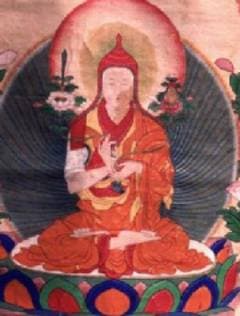
Jamgön Kongtrül Lodrö Thayé (1813–1899) was a highly influential Tibetan Buddhist scholar, poet, artist, physician, tertön, and polymath. He is renowned as one of the founders of the non-sectarian Rimé movement, which emphasized the preservation and study of all Buddhist traditions. His extensive writings, particularly "The Treasury of Knowledge," have had a profound and lasting impact on Tibetan Buddhism, especially within the Nyingma and Kagyu lineages.