
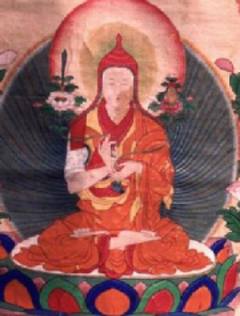
Jamgon Kongtrul
Tibet·Kagyu, Nyingma, Rimé·Male·19th century
Jamgön Kongtrül Lodrö Thayé (1813–1899) was a highly influential Tibetan Buddhist scholar, poet, artist, physician, tertön, and polymath. He is renowned as one of the founders of the non-sectarian Rimé movement, which emphasized the preservation and study of all Buddhist traditions. His extensive writings, particularly "The Treasury of Knowledge," have had a profound and lasting impact on Tibetan Buddhism, especially within the Nyingma and Kagyu lineages.
Key Facts
- ›Co-founder of the non-sectarian Rimé movement in Tibet.
- ›Authored "the Treasury of Knowledge," a comprehensive encyclopedia of Buddhist teachings.
- ›Composed over 90 volumes of Buddhist writings and other scholarly works.
- ›Studied and practiced primarily within the Kagyu and Nyingma traditions, but also engaged with other schools.
- ›Influential in religious and secular administration in Kham and eastern Tibet.
- ›His personal hermitage, Kunzang Dechen Osel Ling, became an important center for three-year retreats.
Important Relationships
- Jamyang Khyentse Wangpo
- Chogyur Lingpa
- Ju Mipham Gyatso
- Pema Nyinje Wangpo (Ninth Tai Situ)
- Rangjung Rigpe Dorje (16th Karmapa)
- Surmang Trungpa Chökyi Nyinche (10th Trungpa tulku)
- the Treasury of Knowledge
- the Treasury of Encyclopedic Knowledge
- the Treasury of Precious Instructions
- the Treasury of Kagyü Mantras
- the Treasury of Precious Termas
- the Uncommon Treasury
- the Treasury of Extensive Teachings
- the Autobiography of Jamgon Kongtrul: A Gem of Many Colors
Rongyab, Kham, Shechen Monastery, Palpung Monastery, Kunzang Dechen Osel Ling
Tibetan
Monk
Founder of Rimé Movement
About Jamgon Kongtrul
Jamgön Kongtrül Lodrö Thayé
Jamgön Kongtrül Lodrö Thayé (1813–1899), often referred to as Jamgön Kongtrül the Great, was a towering figure in 19th-century Tibetan Buddhism. He was a scholar, poet, artist, physician, tertön (treasure revealer), and polymath whose contributions profoundly shaped the intellectual and spiritual landscape of Tibet. Kongtrül is most famously recognized as one of the principal founders of the Rimé movement, a non-sectarian initiative dedicated to the preservation and study of all Tibetan Buddhist traditions, which he believed held unique value and deserved safeguarding.
Born in Rongyab, Kham, Kongtrül's early monastic life began at a Bon monastery before he was tonsured as a monk at the prominent Nyingma monastery of Shechen. He later moved to the Kagyu Palpung monastery, where he received extensive training in Buddhist philosophy, tantra, medicine, poetics, and Sanskrit. By the age of thirty, he had studied with over sixty masters from various schools of Tibetan Buddhism. While his primary affiliations were with the Kagyu and Nyingma traditions, he also engaged deeply with the teachings of other schools, demonstrating the inclusive spirit of the Rimé movement.
Kongtrül's prolific output includes over ninety volumes of Buddhist writings, with his magnum opus being "The Treasury of Knowledge." This encyclopedic work, presented in ten books, offers a comprehensive overview of Buddhist history, philosophy, and practice, encompassing both sutric and tantric teachings. His personal hermitage, Kunzang Dechen Osel Ling, established above Palpung monastery, became a vital center for intensive three-year retreats and where he composed many of his significant works. Kongtrül's influence extended beyond scholarship; he played a role in secular administration and diplomacy in Kham and eastern Tibet, and his efforts were crucial in preserving Palpung monastery during a period of conflict. His philosophical insights, particularly his articulation of the Shentong view of emptiness, continue to be studied and debated.
Through his extensive compilations and teachings, Jamgön Kongtrül Lodrö Thayé played a critical role in ensuring the survival and continued transmission of a vast array of Tibetan Buddhist knowledge, making him one of the most important figures in the history of Tibetan Buddhism.
Source: Wikipedia ↗
Frequently Asked Questions
Who was Jamgön Kongtrül Lodrö Thayé?
Jamgön Kongtrül Lodrö Thayé was a prominent 19th-century Tibetan Buddhist scholar, poet, artist, physician, and polymath. He is celebrated as a key figure in the Rimé movement, a non-sectarian approach to Tibetan Buddhism.
What is Jamgön Kongtrül known for?
He is primarily known for co-founding the Rimé movement and for compiling "The Five Great Treasuries," a vast collection of Buddhist teachings. His magnum opus, "The Treasury of Knowledge," is a comprehensive work covering the entirety of Buddhist history, philosophy, and practice.
What was the Rimé movement?
The Rimé movement, meaning 'non-sectarian' or 'impartial,' was an effort initiated by Jamgön Kongtrül and his contemporaries to preserve and study the diverse teachings of all Tibetan Buddhist lineages. It aimed to prevent valuable traditions from disappearing.
What is Jamgön Kongtrül's "Treasury of Knowledge" about?
"The Treasury of Knowledge" is a monumental ten-book encyclopedia that summarizes the entire sutric and tantric paths of Buddhism. It covers a vast range of topics including cosmology, the life of the Buddha, Buddhist doctrine, history, ethics, philosophy, and meditative practices.
What Buddhist traditions did Jamgön Kongtrül follow?
While Jamgön Kongtrül studied and practiced mainly within the Kagyu and Nyingma traditions, including Mahamudra and Dzogchen, he also engaged with and taught from other schools such as the Jonang Kalachakra. His Rimé approach encouraged respect for all traditions.
Where did Jamgön Kongtrül primarily live and work?
Jamgön Kongtrül was born in Rongyab, Kham, and later became a monk at Shechen Monastery and a student at Palpung Monastery. His personal hermitage, Kunzang Dechen Osel Ling, was built above Palpung Monastery, which became a significant center for his work.
Related Buddhists
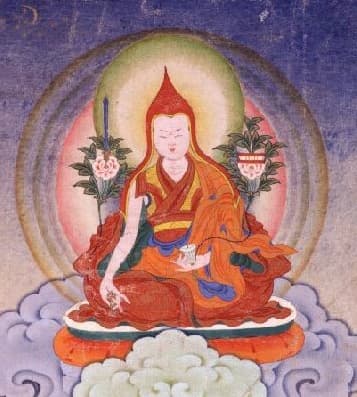
Jamyang Khyentse Wangpo
Jamyang Khyentse Wangpo (1820–1892) was a pivotal Tibetan Buddhist teacher, scholar, and tertön, most renowned for co-founding the Rimé movement. This movement aimed to preserve and revitalize the diverse lineages of Tibetan Buddhism, which were being marginalized by the dominant Gelug institutions. His efforts in collecting and disseminating rare teachings were crucial in safeguarding Buddhist traditions.
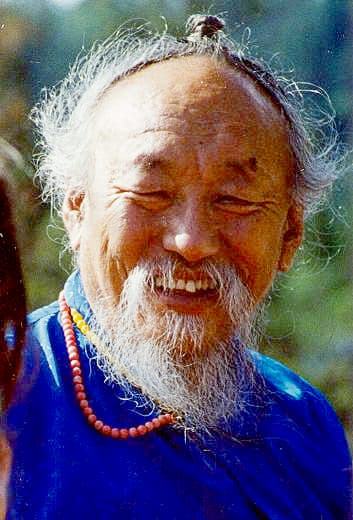
Chagdud Tulku Rinpoche
Chagdud Tulku Rinpoche was a highly respected Tibetan teacher of the Nyingma school of Vajrayana Buddhism. He was known in the West for his teachings, his artistic talents as a sculptor and painter, his melodic chanting voice, and his skill as a physician, acting as a spiritual guide for thousands of students.
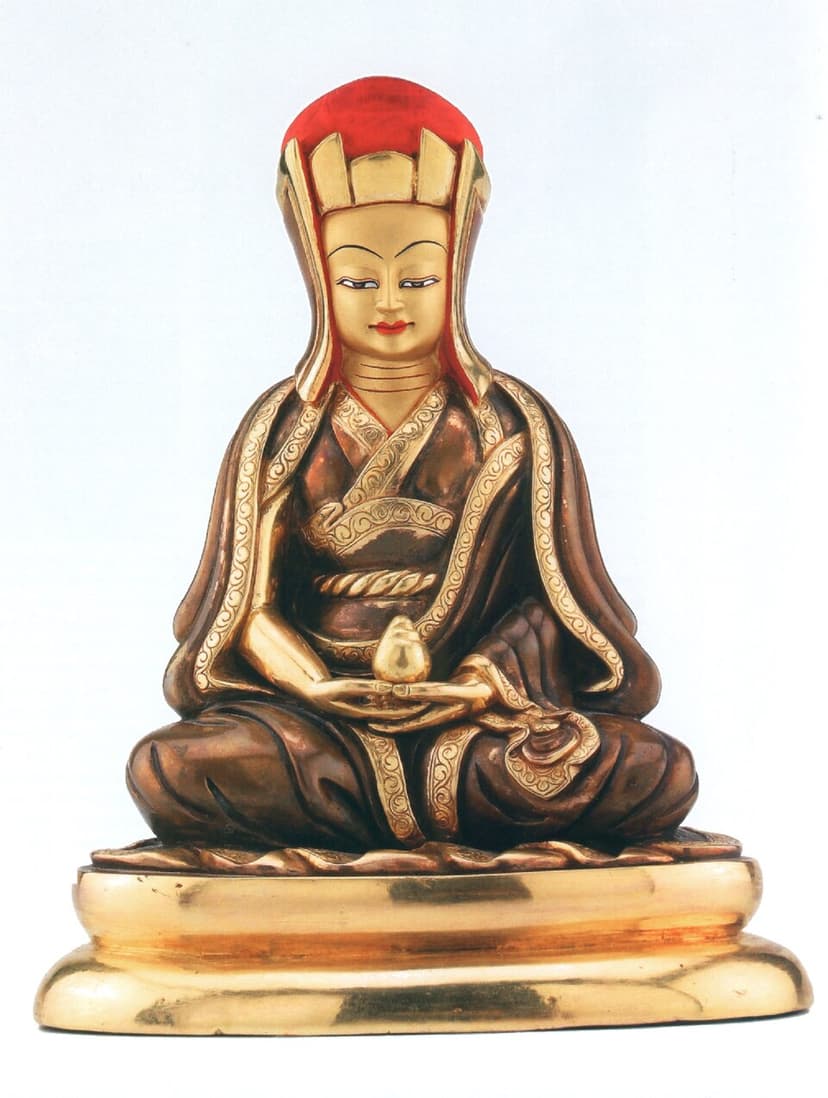
Gampopa
Gampopa Sönam Rinchen, known as the main student of Milarepa, was a pivotal Tibetan Buddhist master who established the foundation of the Kagyu educational tradition. He integrated the Kadampa teachings with Milarepa's Mahamudra practices, authoring the influential "Jewel Ornament of Liberation" and founding the Dagpo Kagyu school.