
Gampopa
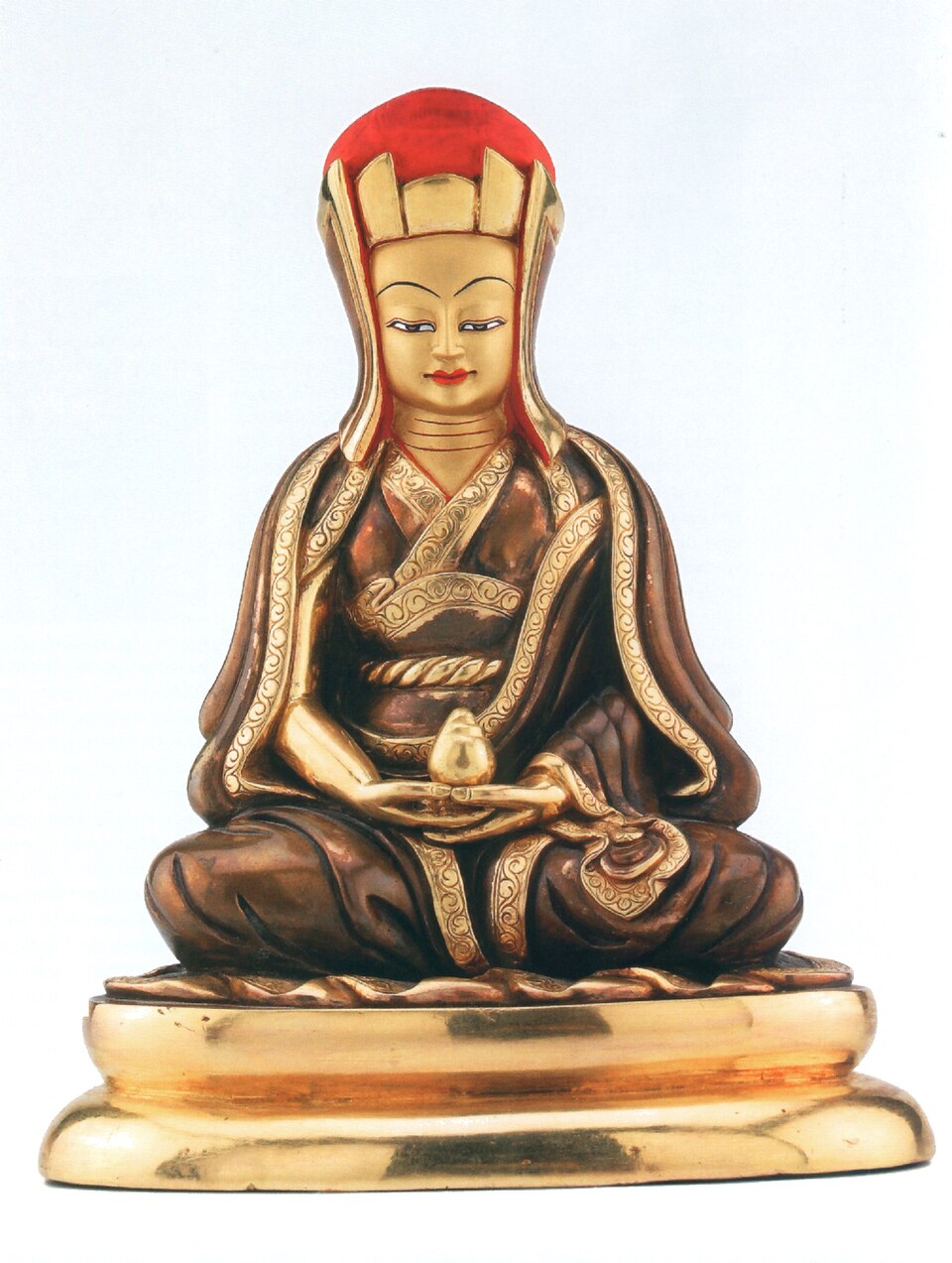
Gampopa Sönam Rinchen, known as the main student of Milarepa, was a pivotal Tibetan Buddhist master who established the foundation of the Kagyu educational tradition. He integrated the Kadampa teachings with Milarepa's Mahamudra practices, authoring the influential "Jewel Ornament of Liberation" and founding the Dagpo Kagyu school.
Key Facts
- ›Main student of the renowned yogi Milarepa.
- ›Codified Milarepa's ascetic teachings, forming the basis of the Kagyu tradition.
- ›Authored "Jewel Ornament of Liberation", the first Lamrim text.
- ›Founded the Dagpo Kagyu school.
- ›Was also a skilled physician and tantric master.
- ›Integrated Kadampa teachings with Mahamudra and tantric practices.
Important Relationships
- Milarepa (teacher)
- Geshe Yontan Drag (teacher)
- Barey (teacher)
- Geshe Lodan Sherab (teacher)
- Dakgom Tsültrim Nyingpo (nephew and successor)
Jewel Ornament of Liberation, the Four Dharmas In Brief, Dags Po'I Bka' 'Bum
Nyal District, Central Tibet, Dakpo Region, Southern Tibet, Gampo Hills, Daklha Gampo Monastery, Gyachak Ri Monastery
Milarepa, Kadampa Teachings, Mahamudra, AtiśA
Tibetan
Ordination, Kadampa Lineage Vows
About Gampopa
Gampopa Sönam Rinchen
Gampopa Sönam Rinchen (1079–1153), also known as Dakpo Lharjé, was a central figure in the Kagyu lineage of Tibetan Buddhism. He was the primary student of the renowned yogi Milarepa and is credited with synthesizing Milarepa's ascetic teachings with the Lamrim teachings of the Kadampa tradition. This integration formed the basis of the Kagyu educational system and established Gampopa as a pivotal master.
Life and Historical Context
Born in the Nyal district of Central Tibet, Gampopa initially trained as a physician. He later studied under various Nyingma and Kadampa lamas. After the death of his wife and child, he renounced lay life and took monastic ordination. He became a devoted student of Milarepa, receiving profound instructions in Mahamudra and other advanced yogic practices. Gampopa established Daklha Gampo Monastery in 1121 CE, which became a significant center for Buddhist learning and practice.
Teachings and Contributions
Gampopa authored "Jewel Ornament of Liberation," a seminal text that outlines the path to enlightenment and is considered a cornerstone of the Lamrim tradition. His teachings emphasized the integration of Kadampa methods with Mahamudra, offering both gradual and sudden approaches to realization. A key aspect of his doctrine is "The Four Dharmas of Gampopa," a framework for spiritual progress designed to transform confusion into wisdom. He also established the Dagpo Kagyu school, from which multiple major Kagyu sub-schools eventually emerged.
Legacy
As the "Five Founding Masters" of the Kagyu lineage are considered, Gampopa holds a crucial position after Milarepa. His codification of teachings and establishment of the Dagpo Kagyu school have had a lasting impact on Tibetan Buddhism, ensuring the continuation and dissemination of the Kagyu tradition through numerous lineages and commentaries by his students and their successors.
Source: Wikipedia ↗
Frequently Asked Questions
Who was Gampopa's primary teacher?
Gampopa's primary teacher was the famous Tibetan yogi Milarepa. He became Milarepa's most important student after seeking him out in his thirties.
What is Gampopa best known for in Buddhist teachings?
Gampopa is best known for his work "Jewel Ornament of Liberation," which is considered the first Lamrim text. He also established the Dagpo Kagyu school, which integrated the teachings of the Kadampa school with Milarepa's Mahamudra practices.
What is the significance of the "Five Founding Masters" in the Kagyu school?
The "Five Founding Masters" refers to the lineage of Mahamudra transmission from Tilopa, Naropa, Marpa, Milarepa, and finally Gampopa. This sequence highlights the unbroken line of teachings that Gampopa inherited and transmitted.
What are Gampopa's "Four Dharmas"?
Gampopa's "Four Dharmas" are a set of principles for spiritual practice: dharma to turn to dharma, dharma to turn into the path, the path to dispel confusion, and confusion to turn into wisdom. These are outlined in his text "The Four Dharmas in Brief" and guide practitioners toward enlightenment.
What contributions did Gampopa make to Tibetan medicine?
Gampopa was also a doctor and studied medicine from an early age in Indian, Chinese, and Tibetan medical traditions. His medical knowledge and practice are mentioned as part of his skills alongside his Buddhist teachings.
Related Buddhists
Jamgon Kongtrul
Jamgön Kongtrül Lodrö Thayé (1813–1899) was a highly influential Tibetan Buddhist scholar, poet, artist, physician, tertön, and polymath. He is renowned as one of the founders of the non-sectarian Rimé movement, which emphasized the preservation and study of all Buddhist traditions. His extensive writings, particularly "The Treasury of Knowledge," have had a profound and lasting impact on Tibetan Buddhism, especially within the Nyingma and Kagyu lineages.
Chagdud Tulku Rinpoche
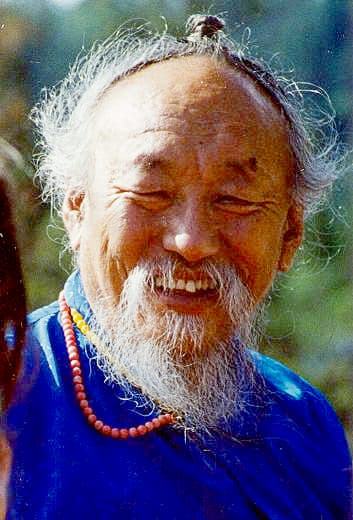
Chagdud Tulku Rinpoche was a highly respected Tibetan teacher of the Nyingma school of Vajrayana Buddhism. He was known in the West for his teachings, his artistic talents as a sculptor and painter, his melodic chanting voice, and his skill as a physician, acting as a spiritual guide for thousands of students.
Milarepa
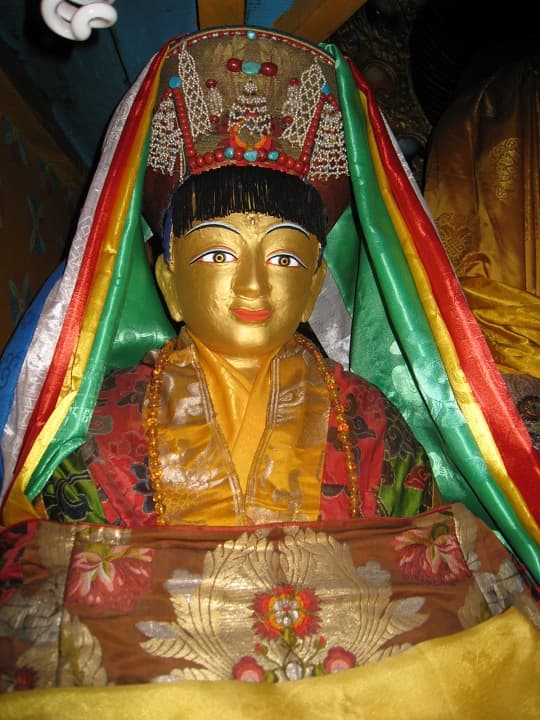
Milarepa was a renowned Tibetan siddha, yogi, and spiritual poet, celebrated for his profound teachings within various schools of Tibetan Buddhism. Initially known for sorcery and murder in his youth, he later dedicated himself to spiritual practice under his teacher Marpa the Translator, ultimately achieving realization and becoming an exemplar of religious dedication and mastery. His life story and collection of spiritual songs are foundational to the Kagyu lineage and Tibetan culture.