
Milarepa
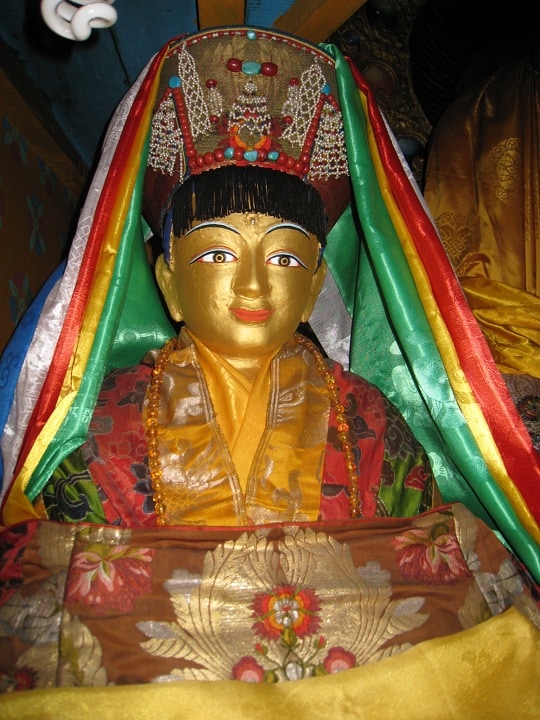
Milarepa was a renowned Tibetan siddha, yogi, and spiritual poet, celebrated for his profound teachings within various schools of Tibetan Buddhism. Initially known for sorcery and murder in his youth, he later dedicated himself to spiritual practice under his teacher Marpa the Translator, ultimately achieving realization and becoming an exemplar of religious dedication and mastery. His life story and collection of spiritual songs are foundational to the Kagyu lineage and Tibetan culture.
Key Facts
- ›Considered one of Tibet's most famous yogis and spiritual poets.
- ›A key figure in the Kagyu school of Tibetan Buddhism.
- ›Famous for the feat of climbing Mount Kailash.
- ›His spiritual poetry is collected in "the Hundred Thousand Songs of Milarepa."
- ›Venerated by all Tibetan schools as an exemplar of religious dedication and mastery.
- ›Achieved enlightenment in one lifetime through the rapid method of the Tantric path.
Important Relationships
- Marpa Lotsawa
- Gampopa
- Rechungpa
- Tsangnyön Heruka
the Hundred Thousand Songs of Milarepa
Mount Kailash, Lhodrag
Marpa Lotsawa, Naropa
Tibetan
About Milarepa
Jetsun Milarepa (1028/40–1111/23) is a revered figure in Tibetan Buddhism, celebrated as one of Tibet's most accomplished yogis and spiritual poets. His life story, though rich in hagiography, is deeply ingrained in Tibetan culture and provides a powerful example of spiritual transformation. Milarepa is a central figure in the history of the Kagyu school, known for his profound teachings and ascetic practices.
Life and Historical Context
Milarepa's life began in western Tibet within a prosperous family, but tragedy struck with his father's death, leading to his family's dispossession by his aunt and uncle. Driven by his mother's desire for revenge, Milarepa turned to sorcery and committed acts of violence, including murder. Later, experiencing profound remorse for his actions, he sought out Marpa the Translator, his principal guru. Marpa subjected Milarepa to severe trials, including building and demolishing several towers, as a means to purify his negative karma. Upon successfully completing these trials, Milarepa received tantric initiations and instructions, including those on tummo (yogic heat) and mahamudra, and was guided to practice solitary meditation in mountain retreats.
Milarepa is generally considered to have achieved enlightenment after years of dedicated practice. His life story illustrates the potential for profound transformation within the Buddhist path, demonstrating that even someone with a past of violence can attain spiritual realization. His teachings often emphasize fundamental Buddhist principles such as impermanence, the suffering of rebirth, and the certainty of death, while his life itself serves as a testament to the effectiveness of the Tantric path in achieving liberation within a single lifetime.
Major Contributions and Legacy
Milarepa is most famously known for his spiritual poetry, collected in "The Hundred Thousand Songs of Milarepa." These songs are a significant body of work that convey deep Buddhist insights and teachings, serving as a cornerstone of his spiritual legacy. He is also credited with the feat of climbing Mount Kailash. His life and teachings were instrumental in establishing the Kagyu lineage, with his most renowned student, Gampopa, playing a crucial role in its development and the founding of its four major branches. Milarepa is venerated across all Tibetan Buddhist schools as an exemplar of religious dedication and spiritual mastery.
Source: Wikipedia ↗
Frequently Asked Questions
Who was Milarepa?
Milarepa was a Tibetan siddha, yogi, and spiritual poet who lived between the 11th and 12th centuries. He is a highly revered figure in Tibetan Buddhism, particularly within the Kagyu school, known for his profound teachings and spiritual realization.
What is Milarepa known for?
Milarepa is known for his spiritual poetry, collected in "The Hundred Thousand Songs of Milarepa," and for his life story, which exemplifies the transformation from a murderer to a fully realized yogi. He is also famous for his ascetic practices and the spiritual lineage he established.
Who was Milarepa's teacher?
Milarepa's principal teacher was Marpa the Translator, a pivotal figure who brought tantric teachings from India to Tibet. Marpa subjected Milarepa to arduous trials and austerities, which Milarepa endured to purify his negative karma and receive profound initiations.
What is the significance of Milarepa's songs?
The Hundred Thousand Songs of Milarepa are acclaimed spiritual poems that convey Buddhist teachings and insights into the nature of reality. These songs are a significant part of his legacy, offering guidance and inspiration to practitioners of Tibetan Buddhism.
What is Milarepa's connection to the Kagyu school?
Milarepa is a major figure in the history of the Kagyu school of Tibetan Buddhism. His life story and teachings established the lineage of the Kagyu sect, and his most renowned student, Gampopa, founded its major branches.
Related Buddhists
Luipa
Luipa was a significant Buddhist mahasiddha and siddhacharya from the Pala Empire, active around the 10th century. He is recognized as one of the early poets of the Charyapada and a writer of various Buddhist texts. His name is often associated with consuming fish-guts, a practice he undertook to overcome pride and achieve enlightenment, and he became an exemplar for many later siddhas.
Marpa Lotsawa
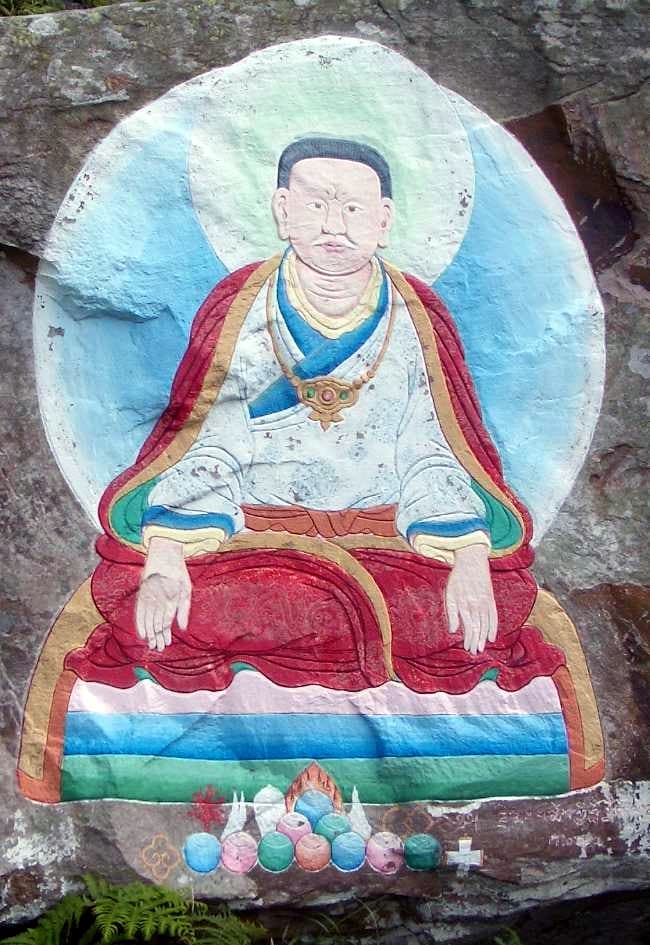
Marpa Lotsawa (1012–1097), also known as Marpa the Translator, was a pivotal Tibetan Buddhist teacher who played a crucial role in transmitting Vajrayana teachings, including Mahamudra, from India to Tibet. He founded the Kagyu lineage, often referred to as Marpa Kagyu in his honor, and is celebrated for his extensive translations and teachings that significantly contributed to the spread of Buddhism in Tibet.
Longchenpa
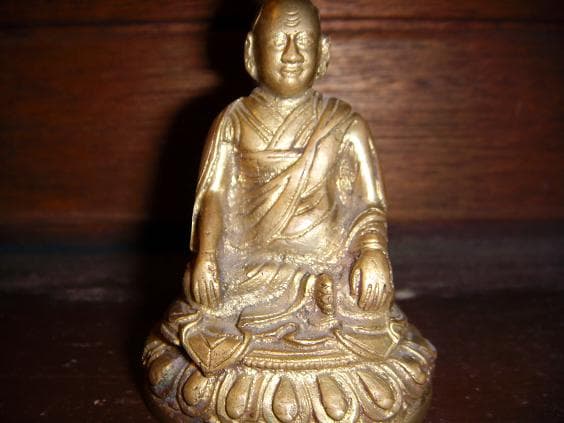
Longchenpa (1308–1364) was a preeminent Tibetan scholar-yogi of the Nyingma school, renowned for his systematization of Dzogchen, the Great Perfection, within Tibetan Buddhism. His extensive writings, including the influential Seven Treasuries, are considered definitive expressions of Dzogchen thought, integrating it with broader Buddhist scholasticism. He unified various Dzogchen traditions and is celebrated for his poetic literary style and his role as a Khenpo of Samye Monastery.