
Marpa Lotsawa
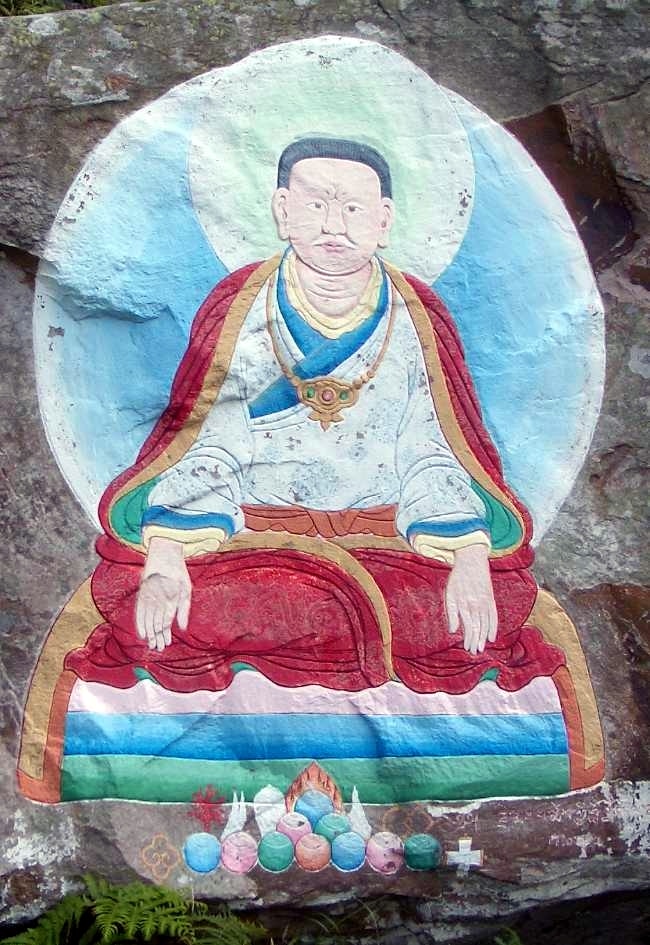
Marpa Lotsawa (1012–1097), also known as Marpa the Translator, was a pivotal Tibetan Buddhist teacher who played a crucial role in transmitting Vajrayana teachings, including Mahamudra, from India to Tibet. He founded the Kagyu lineage, often referred to as Marpa Kagyu in his honor, and is celebrated for his extensive translations and teachings that significantly contributed to the spread of Buddhism in Tibet.
Key Facts
- ›Founded the Kagyu lineage of Tibetan Buddhism.
- ›Credited with transmitting numerous Vajrayana teachings from India to Tibet.
- ›Studied with prominent Indian Buddhist masters, including Naropa and Maitripa.
- ›Undertook multiple journeys to India and Nepal to receive teachings.
- ›Translated many Buddhist scriptures into Tibetan.
- ›His lineage emphasized the "six Teachings of Naropa" and Mahamudra.
Important Relationships
- Milarepa (disciple)
- Darma Dode (son)
- Dakmema (wife)
Translations of Buddhist Scriptures, Teachings On the Six Teachings of Naropa, Teachings On Mahamudra
Lhodrak Chukhyer, Pullahari, Nalanda University, Phugtal Monastery, Zanskar, Stongdey Monastery
Naropa, Maitripa, Niguma, Drokmi Shakya Yeshe
Tibetan, Sanskrit
Lineage Founder
About Marpa Lotsawa
Marpa Lotsawa (1012–1097)
Marpa Lotsawa, also known as Marpa the Translator and Marpa Chökyi Lodrö, was a highly influential Tibetan Buddhist master and the founder of the Kagyu lineage. Born in Lhodrak Chukhyer in southern Tibet to an affluent family, Marpa displayed a wild nature in his youth but dedicated himself to rigorous study, mastering Sanskrit under Drokmi Shakya Yeshe.
Journeys to India and Nepal
Driven by a desire to study with renowned Indian Buddhist masters, Marpa embarked on several arduous journeys to Nepal and India. He first traveled with Nyo Lōtsawa, later converting his inheritance into gold to fund subsequent trips. During these expeditions, Marpa studied with prominent figures such as the Mahasiddhas Naropa and Maitripa, as well as other great gurus like Paindapa and Chitherpa. He spent significant periods in India, receiving profound teachings and transmissions, including those of Mahamudra and the "Six Teachings of Naropa."
Transmission of Teachings and Founding the Kagyu Lineage
Upon his return to Tibet, Marpa dedicated many years to translating Buddhist scriptures and disseminating the Vajrayana teachings he had received. Naropa prophesied that Marpa's spiritual lineage would be carried on by his disciples, and indeed, Marpa's teachings formed the bedrock of the Kagyu lineage, often referred to as Marpa Kagyu in his honor. His most celebrated disciple was Milarepa, who inherited the full transmission of Marpa's teachings after the death of Marpa's son, Darma Dode. Marpa also founded Stongdey Monastery in Zanskar.
Legacy
Marpa Lotsawa's tireless efforts in translating and transmitting Buddhist wisdom from India to Tibet were instrumental in the flourishing of Buddhism in the region. His emphasis on the "Six Teachings of Naropa," which included advanced meditation techniques, and the profound philosophical and meditative system of Mahamudra, continue to be central tenets of the Kagyu tradition.
Source: Wikipedia ↗
Frequently Asked Questions
Who was Marpa Lotsawa?
Marpa Lotsawa, also known as Marpa the Translator, was a highly influential Tibetan Buddhist teacher and the founder of the Kagyu lineage. He lived from 1012 to 1097 and is renowned for bringing numerous Vajrayana teachings from India to Tibet.
What is Marpa Lotsawa known for?
Marpa is primarily known for his role in transmitting Vajrayana Buddhist teachings, including Mahamudra and the "Six Teachings of Naropa," from India to Tibet. He also dedicated himself to translating Buddhist scriptures and establishing a significant spiritual lineage that continues to this day.
Who were Marpa Lotsawa's main teachers?
Marpa studied with several prominent Indian Buddhist masters. His key teachers included the Mahasiddha Maitripa and the dakini Niguma. He also studied with students of Naropa, such as Paindapa and Chitherpa, and eventually received teachings directly from Naropa himself.
What is the significance of the Kagyu lineage founded by Marpa?
The Kagyu lineage, often called Marpa Kagyu in his honor, is one of the major schools of Tibetan Buddhism. Marpa's transmission of teachings from Indian masters like Naropa and Maitripa formed the foundation of this lineage, which emphasizes both the "Six Teachings of Naropa" and the profound wisdom of Mahamudra.
Did Marpa Lotsawa have any notable disciples?
Yes, Marpa had many important disciples who helped spread his teachings. His most famous disciple was Milarepa, who inherited his lineage in full after the death of Marpa's son. Other significant students included Paindapa, Chitherpa, Shri Shantibhadra, and Kukuripa.
Related Buddhists
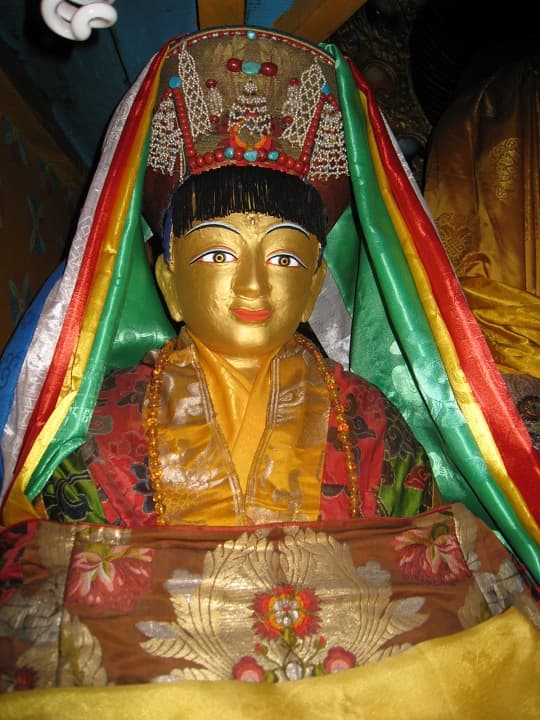
Milarepa
Milarepa was a renowned Tibetan siddha, yogi, and spiritual poet, celebrated for his profound teachings within various schools of Tibetan Buddhism. Initially known for sorcery and murder in his youth, he later dedicated himself to spiritual practice under his teacher Marpa the Translator, ultimately achieving realization and becoming an exemplar of religious dedication and mastery. His life story and collection of spiritual songs are foundational to the Kagyu lineage and Tibetan culture.
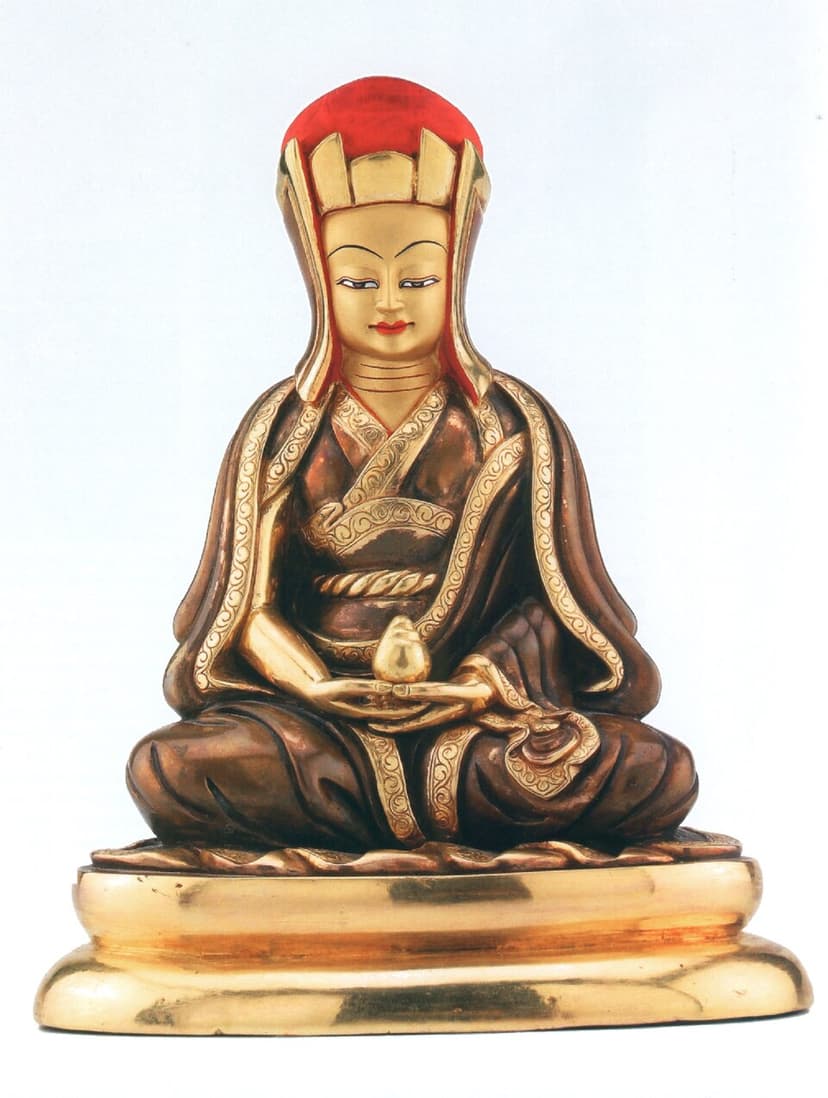
Gampopa
Gampopa Sönam Rinchen, known as the main student of Milarepa, was a pivotal Tibetan Buddhist master who established the foundation of the Kagyu educational tradition. He integrated the Kadampa teachings with Milarepa's Mahamudra practices, authoring the influential "Jewel Ornament of Liberation" and founding the Dagpo Kagyu school.
Rongzom Mahapandita
Rongzom Mahapandita, also known as Rongzom Chökyi Zangpo, was a preeminent scholar of the Nyingma school of Tibetan Buddhism. Celebrated for his extensive exoteric and esoteric commentaries, he is often counted among the Nyingma's three "omniscient" writers, alongside Longchenpa and Ju Mipham. His contemporary, Atiśa, regarded him as an incarnation of the Indian ācārya Kṛṣṇapāda.