
Jamyang Khyentse Wangpo
Tibet·Rimé movement (associated with Nyingma, Kagyu, Sakya, and Gelug traditions)·Male·19th century
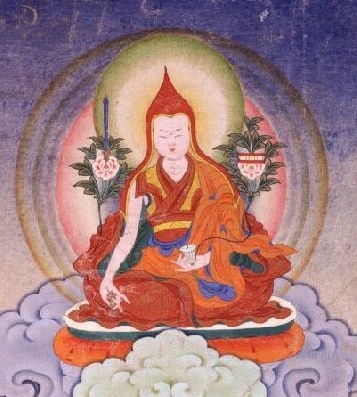
Jamyang Khyentse Wangpo (1820–1892) was a pivotal Tibetan Buddhist teacher, scholar, and tertön, most renowned for co-founding the Rimé movement. This movement aimed to preserve and revitalize the diverse lineages of Tibetan Buddhism, which were being marginalized by the dominant Gelug institutions. His efforts in collecting and disseminating rare teachings were crucial in safeguarding Buddhist traditions.
Key Facts
- ›Born in Derge, Kham, Tibet in 1820.
- ›Recognized as an incarnation of Jampa Namkha Chimé at age twelve.
- ›Co-founded the Rimé movement to preserve non-Gelug Buddhist traditions.
- ›Had over 150 teachers from all four major Tibetan Buddhist schools.
- ›Known by the tertön title Pema Ösel Dongak Lingpa.
- ›Died in 1892.
Important Relationships
- Jamgön Kongtrül Lodrö Thayé
- Jampa Namkha Chimé (previous incarnation)
- Thartse Khenchen Jampa Kunga Tendzin (recognizer)
- Minling Khenchen Rigdzin Zangpo (ordination teacher)
- Minling Trichen Gyurme Sangye Kunga (teacher)
Derge, Kham, Mindrolling Monastery, Dzongsar Monastery, Katok Monastery
Tibetan
Full Ordination
About Jamyang Khyentse Wangpo
Jamyang Khyentse Wangpo (1820–1892) was a highly influential Tibetan Buddhist teacher, scholar, and tertön who played a crucial role in the preservation and revitalization of Tibetan Buddhist traditions. He is best known as a co-founder of the Rimé movement, an ecumenical effort that aimed to collect, preserve, and disseminate the teachings of all the major schools of Tibetan Buddhism, particularly those that were at risk of disappearing.
Life and Historical Context
Born in Derge, Kham, in 1820, Jamyang Khyentse Wangpo was recognized at the age of twelve as the reincarnation of Jampa Namkha Chimé. He received extensive training from over 150 teachers representing the Nyingma, Kagyu, Sakya, and Gelug traditions. Witnessing the marginalization of non-Gelug schools within Tibetan society, he collaborated with Jamgön Kongtrül Lodrö Thayé to compile and print vast collections of rare texts, thereby safeguarding them from potential suppression. His efforts were particularly vital in ensuring the survival of Buddhism in Tibet following the Communist takeover.
Contributions and Legacy
Jamyang Khyentse Wangpo's primary contribution was the establishment and promotion of the Rimé movement. Through this movement, he ensured the continuity of numerous spiritual lineages and teachings. He also had a significant number of accomplished disciples, including prominent masters like Jamgon Kongtrul, Mipham Gyatso, and Dilgo Khyentse, who continued to propagate his teachings and the Rimé ideals. The recognition of his reincarnations, known as the Khyentse Tulkus, further highlights his enduring spiritual lineage.
Source: Wikipedia ↗
Frequently Asked Questions
Who was Jamyang Khyentse Wangpo?
Jamyang Khyentse Wangpo was a highly influential Tibetan Buddhist teacher, scholar, and tertön who lived from 1820 to 1892. He is considered one of the principal figures in the Rimé movement.
What was the Rimé movement and Jamyang Khyentse Wangpo's role in it?
The Rimé movement was an ecumenical movement in 19th-century Tibet that sought to preserve and promote the diverse teachings and traditions of Tibetan Buddhism, particularly those outside the dominant Gelug school. Jamyang Khyentse Wangpo, along with Jamgön Kongtrül Lodrö Thayé, was instrumental in compiling and preserving many near-extinct teachings from the Sakya, Kagyu, and Nyingma traditions.
What are some of Jamyang Khyentse Wangpo's significant achievements?
His most significant achievement was his role in co-founding the Rimé movement, which played a vital part in ensuring the survival of various Buddhist lineages. He also had numerous disciples who became important masters in their own right.
Who were some of Jamyang Khyentse Wangpo's notable disciples?
His disciples included prominent figures such as Jamgön Kongtrül, Jamgon Ju Mipham Gyatso, Dodrupchen Jikmé Tenpé Nyima, and various Karmapas and Tai Situpas, representing masters from multiple Tibetan Buddhist schools.
Was Jamyang Khyentse Wangpo considered a reincarnation?
Yes, at the age of twelve, he was recognized as the incarnation of Jampa Namkha Chimé. Furthermore, several tulkus, or recognized reincarnations, of Jamyang Khyentse Wangpo himself were later identified.
Related Buddhists
Jamgon Kongtrul
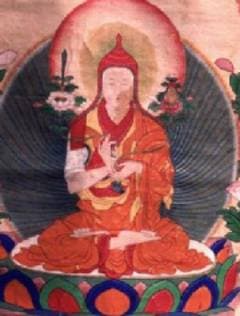
Jamgön Kongtrül Lodrö Thayé (1813–1899) was a highly influential Tibetan Buddhist scholar, poet, artist, physician, tertön, and polymath. He is renowned as one of the founders of the non-sectarian Rimé movement, which emphasized the preservation and study of all Buddhist traditions. His extensive writings, particularly "The Treasury of Knowledge," have had a profound and lasting impact on Tibetan Buddhism, especially within the Nyingma and Kagyu lineages.

Luang Por Dhammajayo
Luang Por Dhammajayo is a Thai Buddhist monk and the former abbot of Wat Phra Dhammakaya, known for his teachings on Dhammakaya meditation. He advocates for a blend of asceticism, meditation, modern ethics, and social prosperity, leading to significant influence in Thai society despite facing legal and governmental scrutiny. His approach emphasizes a return to purer Buddhist practices and the application of meditation for personal and societal well-being.
Dudjom Jigdral Yeshe Dorje
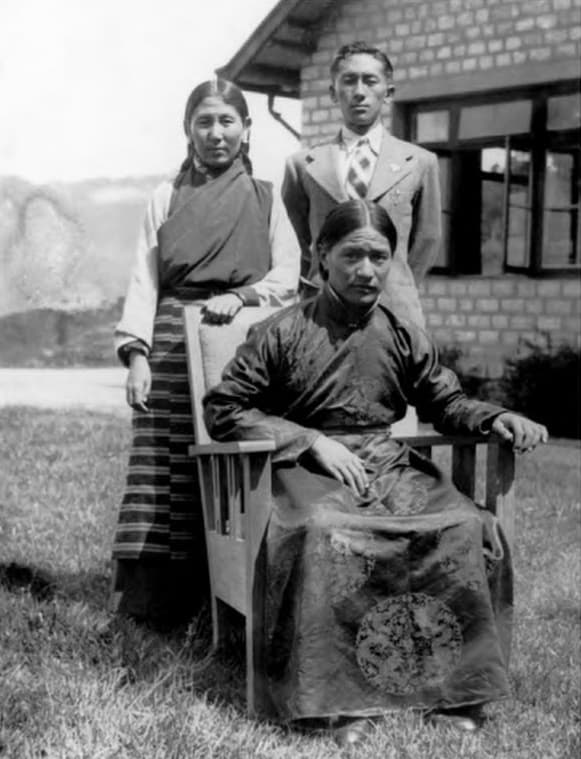
Kyabje Dudjom Rinpoche Jigdral Yeshe Dorje, known as Dudjom Rinpoche, was a highly revered master in the Nyingma school of Tibetan Buddhism. He was recognized as a reincarnation of previous tertons and Padmasambhava, and served as the first head of the Nyingma school in exile. Dudjom Rinpoche was a prolific author, scholar, yogi, and Vajrayana and Dzogchen master, instrumental in preserving and transmitting Tibetan Buddhist teachings to the West.