
Luang Por Dhammajayo
Luang Por Dhammajayo is a Thai Buddhist monk and the former abbot of Wat Phra Dhammakaya, known for his teachings on Dhammakaya meditation. He advocates for a blend of asceticism, meditation, modern ethics, and social prosperity, leading to significant influence in Thai society despite facing legal and governmental scrutiny. His approach emphasizes a return to purer Buddhist practices and the application of meditation for personal and societal well-being.
Key Facts
- ›Born Chaiyabun Suddhipol on April 22, 1944, in Sing Buri Province, Thailand.
- ›Ordained as a monk on August 27, 1969, receiving the monastic name 'Dhammajayo'.
- ›Co-founded Wat Phra Dhammakaya in 1970 with Maechi Chandra Khonnokyoong.
- ›Served as abbot of Wat Phra Dhammakaya from 1999 to 2006 and again from 2006 to 2011, and was later made honorary abbot.
- ›Received the World no Tobacco Day Award from the World Health Organization in 2004 for his anti-smoking campaign.
- ›Faced significant legal charges, including money-laundering and receiving stolen goods, following the 2014 coup D'état.

Important Relationships
- Maechi Chandra Khonnokyoong
- Luang Por Dattajivo
- Somdet Chuang Varapuñño
- Pearls of Inner Wisdom: Reflections On Buddhism, Peace, Life and Meditation
- Tomorrow the World Will Change: A Practice For All Humanity
- Journey To Joy: the Simple Path Towards A Happy Life
- Lovely Love
- At Last You Win
- Beyond Wisdom
Wat Phra Dhammakaya, Pathum Thani Province, Wat Paknam Bhasicharoen, Kasetsart University, Suankularb Wittayalai
Maechi Chandra Khonnokyoong, Luang Pu Sodh Candasaro
English, Thai
Lifelong Celibacy, Monastic Vows
About Luang Por Dhammajayo
Luang Por Dhammajayo, born Chaiyabun Suddhipol on April 22, 1944, is a significant Thai Buddhist monk and the former abbot of Wat Phra Dhammakaya. He is renowned as the primary teacher of Dhammakaya meditation, a practice that emphasizes achieving mental tranquility and is presented as beneficial for modern life. Luang Por Dhammajayo's teachings advocate for a synthesis of ascetic and meditative practices with contemporary personal ethics and the pursuit of social prosperity, making him an influential spiritual leader in Thai society.
Life and Historical Context
Born in Sing Buri Province, Luang Por Dhammajayo (then Chaiyabun) developed an early interest in Buddhism, influenced by his studies and encounters with monks. He met Maechi Chandra Khonnokyoong during his university years, from whom he learned extensively about Buddhist practice, particularly meditation. After graduating from Kasetsart University, he ordained as a monk in 1969, taking the name Dhammajayo, meaning 'The victor through Dhamma,' and vowing to advance Buddhism. In 1970, he co-founded Wat Phra Dhammakaya with Maechi Chandra and Luang Por Dattajivo, establishing a meditation center that grew into a prominent temple.
Major Contributions and Controversies
Under Luang Por Dhammajayo's leadership, Wat Phra Dhammakaya gained considerable popularity in the 1980s. He is credited with promoting Dhammakaya meditation and integrating Buddhist principles with modern living, emphasizing cleanliness, orderliness, and a strong work ethic. His approach also sought to present Buddhism as a neutral technique applicable to people of all faiths. However, the temple and Luang Por Dhammajayo faced significant criticism and legal challenges, particularly after the 1997 Asian financial crisis, concerning fundraising methods. Following the 2014 coup d'état, new charges were brought against him, including money-laundering, which have been described by some as politically motivated, leading to a prolonged standoff and his disappearance from public view.
Teachings and Legacy
Luang Por Dhammajayo's teachings focus on the practical application of meditation for personal development and societal benefit. He advocates for a return to what he perceives as purer forms of Buddhism, opposing practices like protective magic and prognostication. His modern approach to temple management and the popular appeal of Dhammakaya meditation, often described as a path to supreme happiness, have contributed to his enduring influence. Despite legal entanglements, he remains a central figure in the Dhammakaya tradition, with his teachings continuing to resonate with many followers.
Source: Wikipedia ↗
Frequently Asked Questions
Who is Luang Por Dhammajayo?
Luang Por Dhammajayo is a prominent Thai Buddhist monk and spiritual leader. He is widely recognized as the most well-known teacher of Dhammakaya meditation and was the abbot of Wat Phra Dhammakaya.
What is Dhammakaya meditation?
Dhammakaya meditation is a specific meditation technique taught by Luang Por Dhammajayo and associated with Wat Phra Dhammakaya. It is known for its emphasis on achieving a tranquil mind and is often presented as a practice that can improve health and modern life.
What is Wat Phra Dhammakaya?
Wat Phra Dhammakaya is a Buddhist temple in Pathum Thani province, Thailand, founded in 1970 by Luang Por Dhammajayo and Maechi Chandra Khonnokyoong. It became extremely popular in the 1980s and is known for its modern approach to temple management and its emphasis on meditation.
What controversies has Luang Por Dhammajayo faced?
Luang Por Dhammajayo has faced criticism and government scrutiny, including charges related to unorthodox fundraising methods in the late 1990s and later charges of conspiring in money-laundering and receiving stolen goods after the 2014 coup d'état.
What is Luang Por Dhammajayo's approach to Buddhism?
His approach seeks to combine the ascetic and meditative life with modern personal ethics and social prosperity. He emphasizes a return to purer Buddhist practices and views meditation as a path to personal and societal well-being.
Related Buddhists
Chandra Khonnokyoong
Chandra Khonnokyoong was a highly influential Thai maechi (nun) and meditation teacher, best known as the founder of Wat Phra Dhammakaya. Despite being illiterate, she was deeply respected for her profound meditation experience and attracted many educated students, challenging traditional views on the role of women in Thai Buddhism.
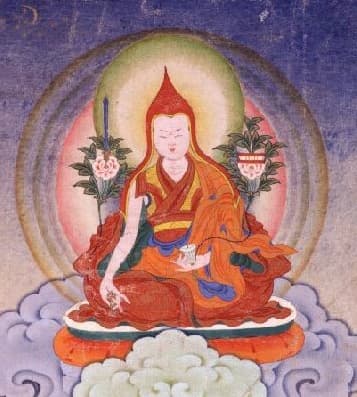
Jamyang Khyentse Wangpo
Jamyang Khyentse Wangpo (1820–1892) was a pivotal Tibetan Buddhist teacher, scholar, and tertön, most renowned for co-founding the Rimé movement. This movement aimed to preserve and revitalize the diverse lineages of Tibetan Buddhism, which were being marginalized by the dominant Gelug institutions. His efforts in collecting and disseminating rare teachings were crucial in safeguarding Buddhist traditions.
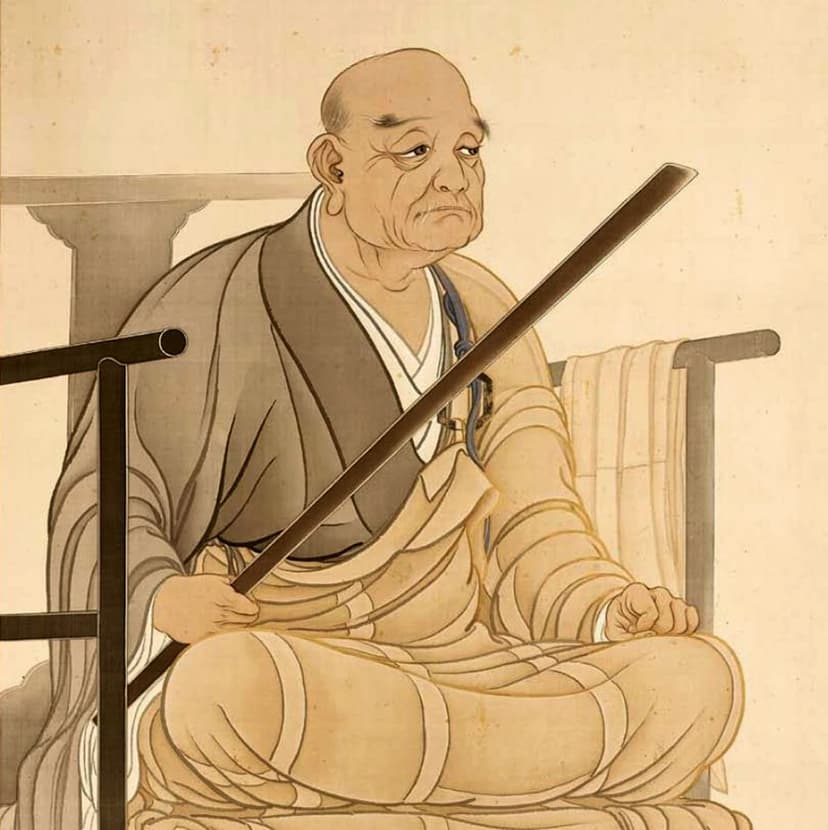
Mazu Daoyi
Mazu Daoyi was an influential Chan (Zen) Buddhist abbot during China's Tang dynasty, recognized as the founder of the Hongzhou school. He is famously known for his teachings, particularly "This Mind is Buddha" and "Ordinary Mind is the Way," which emphasized direct insight and the inherent Buddha-nature within everyday life. His teachings significantly shaped the development of Chan Buddhism, particularly during the "golden age" of the Tang dynasty.