
Luang Por Dattajivo
Thailand·Wat Phra Dhammakaya·Male·20th century
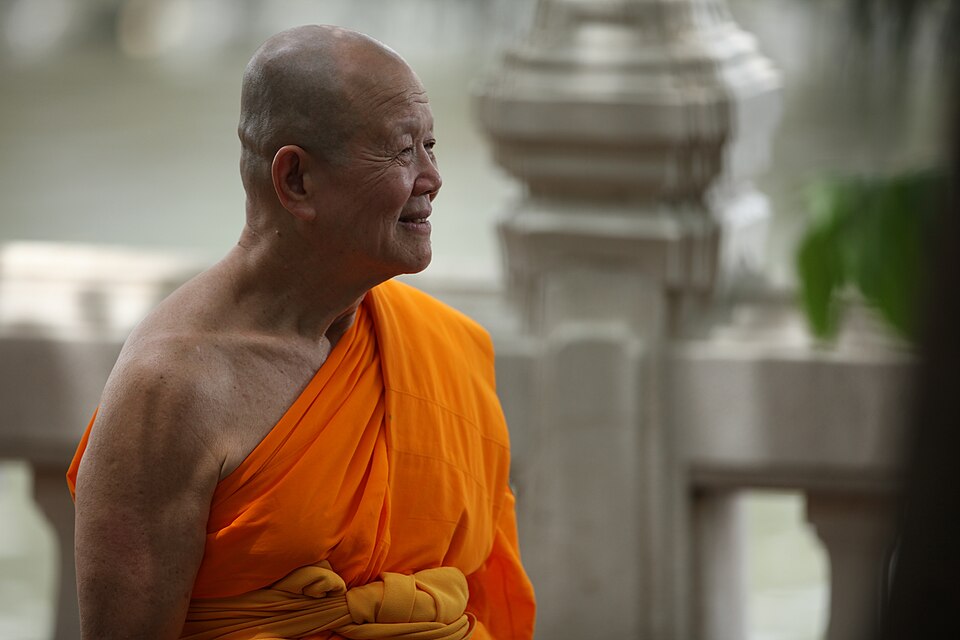
Luang Por Dattajivo is a prominent Thai Buddhist monk, widely recognized as the former deputy-abbot and observing abbot of Wat Phra Dhammakaya. He is known for his prolific authorship on Buddhist philosophy, particularly "Buddhist economics," and his significant role in the management and construction of Wat Phra Dhammakaya. His life has been deeply intertwined with his teachers, Mae chi Chandra Khonnokyoong and Luang Por Dhammajayo, and he has been a key figure in the Dhammakaya Foundation.
Key Facts
- ›Born Phadet Phongsawat in 1940 in Kanchanaburi, Thailand.
- ›Ordained in 1971 and became known as Luang Por Dattajivo, meaning "he who gives his soul [to Buddhism]".
- ›Held significant leadership roles at Wat Phra Dhammakaya, including deputy-abbot and observing abbot.
- ›Authored numerous books on Buddhist philosophy, including "Buddhist economics" and topics related to modern societal issues.
- ›Was charged by Thai authorities in 2017 for obstructing justice after refusing to hand over Luang Por Dhammajayo.
- ›Received ecclesiastical titles and an honorary degree for his contributions to Buddhist teaching and practice.
Important Relationships
- Mae chi Chandra Khonnokyoong
- Luang Por Dhammajayo
- Dhammakaya Foundation
- Wat Phra Dhammakaya
- Books On Buddhist Economics
- Writings On Contemporary Societal Issues and Child-Rearing
Wat Phra Dhammakaya, Kanchanaburi
Mae Chi Chandra Khonnokyoong, Luang Por Dhammajayo
Thai
Ordination Vows
Former Deputy-Abbot, Former Observing Abbot, Spiritual Teacher
About Luang Por Dattajivo
Luang Por Dattajivo, born Phadet Phongsawat on December 21, 1940, is a prominent Thai Buddhist monk and a significant figure within the Wat Phra Dhammakaya tradition. He is widely recognized for his extensive literary contributions, particularly his writings on "Buddhist economics," and for his substantial involvement in the administrative and developmental aspects of Wat Phra Dhammakaya, where he served as deputy-abbot and observing abbot for multiple terms.
Life and Historical Context
Born in Kanchanaburi to Vietnamese-Thai parents, Phadet Phongsawat pursued higher education in agricultural science, studying both in Thailand and Australia. His spiritual journey took a pivotal turn during his university years when he encountered Chaiyabun (later Luang Por Dhammajayo) and Mae chi Chandra Khonnokyoong, who became his lifelong teachers. This encounter led him to abandon his earlier involvement with black magic and embrace Buddhist practice. He was ordained as a monk in 1971, adopting the name Luang Por Dattajivo, which signifies dedication to Buddhism. His decision, along with that of Luang Por Dhammajayo, to pursue monastic life rather than secular careers was notable during that era.
Contributions and Role at Wat Phra Dhammakaya
Luang Por Dattajivo played a crucial role in the establishment and growth of Wat Phra Dhammakaya, overseeing its construction and fostering positive relationships with the local community. He has been a consistent advocate for the integration of Buddhist principles into contemporary life, speaking internationally on topics such as spirituality's role in social development and poverty alleviation. His prolific authorship includes numerous books in Thai, many of which have been translated into other languages, addressing modern challenges and exploring Buddhist perspectives on economics and personal development.
Legal Challenges and Recognition
In 2017, Luang Por Dattajivo faced charges from the Thai military junta for allegedly obstructing justice when he refused to surrender Luang Por Dhammajayo to authorities. These events occurred amidst broader political actions against the temple and its leadership. Despite these challenges, Luang Por Dattajivo has continued his duties, including overseeing the development of international branches of Wat Phra Dhammakaya. His earlier contributions were recognized with ecclesiastical titles from King Rama IX and an honorary degree, though one title was later rescinded. He also received an award from Princess Sirindhorn and a stupa was built in his honor.
Source: Wikipedia ↗
Frequently Asked Questions
Who is Luang Por Dattajivo?
Luang Por Dattajivo, born Phadet Phongsawat, is a Thai Buddhist monk. He is notable for his role as the former deputy-abbot and observing abbot of Wat Phra Dhammakaya and as the vice-president of the Dhammakaya Foundation.
What is Luang Por Dattajivo known for?
He is known for his prolific writing on Buddhist philosophy, particularly "Buddhist economics," and for his significant involvement in the management and construction of Wat Phra Dhammakaya. He also played a key role in international outreach for the temple.
What is Luang Por Dattajivo's connection to Luang Por Dhammajayo?
Luang Por Dattajivo met Luang Por Dhammajayo (then Chaiyabun) in his student years. They developed a deep friendship and spiritual bond, with Luang Por Dhammajayo becoming a significant teacher and lifelong companion, and they co-founded Wat Phra Dhammakaya.
What led to Luang Por Dattajivo being charged by authorities?
In 2017, Luang Por Dattajivo was charged with obstructing authorities when he refused to deliver Luang Por Dhammajayo to the Thai military junta. The temple stated they did not trust the authorities, and Luang Por Dattajivo did not participate in negotiations.
What are some of Luang Por Dattajivo's notable works or teachings?
Luang Por Dattajivo is a prolific author whose books often address contemporary problems, such as child-rearing, and explore economics from a Buddhist philosophical perspective, relating it to personal development qualities like mindfulness and contentment.
Related Buddhists
Nan Huai-Chin
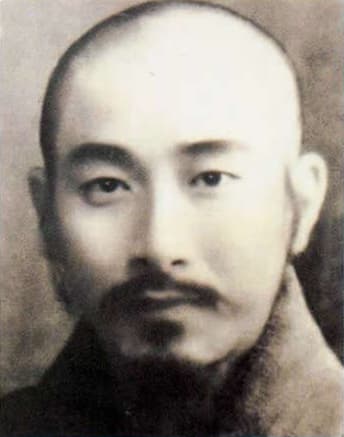
Nan Huai-Chin was a prominent Chinese Buddhist monk, religious scholar, and writer who became a major force in the revival of Chinese Buddhism in the contemporary era. He was a highly respected spiritual teacher, particularly influential in Chan and Vajrayana Buddhism, though his fame was largely confined to the Chinese cultural sphere. Nan authored numerous books that achieved significant popularity, selling millions of copies and becoming standard university references.
Rajguru Aggavamsa Mahathera
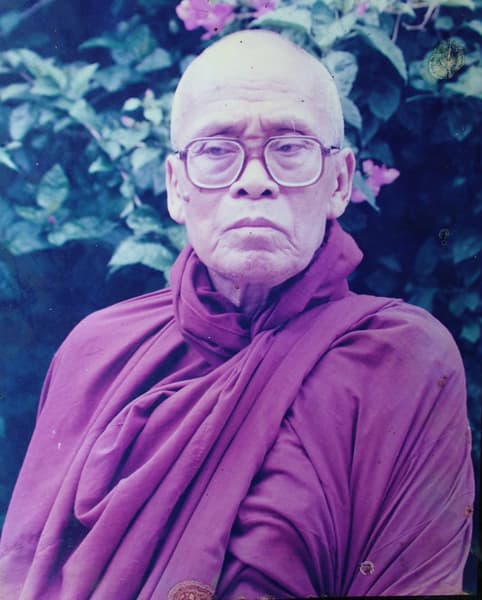
Rajguru Aggavamsa Mahathera was a prominent Buddhist scholar and spiritual leader from the Chittagong Hill Tracts, recognized for his extensive study of Tipitaka literature and his efforts in reviving Theravada Buddhism in his homeland. He participated in the Sixth Buddhist Council in 1956 and received numerous honors for his contributions to Buddhist scholarship and social reform, including being appointed Chakma Rajguru.
Frank Lee Woodward
Frank Lee Woodward was an English educationist, Pali scholar, author, and theosophist known for his extensive research and translation work on Theravada Buddhism. He is highly regarded for compiling a significant concordance of the Pali canon by translating numerous Pali texts into English. Woodward also served as the principal of Mahinda College in Ceylon for 16 years, significantly contributing to its development and the promotion of Buddhist education.