
Nan Huai-Chin
China·Chan Buddhism, Vajrayana Buddhism·Male·20th century
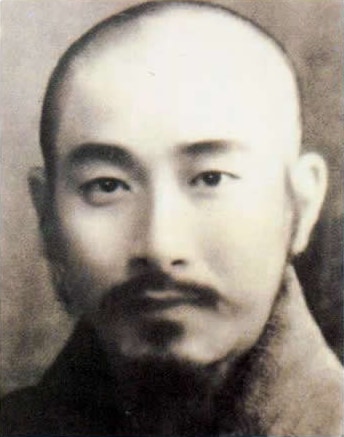
Nan Huai-Chin was a prominent Chinese Buddhist monk, religious scholar, and writer who became a major force in the revival of Chinese Buddhism in the contemporary era. He was a highly respected spiritual teacher, particularly influential in Chan and Vajrayana Buddhism, though his fame was largely confined to the Chinese cultural sphere. Nan authored numerous books that achieved significant popularity, selling millions of copies and becoming standard university references.
Key Facts
- ›Born March 18, 1918, in Yueqing county, Zhejiang province, China.
- ›Received a classical education in Confucian and Daoist works, alongside traditional Chinese medicine and arts.
- ›Served as a military commander during the Second Sino-Japanese War before dedicating himself to Buddhist studies.
- ›Undertook a three-year meditation retreat in the Emei Mountains starting in 1942.
- ›Received the title 'Vajra Master' from the 9th Gangkar Rinpoche of the Kagyu school.
- ›Authored over 40 books, with more than 20 million copies sold in Chinese-speaking countries.
Important Relationships
- Yuan Huanxian (primary teacher)
- 9th Gangkar Rinpoche (teacher)
- Jia Yibin (student, mediator)
- Lee Teng-hui (President of Taiwan, recipient of mediation)
- Yang Shangkun (President of mainland China, recipient of mediation)
- the Sea of Chan
- Another Critical Review of Confucius Analect
- Tao & Longevity: Mind-Body Transformation
- Grass Mountain: A Seven Day Intensive In Ch'An Training With Master Nan Huai-Chin
- Working Toward Enlightenment: the Cultivation of Practice
- To Realize Enlightenment: Practice of the Cultivation Path
- the Story of Chinese Zen
- Basic Buddhism: Exploring Buddhism and Zen
- Diamond Sutra Explained
- Yueqing County, Wenzhou City, Zhejiang Province
- Emei Mountains
- Taiwan
- Hong Kong
- Suzhou
- Jinhua–Wenzhou Railway
Confucianism, Daoism, Tibetan Buddhism, Chan Buddhism
Chinese
About Nan Huai-Chin
Nan Huai-Chin (1918–2012) was a distinguished Chinese Buddhist monk, religious scholar, and writer who played a pivotal role in the resurgence of Buddhism in contemporary China. He was widely regarded as a significant spiritual teacher, particularly within the Chan and Vajrayana traditions, though his influence was primarily concentrated within the Chinese cultural sphere.
Early Life and Military Service
Born in Yueqing county, Zhejiang province, Nan received a comprehensive classical education encompassing Confucianism, Daoism, traditional Chinese medicine, literature, and calligraphy. In his youth, he excelled in martial arts, becoming a provincial champion, and later served as a military commander during the Second Sino-Japanese War, leading a contingent of 30,000 men.
Buddhist Scholarship and Practice
Nan eventually left his military career to dedicate himself fully to Buddhist studies and meditation. He undertook a profound three-year meditation retreat in the Emei Mountains, where he is said to have verified his experiences against the Chinese Buddhist canon. His primary teacher during this period was Yuan Huanxian. Nan also sought out the teachings of Tibetan Buddhism, where the 9th Gangkar Rinpoche of the Kagyu school recognized his advanced understanding, bestowing upon him the title "Vajra Master." Nan was noted for his rare multidisciplinary expertise across Confucianism, Daoism, and both Tibetan and Chan Buddhism.
Academic Career and Literary Contributions
Following the Chinese Revolution, Nan relocated to Taiwan in 1949, establishing himself as a respected university professor and prolific author. He taught at prominent institutions such as National Chengchi University, Chinese Culture University, and Fu Jen Catholic University. His first book, "The Sea of Chan," was published in 1955, initiating a prolific writing career that resulted in over 40 books and related materials. His works have achieved immense popularity, with sales exceeding 20 million copies in Chinese-speaking regions, and some have become standard university texts in mainland China and Taiwan.
Political Mediation and Later Life
In the late 1980s and early 1990s, Nan Huai-Chin engaged in mediating secret cross-strait communications between mainland China and Taiwan. He played a role in facilitating high-level discussions between leaders of both sides. In the early 1990s, he moved his residence to Hong Kong, and some of these sensitive meetings were held at his home. Nan also made significant investments in infrastructure, signing a contract with the Chinese government in 1992 to invest in the Jinhua–Wenzhou Railway. In 2004, he returned to the mainland, settling near Suzhou.
Taihu Great Learning Center
In 2006, Nan founded the Taihu Great Learning Center in Wujiang District, Suzhou. This 200-acre institution, which includes the Wujiang Taihu International School, aims to integrate traditional Chinese and Western educational approaches, with unique emphases on meditation, ethics, traditional Chinese medicine, and recitation. The center's name references "The Great Learning," a foundational text of Confucianism.
Nan Huai-Chin passed away at the age of 94 on September 29, 2012, in Suzhou, China.
Source: Wikipedia ↗
Frequently Asked Questions
Who was Nan Huai-Chin?
Nan Huai-Chin was a Chinese Buddhist monk, religious scholar, and writer, widely recognized as a major force in the revival of Chinese Buddhism. He was a respected spiritual teacher, particularly known for his influence in Chan and Vajrayana traditions.
What was Nan Huai-Chin's early life like?
Born into a scholar-official family, Nan received a classical education in various Confucian and Daoist works, as well as traditional Chinese medicine and arts. In his youth, he became a provincial martial arts champion and later served as a military commander during the Second Sino-Japanese War.
What is Nan Huai-Chin known for in his Buddhist practice?
Nan Huai-Chin left his military career to commit himself fully to Buddhist study and meditation. He undertook a significant three-year meditation retreat and sought teachings in Tibetan Buddhism, receiving the title 'Vajra Master' and being recognized for his multidisciplinary expertise in Confucianism, Daoism, Tibetan Buddhism, and Chan Buddhism.
What are some of Nan Huai-Chin's notable works?
Nan Huai-Chin authored over 40 books, including 'The Sea of Chan,' 'Another Critical Review of Confucius Analect,' and works translated into English such as 'Tao & Longevity' and 'The Story of Chinese Zen.' His writings have achieved significant popularity and are used as university references.
What political role did Nan Huai-Chin play?
In the late 1980s and early 1990s, Nan Huai-Chin mediated secret cross-strait communications between mainland China and Taiwan. He facilitated meetings between special envoys and some of these negotiations took place at his residence in Hong Kong.
When and where did Nan Huai-Chin die?
Nan Huai-Chin died at the age of 94 on September 29, 2012, in Suzhou, China.
Related Buddhists
Luang Por Dattajivo
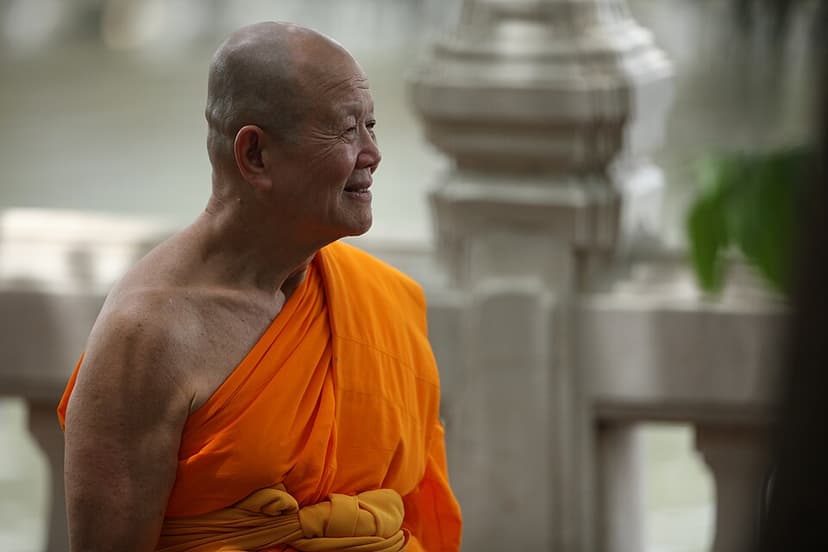
Luang Por Dattajivo is a prominent Thai Buddhist monk, widely recognized as the former deputy-abbot and observing abbot of Wat Phra Dhammakaya. He is known for his prolific authorship on Buddhist philosophy, particularly "Buddhist economics," and his significant role in the management and construction of Wat Phra Dhammakaya. His life has been deeply intertwined with his teachers, Mae chi Chandra Khonnokyoong and Luang Por Dhammajayo, and he has been a key figure in the Dhammakaya Foundation.
Mingun Jetawun Sayādaw
U Nārada, also known as Mingun Jetawun Sayādaw, was a significant Burmese monk in the Theravada tradition who played a crucial role in the revival of Vipassana meditation. His teachings and methods, particularly the "New Burmese Method" later popularized by his students like Mahasi Sayadaw, offered a direct approach to spiritual realization through the practice of Satipaṭṭhāna.
Sheng-yen
Sheng Yen was a prominent Taiwanese Buddhist monk, writer, and religious scholar, recognized as a mainstream teacher of Chan Buddhism. He was the founder of Dharma Drum Mountain, a significant Buddhist organization in Taiwan, and was known for his progressive approach to teaching Buddhism in a modern, Western-influenced world. Sheng Yen was one of four leading Buddhist masters in Taiwan, often referred to as the "Four Heavenly Kings" of Taiwanese Buddhism.