
Karmapa
The Karmapa Tulku lineage, established in 1110 CE by the 1st Karmapa, Düsum Khyenpa, is the oldest incarnating lineage of Tibetan Buddhism. The Karmapa, meaning "the one who carries out buddha-activity," is the head of the Karma Kagyu school. The lineage is known for its tulku system, where rebirths are predicted and confirmed, and for the Black Crown, a symbol of spiritual realization.
Key Facts
- ›The Karmapa lineage is the oldest major incarnating lineage of Tibetan Buddhism, founded in 1110 CE.
- ›The title Karmapa translates to "the one who carries out buddha-activity."
- ›Karmapas are recognized through prediction letters, supernatural insight, and the child's own self-proclamation.
- ›The Karmapa is the head of the Karma Kagyu school, a major branch of Tibetan Buddhism.
- ›The Black Crown is a significant symbol associated with the Karmapas, traditionally woven from dakinis' hair.
- ›There is currently a controversy regarding the recognition of two 17th Karmapas.
Tsurphu Monastery, Rumtek Monastery, Karma Triyana Dharmachakra, Dhagpo Kagyu Ling
Gampopa, Vajradhara, Tilopa, Naropa, Marpa Lotsawa, Milarepa
About Karmapa
The Karmapa Tulku Lineage
The Karmapa Tulku lineage, headed by the Gyalwa Karmapa, stands as the oldest among the major incarnating lineages of Tibetan Buddhism. Established in 1110 CE by the 1st Karmapa, Düsum Khyenpa, the lineage is characterized by the conscious rebirth of its leaders. The title "Karmapa" itself translates to "the one who carries out buddha-activity" or "the embodiment of all the activities of the buddhas," reflecting the profound spiritual role of these figures.
Origin and Recognition
The first Karmapa, Düsum Khyenpa (1110–1193), was a disciple of the master Gampopa and is recognized for attaining enlightenment at the age of fifty. He was believed to be a manifestation of Avalokiteśvara, a bodhisattva of compassion. The system of recognizing Karmapas as tulkus, or consciously reborn masters, was further solidified with the second Karmapa, Karma Pakshi (1204–1283), who was the first in Tibetan Buddhism to predict the circumstances of his own rebirth. The identity of a Karmapa is confirmed through a combination of prediction letters from their predecessor, the insight of realized lineage teachers, and the child's own self-recognition and ability to identify items from their previous life.
Symbols and Seats
The Karmapas are distinguished by the Black Crown (Zhwa-nag), traditionally said to have been woven from the hair of dakinis as a testament to their spiritual realization. A physical Black Crown was presented to the 5th Karmapa, Deshin Shekpa, by the Yongle Emperor of China. The primary traditional seat of the Karmapas is the Tsurphu Monastery in U-Tsang, central Tibet. During the Tibetan diaspora, Rumtek Monastery in Sikkim, India, became a significant seat, along with international monastic centers such as Karma Triyana Dharmachakra in New York and Dhagpo Kagyu Ling in France.
Modern Lineage
The lineage has seen numerous incarnations, with the 16th Karmapa, Rangjung Rigpe Dorje, playing a pivotal role in establishing the Karma Kagyu school internationally. The recognition of the 17th Karmapa has been a subject of controversy, with two individuals, Ogyen Trinley Dorje and Trinley Thaye Dorje, both recognized by different groups. The two claimants issued a joint statement on December 4, 2023, aiming to resolve the issue of the current 17th Karmapa's identity.
Source: Wikipedia ↗
Frequently Asked Questions
Who founded the Karmapa lineage?
The Karmapa lineage was established in 1110 CE by the 1st Karmapa, Düsum Khyenpa. He was a disciple of the Tibetan master Gampopa and is said to have attained enlightenment at the age of fifty.
What does the title 'Karmapa' mean?
The title Karmapa means "the one who carries out buddha-activity" or "the embodiment of all the activities of the buddhas." It signifies a spiritual leader deeply involved in the well-being of sentient beings.
How are Karmapas recognized?
The recognition of a Karmapa involves a combination of methods, including prediction letters left by the previous Karmapa, supernatural insight from realized lineage teachers, and the young child's self-proclamation and ability to identify objects from their past life.
What is the significance of the Black Crown?
The Black Crown, known as Zhwa-nag, is a significant symbol of the Karmapas, who are sometimes called "the Black Hat Lamas." It is traditionally said to have been woven by dakinis from their hair as a recognition of the Karmapa's spiritual realization.
What are the main seats of the Karmapas?
The main traditional seat of the Karmapas is the Tsurphu Monastery in U-Tsang, central Tibet. During the Tibetan diaspora, the Dharma Chakra Centre at Rumtek Monastery in Sikkim, India, became a key seat, alongside international monastic seats in New York and France.
Is there a current controversy regarding the Karmapa lineage?
Yes, there is a controversy over the enthronement of two 17th Karmapas. The identity of the current 17th Karmapa was resolved by the two individuals, Orgyen Trinley Dorje and Trinley Thaye Dorje, who issued a joint statement on December 4, 2023.
Related Buddhists
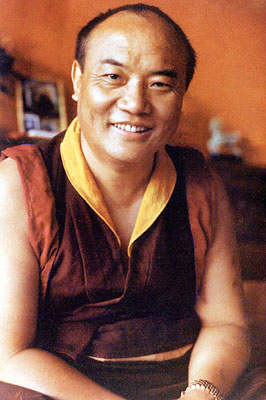
Rangjung Rigpe Dorje, 16th Karmapa
Rangjung Rigpe Dorje was the 16th Gyalwa Karmapa and the spiritual leader of the Karma Kagyu lineage of Tibetan Buddhism. Known as the "King of the Yogis," he was a prominent "living Buddha" instrumental in transmitting Tibetan Vajrayana Buddhism to the West. His life was marked by the recognition process, extensive education across various Buddhist schools, and efforts to preserve Tibetan culture amidst political upheaval.

Nadapada
Nāropā was an Indian Buddhist Mahasiddha, a highly realized practitioner within the Vajrayana tradition. He is renowned for being a direct disciple of Tilopa and for collating the Six Dharmas, a set of advanced yogic practices crucial for rapid enlightenment. His teachings and lineage are central to the Kagyu school of Tibetan Buddhism.
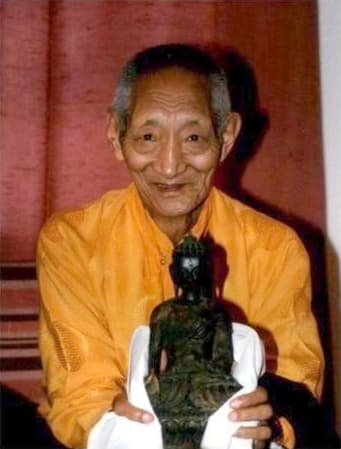
Kalu Rinpoche
Kalu Rinpoche was a highly respected Tibetan Buddhist lama, meditation master, scholar, and teacher, notable for being one of the first Tibetan masters to teach in the West. He played a significant role in transmitting the teachings of the Shangpa Kagyu lineage and established numerous centers for Buddhist practice globally.