
Rangjung Rigpe Dorje, 16th Karmapa
Rangjung Rigpe Dorje was the 16th Gyalwa Karmapa and the spiritual leader of the Karma Kagyu lineage of Tibetan Buddhism. Known as the "King of the Yogis," he was a prominent "living Buddha" instrumental in transmitting Tibetan Vajrayana Buddhism to the West. His life was marked by the recognition process, extensive education across various Buddhist schools, and efforts to preserve Tibetan culture amidst political upheaval.
Key Facts
- ›He was the 16th Gyalwa Karmapa and spiritual leader of the Karma Kagyu lineage.
- ›His recognition involved overcoming political obstacles and a disputed reincarnation claim.
- ›He received extensive teachings from masters of various Tibetan Buddhist schools.
- ›He escaped Tibet in 1959 due to the Chinese invasion and established his seat-in-exile at Rumtek Monastery.
- ›He was a key figure in the transmission of Tibetan Buddhism to Europe and North America.
- ›He is credited with performing miracles, including relieving drought for the Hopi tribe.
Important Relationships
Tsurphu Monastery, Rumtek Monastery, Palpung Monastery, Dhagpo Kagyu Ling
Bodhisattva Vows
About Rangjung Rigpe Dorje, 16th Karmapa
Rangjung Rigpe Dorje was the 16th Gyalwa Karmapa and the spiritual leader of the Karma Kagyu lineage of Tibetan Buddhism. Revered as a "living Buddha" and known as the "King of the Yogis," his life spanned a period of immense upheaval in Tibet, and he played a crucial role in preserving and transmitting Tibetan Vajrayana Buddhism to the Western world.
Biography and Recognition
Born in Denkhok, eastern Tibet, Rangjung Rigpe Dorje's incarnation was predicted by his predecessor, Khakyab Dorje. His recognition process was complex, involving political obstacles from a Lhasa Ministry that initially proposed an alternative reincarnation. This dispute was eventually resolved, allowing him to be formally recognized.
Education and Spiritual Training
Rangjung Rigpe Dorje received profound spiritual training from a young age. He was ordained and took Bodhisattva vows by the 11th Tai Situpa, Pema Wangchok, and studied with numerous esteemed masters from various Tibetan Buddhist schools, including Sakya, Nyingma, and Gelug. This comprehensive education ensured he received the full spectrum of Kagyu transmissions and major teachings from across Tibetan Buddhism.
Escape and Transmission to the West
Foreseeing the Chinese invasion of Tibet, Rangjung Rigpe Dorje made preparations for escape. In 1959, he led approximately 160 students from Tsurphu Monastery to safety in Bhutan, carrying sacred relics and treasures. He later established his seat-in-exile at Rumtek Monastery in Sikkim. Recognizing the growing interest in Buddhism in the West and the increasing difficulty of return to Tibet, he began a concerted effort to transmit Tibetan Vajrayana Buddhism internationally. Starting in the 1970s, he embarked on extensive world tours, establishing Dharma centers and monasteries in Europe and North America, and providing teachings and empowerments to a global audience.
Miracles and Legacy
Rangjung Rigpe Dorje is associated with numerous miracles, including clairvoyant abilities from childhood, the unusual preservation of deceased birds in a state of samadhi, and a ceremony for the Hopi tribe that reportedly ended a severe drought. His primary legacy lies in his dedication to preserving Tibetan Buddhist traditions and his pivotal role in making these teachings accessible to practitioners worldwide. He passed away in the United States in 1981, with his body cremated at Rumtek Monastery.
Source: Wikipedia ↗
Frequently Asked Questions
When and where was Rangjung Rigpe Dorje born?
The 16th Karmapa, Rangjung Rigpe Dorje, was born on August 14, 1924, in Denkhok, in the Kingdom of Derge in Kham, eastern Tibet.
How was Rangjung Rigpe Dorje recognized as the 16th Karmapa?
His recognition followed a prediction letter left by the previous Karmapa. A political dispute arose with a Lhasa Ministry claiming another child was the reincarnation, but this was eventually resolved after the other child's death and the submission of the Karmapa's name in a unique way.
What was Rangjung Rigpe Dorje's education like?
He received extensive training, including ordination and Bodhisattva vows from the 11th Tai Situpa, teachings on tantras, sutras, Mahamudra, and the Six Yogas of Naropa. He also received transmissions from Sakya and Nyingma masters and the Kalachakra initiation from the Gelugpa School, encompassing teachings from all major Tibetan Buddhist schools.
Why did Rangjung Rigpe Dorje escape Tibet?
He made predictions about the Chinese invasion and the need for Tibetans to escape to India. Following the 1950 takeover by China and escalating conflicts, he escaped with 160 students in February 1959 to Bhutan.
What was Rangjung Rigpe Dorje's role in spreading Buddhism to the West?
Recognizing the West's embrace of Buddhism, he sent Lama Gendün to Europe and embarked on world tours starting in 1974. He established Dharma centers and monasteries globally, including Dhagpo Kagyu Ling in France, and gave numerous teachings and ceremonies.
What are some notable miracles attributed to Rangjung Rigpe Dorje?
Accounts include clairvoyant abilities in childhood, birds blessed at their death remaining stiff and upright in a state of samadhi, and a ceremony for the Hopi tribe that resulted in rain after a long drought, followed by an empowerment.
When and where did Rangjung Rigpe Dorje die?
Rangjung Rigpe Dorje died on November 5, 1981, in Zion, Illinois, in the United States. His body was cremated at Rumtek Monastery according to Tibetan tradition.
Related Buddhists
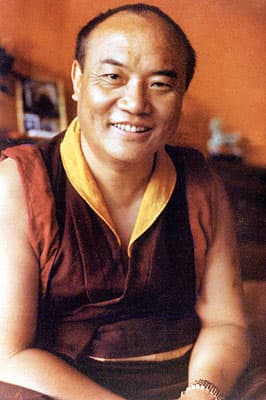
Karmapa
The Karmapa Tulku lineage, established in 1110 CE by the 1st Karmapa, Düsum Khyenpa, is the oldest incarnating lineage of Tibetan Buddhism. The Karmapa, meaning "the one who carries out buddha-activity," is the head of the Karma Kagyu school. The lineage is known for its tulku system, where rebirths are predicted and confirmed, and for the Black Crown, a symbol of spiritual realization.
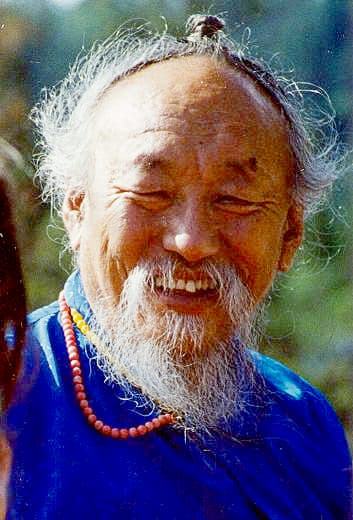
Chagdud Tulku Rinpoche
Chagdud Tulku Rinpoche was a highly respected Tibetan teacher of the Nyingma school of Vajrayana Buddhism. He was known in the West for his teachings, his artistic talents as a sculptor and painter, his melodic chanting voice, and his skill as a physician, acting as a spiritual guide for thousands of students.
Seongcheol
Seongcheol was a prominent Korean Seon master and a pivotal figure in modern Korean Buddhism, instrumental in its reformation from the 1950s to the 1990s. Revered as a living Buddha for his asceticism, rigorous meditation, and impactful teachings, he championed a return to strict monastic discipline and the traditional practice of sudden enlightenment and sudden cultivation.