
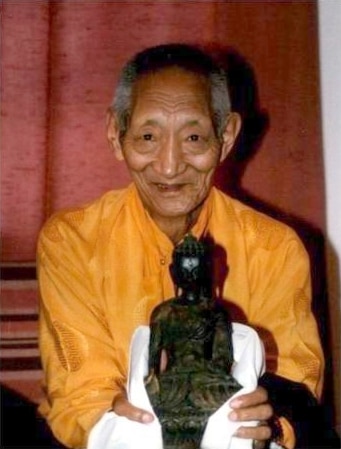
Kalu Rinpoche
Tibet·Shangpa Kagyu, Karma Kagyu·Male·20th century
Kalu Rinpoche was a highly respected Tibetan Buddhist lama, meditation master, scholar, and teacher, notable for being one of the first Tibetan masters to teach in the West. He played a significant role in transmitting the teachings of the Shangpa Kagyu lineage and established numerous centers for Buddhist practice globally.
Key Facts
- ›Born in Kham, Eastern Tibet in 1905.
- ›Studied at Palpung Monastery, a major center of the Karma Kagyu school.
- ›Undertook extensive solitary retreats for spiritual realization.
- ›Entrusted with the transmission of the Shangpa Kagyu teachings.
- ›Taught extensively in Tibet and later in the West after going into exile in 1955.
- ›Founded numerous Buddhist teaching centers across Europe and the Americas.
Important Relationships
- Situ Rinpoche
- Drupon Norbu Dondrup
- Rangjung Rigpe Dorje, 16th Karmapa
- Reting Rinpoche
- June Campbell
- Foundations of Tibetan Buddhism
- Luminous Mind : Fundamentals of Spiritual Practice
- Gently Whispered: Oral Teachings By the Very Venerable Kalu Rinpoche
- Excellent Buddhism: An Exemplary Life
- Profound Buddhism: From Hinayana To Vajrayana
- Secret Buddhism: Vajrayana Practices
- the Dharma: That Illuminates All Beings Like the Light of the Sun and the Moon
- the Gem Ornament of Manifold Oral Instructions Which Benefits Each and Everyone Appropriately
Palpung Monastery, Sonada, Darjeeling District, India, Rumtek
Tibetan
Bodhisattva Vows
About Kalu Rinpoche
Kalu Rinpoche (1905–1989) was a prominent Tibetan Buddhist lama, meditation master, scholar, and teacher. He is widely recognized as one of the first Tibetan masters to bring Buddhist teachings to the Western world, establishing numerous centers for practice and study globally.
Life and Historical Context
Born in 1905 in Kham, Eastern Tibet, Kalu Rinpoche began his higher education at the age of fifteen at Palpung Monastery, a significant center of the Karma Kagyu school. He spent over a decade there, mastering Buddhist philosophy and completing intensive meditation retreats. Subsequently, he dedicated nearly fifteen years to solitary practice as a yogi in the Tibetan countryside, gaining renown for his realization and embodiment of the Bodhisattva path.
Returning to Palpung, Kalu Rinpoche received final teachings and was entrusted with the rare transmission of the Shangpa Kagyu lineage. He served as Vajra Master at Palpung Monastery, imparting empowerments and teachings. During the 1940s, he traveled to central Tibet, teaching extensively and influencing disciples such as the Reting Rinpoche. Following the political changes in Tibet, Kalu Rinpoche went into exile in India in 1955.
Teaching Activity in Exile
In exile, Kalu Rinpoche established a monastery in Sonada, Darjeeling, in 1965. By the late 1960s, he began attracting Western students, and throughout the 1970s, he taught extensively in the Americas and Europe. During his travels, he founded over a dozen teaching centers and established the first retreat center in France to offer traditional three-year retreats to Western practitioners.
Controversy and Legacy
Kalu Rinpoche's teaching career was not without controversy. June Campbell, a feminist scholar and former translator, detailed an experience of sexual abuse, which Rinpoche described as tantric spiritual practice. Reports from other women have emerged with similar experiences with other gurus. Kalu Rinpoche passed away on May 10, 1989, in India. His reincarnation, the Second Kalu Rinpoche, was recognized and enthroned in the early 1990s, continuing his lineage and teachings.
Source: Wikipedia ↗
Frequently Asked Questions
When and where was Kalu Rinpoche born?
Kalu Rinpoche was born in 1905 in the district of Treshö Gang chi Rawa in the Hor region of Kham, Eastern Tibet.
What Buddhist tradition did Kalu Rinpoche belong to?
Kalu Rinpoche was a master of the Karma Kagyu and Shangpa Kagyu traditions of Tibetan Buddhism.
What was Kalu Rinpoche's significance in the West?
He was one of the first Tibetan masters to teach in the West, founding many centers and introducing Western students to traditional three-year retreats.
When did Kalu Rinpoche die?
Kalu Rinpoche died on May 10, 1989, at his monastery in Sonada, Darjeeling District, India.
Is there a recognized reincarnation of Kalu Rinpoche?
Yes, a reincarnation, known as the Second Kalu Rinpoche (or sometimes the third, depending on the lineage's count), was born in 1990 and recognized in 1992.
What notable works are attributed to Kalu Rinpoche?
Kalu Rinpoche authored or had teachings compiled into several books, including 'Foundations of Tibetan Buddhism,' 'Luminous Mind,' and 'The Dharma: That Illuminates All Beings Like the Light of the Sun and the Moon.'
Related Buddhists
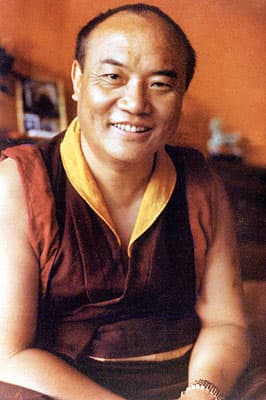
Rangjung Rigpe Dorje, 16th Karmapa
Rangjung Rigpe Dorje was the 16th Gyalwa Karmapa and the spiritual leader of the Karma Kagyu lineage of Tibetan Buddhism. Known as the "King of the Yogis," he was a prominent "living Buddha" instrumental in transmitting Tibetan Vajrayana Buddhism to the West. His life was marked by the recognition process, extensive education across various Buddhist schools, and efforts to preserve Tibetan culture amidst political upheaval.
Karmapa
The Karmapa Tulku lineage, established in 1110 CE by the 1st Karmapa, Düsum Khyenpa, is the oldest incarnating lineage of Tibetan Buddhism. The Karmapa, meaning "the one who carries out buddha-activity," is the head of the Karma Kagyu school. The lineage is known for its tulku system, where rebirths are predicted and confirmed, and for the Black Crown, a symbol of spiritual realization.
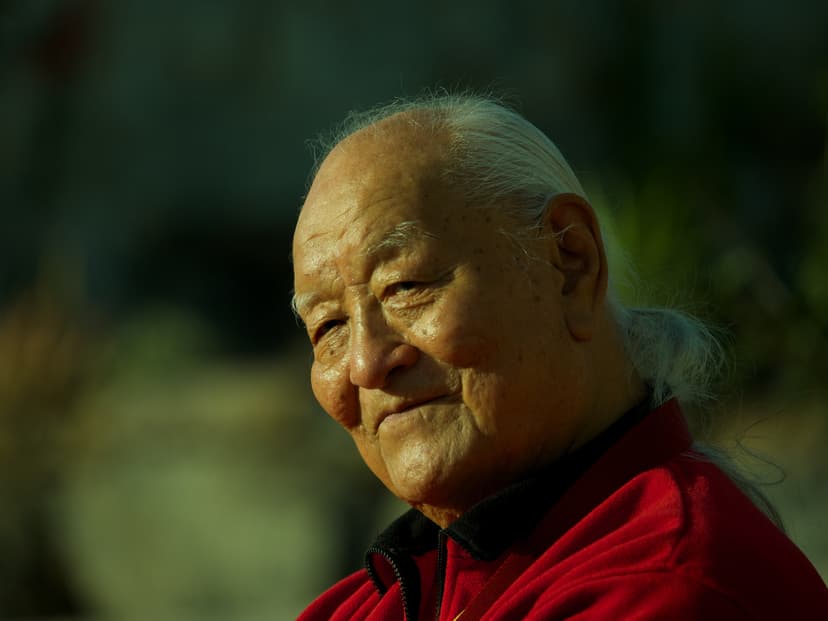
Namkhai Norbu
Namkhai Norbu was a prominent Tibetan Buddhist master of Dzogchen and a professor of Tibetan and Mongolian language and literature. He was recognized as a tulku (reincarnated master) from a young age and became a leading authority on Tibetan culture, history, and religion. Norbu founded the Dzogchen Community, which has centers worldwide, and dedicated his life to teaching Dzogchen in the West.