
Sesshū Tōyō
Sesshū Tōyō was a renowned Japanese Zen monk and painter of the Muromachi period, celebrated as a master of ink painting (suibokuga). His work, deeply influenced by Chinese landscapes and Zen Buddhist aesthetics, is characterized by flattened perspectives, emphatic lines, and monochrome ink washes, capturing the essence of nature and spiritual themes. Sesshū's distinctive style and profound spiritual insights led to his widespread influence, with many art schools considering him their founder.
Key Facts
- ›Sesshū Tōyō was a prominent Zen monk and painter in 15th-century Japan.
- ›He is considered a master of Japanese ink painting, known as suibokuga.
- ›His artistic style blended Chinese landscape painting techniques with Japanese Zen Buddhist aesthetics.
- ›Sesshū's notable works include "Winter Landscape," "four Landscape Scrolls of the Seasons," and "Birds and Flowers."
- ›He trained at Shōkoku-ji temple in Kyoto and later traveled to China to study traditional painting.
- ›His work often conveyed Zen Buddhist concepts through flattened space, emphatic outlines, and expressive brushstrokes.

Important Relationships
- Tenshō Shūbun (teacher)
- Shunrin Shuto (head priest)
- Shutoku (pupil)
Winter Landscape, Birds and Flowers, Four Landscape Scrolls of the Seasons
ShōKoku-Ji Temple, Hofukuji Temple, Akahama, Bitchū Province, Okayama Prefecture, Masuda, Tokoji Temple, Ikoji Temple
Chinese Ink Painting Masters, Tenshō ShūBun
Japanese
Zen Monk
Master Painter, Zen Scholar
About Sesshū Tōyō
Sesshū Tōyō: Master of Japanese Ink Painting
Sesshū Tōyō (c. 1420 – 1506) was a preeminent Japanese Zen monk and painter whose work is synonymous with the pinnacle of Japanese ink painting, known as suibokuga. Born into the samurai Oda family in Bitchū Province, Sesshū was ordained as a Zen monk and trained at the significant Shōkoku-ji temple in Kyoto. His early artistic development was guided by Tenshō Shūbun, a recognized master of ink landscape painting.
Life and Artistic Development
Sesshū's artistic journey was profoundly shaped by his three-year sojourn in China, beginning in 1467. During this period, he immersed himself in the study of Chinese Chan monasteries and the works of professional Chinese artists. This exposure to traditional Chinese painting techniques and landscapes, particularly their realistic styles and the vastness of nature, greatly influenced his developing individualistic style. Upon his return to Japan, Sesshū's paintings began to exhibit a distinctive blend of Japanese sensitivity and Chinese artistic principles, characterized by flattened perspectives, emphatic lines, and the masterful use of monochrome ink washes.
Key Works and Artistic Style
Sesshū's oeuvre is celebrated for its spiritual depth and technical brilliance. His most acclaimed works include "Winter Landscape" (c. 1470s), "Four Landscape Scrolls of the Seasons" (c. 1420–1506), and "Birds and Flowers" (c. 1420–1506). These paintings exemplify his ability to convey Zen Buddhist concepts such as material simplicity, sensitivity to the natural world, and the interplay of solid and void. Sesshū employed techniques like the shumpo method for depicting three-dimensionality and used ink washes to create atmospheric perspective, mirroring the Taoist concept of tension between subjects.
Legacy
Sesshū Tōyō's legacy extends beyond his individual masterpieces. His emphasis on personal interpretation, economical expression, and the integration of Zen philosophy into painting laid the foundation for subsequent generations of Japanese artists. Many schools of art consider Sesshū their founder, and his rendering techniques were widely adopted by artists in the 16th century and beyond. The canonization of Sesshū in modern Japanese art history solidified his status as a national treasure and a pivotal figure in the evolution of Japanese art.
Source: Wikipedia ↗
Frequently Asked Questions
Who was Sesshū Tōyō?
Sesshū Tōyō was a highly influential Japanese Zen monk and painter from the Muromachi period. He is widely regarded as one of the greatest masters of Japanese ink painting (suibokuga).
What is Sesshū Tōyō known for?
Sesshū is known for his distinctive style of ink painting, which merged Chinese landscape traditions with Zen Buddhist principles. His works often feature flattened perspectives, bold lines, and monochrome ink washes, conveying spiritual depth and the essence of nature.
Where did Sesshū Tōyō train as a monk and artist?
Sesshū initially trained as a Zen monk at Shōkoku-ji temple in Kyoto, Japan. He also studied painting under Tenshō Shūbun at this temple.
What was the impact of Sesshū Tōyō's trip to China?
Sesshū traveled to China in 1467 and studied traditional Chinese paintings and landscapes. This experience significantly influenced his artistic development, leading him to integrate Chinese techniques and aesthetics into his own individualistic style.
What are some of Sesshū Tōyō's most acclaimed works?
Among Sesshū's most acclaimed works are "Winter Landscape" (c. 1470s), "Four Landscape Scrolls of the Seasons" (c. 1420–1506), and "Birds and Flowers" (c. 1420–1506). These pieces showcase his mastery of ink painting and his ability to infuse them with Zen beliefs.
When and where did Sesshū Tōyō live and die?
Sesshū Tōyō was born around 1420 in Bitchū Province, Japan, and died on August 26, 1506, at the age of 87. He passed away at Tokoji temple, with his remains later moved to Ikoji temple.
Related Buddhists
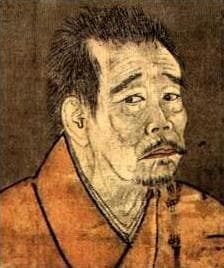
Ikkyū
Ikkyū Sōjun was a Japanese Zen Buddhist monk and poet renowned for his radical interpretation of Zen principles, often challenging monastic traditions and advocating for the integration of everyday life, including sexuality, into spiritual practice. His influence extended to Japanese art, literature, and the tea ceremony, and he remains a significant, albeit controversial, figure in Zen history, often depicted as a folk hero.
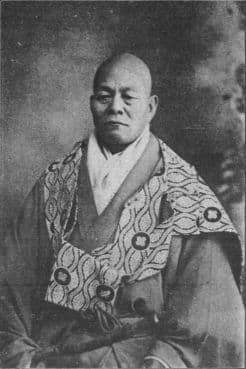
Nakahara Nantenbō
Nakahara Nantenbō (1839–1925) was a prominent Japanese Zen Master and a significant reformer within Zen Buddhism. He is widely recognized for his prolific output as an artist, creating numerous examples of Zen Art that connected traditional styles with modern interpretations.
John Garrie
John Garrie, also known as John Garrie Roshi, was a British actor who transitioned into a respected teacher of Zen Buddhism. His teachings integrated elements from Zen, Theravada, Tibetan Buddhism, Taoism, and martial arts, with a particular emphasis on mindfulness practice he termed "Sati." He founded the Sati Society and authored "The Way is Without Flaw," a collection of his writings.