
Nakahara Nantenbō
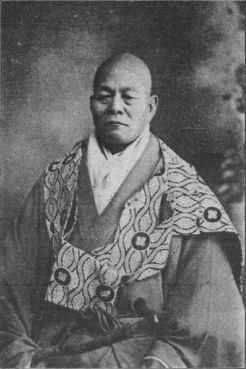
Nakahara Nantenbō (1839–1925) was a prominent Japanese Zen Master and a significant reformer within Zen Buddhism. He is widely recognized for his prolific output as an artist, creating numerous examples of Zen Art that connected traditional styles with modern interpretations.
Key Facts
- ›Born April 3, 1839, and passed away February 12, 1925.
- ›Also known by the names Tōjū Zenchū, Tōshū Zenchū, and Nantenbō Tōjū.
- ›Recognized as a fiery reformer of Zen Buddhism in his era.
- ›A prolific and accomplished artist, producing many examples of Zen Art.
- ›Helped bridge traditional Zen Buddhist art with its 20th-century continuation.
Zen Art
About Nakahara Nantenbō
Nakahara Nantenbō (1839–1925), also known by aliases such as Tōjū Zenchū, Tōshū Zenchū, and Nantenbō Tōjū, was a distinguished Japanese Zen Master. During his lifetime, he was recognized as a forceful reformer within the Zen Buddhist tradition. Beyond his spiritual leadership, Nakahara Nantenbō was also a remarkably prolific and skilled artist.
Artistic Contributions
Nakahara Nantenbō produced a substantial body of work that is categorized as Zen Art. His artistic endeavors were significant in bridging the stylistic and thematic elements of older forms of Zen Buddhist art with its continuation and evolution into the 20th century. His creations are noted for their quality and their role in the development of Zen artistic expression.
Source: Wikipedia ↗
Frequently Asked Questions
Who was Nakahara Nantenbō?
Nakahara Nantenbō was a Japanese Zen Master who lived from 1839 to 1925. He was known as a reformer of Zen Buddhism and also as a significant artist.
What is Nakahara Nantenbō known for?
He is known for being a reformer within Zen Buddhism and for his extensive work as an artist, creating many pieces of Zen Art. His art helped to connect older styles with the continuation of Zen art in the 20th century.
What were Nakahara Nantenbō's other names?
Besides Nakahara Nantenbō, he was also known by the names Tōjū Zenchū, Tōshū Zenchū, and Nantenbō Tōjū.
When did Nakahara Nantenbō live?
Nakahara Nantenbō lived from April 3, 1839, until February 12, 1925.
Related Buddhists
Jamgon Kongtrul
Jamgön Kongtrül Lodrö Thayé (1813–1899) was a highly influential Tibetan Buddhist scholar, poet, artist, physician, tertön, and polymath. He is renowned as one of the founders of the non-sectarian Rimé movement, which emphasized the preservation and study of all Buddhist traditions. His extensive writings, particularly "The Treasury of Knowledge," have had a profound and lasting impact on Tibetan Buddhism, especially within the Nyingma and Kagyu lineages.

Gempō Yamamoto
Gempō Yamamoto (1866-1961) was a prominent Japanese Rinzai Zen Buddhist priest and abbot of Ryūtaku-ji and Shoin-ji. Revered as a renowned calligrapher, he is sometimes referred to as the "twentieth century Hakuin" for his spiritual lineage and prolific artistic output, particularly his zenga paintings. Despite lacking formal education and facing visual impairment, Yamamoto became ordained and left a significant mark on Zen Buddhist art and practice.
Ikkyū
Ikkyū Sōjun was a Japanese Zen Buddhist monk and poet renowned for his radical interpretation of Zen principles, often challenging monastic traditions and advocating for the integration of everyday life, including sexuality, into spiritual practice. His influence extended to Japanese art, literature, and the tea ceremony, and he remains a significant, albeit controversial, figure in Zen history, often depicted as a folk hero.