
Gempō Yamamoto
Japan·Rinzai Zen Buddhism·Male·20th century
Gempō Yamamoto (1866-1961) was a prominent Japanese Rinzai Zen Buddhist priest and abbot of Ryūtaku-ji and Shoin-ji. Revered as a renowned calligrapher, he is sometimes referred to as the "twentieth century Hakuin" for his spiritual lineage and prolific artistic output, particularly his zenga paintings. Despite lacking formal education and facing visual impairment, Yamamoto became ordained and left a significant mark on Zen Buddhist art and practice.
Key Facts
- ›Served as abbot of Ryūtaku-ji and Shoin-ji in Japan.
- ›Was temporarily the head of the Myōshin-ji branch of Rinzai Zen Buddhism.
- ›Known for his exceptional Japanese calligraphy and zenga paintings.
- ›Followed in the spiritual lineage of Master Hakuin Ekaku.
- ›Ordained as a monk at the age of 25 and traveled extensively throughout Japan.
- ›Testified in favor of his disciple Nissho Inoue during the League of Blood assassinations trial.

Important Relationships
- Nissho Inoue
- Mumonkan Teishō: Fu, Hakuin Zenji RōHachi Jishū Teishō
RyūTaku-Ji, Shoin-Ji
Hakuin Ekaku
Japanese
Monk Vows
About Gempō Yamamoto
Gempō Yamamoto (1866-1961) was an influential Japanese Rinzai Zen Buddhist priest and abbot. He held significant positions as the head of both Ryūtaku-ji and Shoin-ji temples in Japan, and for a period, served as the head of the Myōshin-ji branch of Rinzai Zen Buddhism.
Life and Historical Context
Yamamoto is particularly renowned for his mastery of Japanese calligraphy and his zenga (Zen art) paintings, which are still housed at Ryūtaku-ji. He is sometimes referred to as the "twentieth century Hakuin," drawing a parallel to the revered Zen master Hakuin Ekaku, whose teachings he followed. Despite his artistic and spiritual achievements, Yamamoto, like many prolific Zen masters, had no formal education. Historical accounts indicate he had significant visual impairment, only gaining the ability to write and read later in life. He was ordained as a monk at the age of 25 and traveled extensively throughout Japan during that period. Beyond his spiritual and artistic pursuits, Yamamoto also engaged in the production of Inuyama ware.
Notable Contributions and Relationships
Yamamoto's artistic legacy includes a significant body of zenga paintings, celebrated for their expression of Zen principles. His influence extended to supporting his disciple, Nissho Inoue, a militant Nichirenist preacher. Yamamoto provided testimony in favor of Inoue during the trial for the League of Blood assassinations in 1934, maintaining a close relationship with him until Inoue's death in 1961.
Source: Wikipedia ↗
Frequently Asked Questions
Who was Gempō Yamamoto?
Gempō Yamamoto was a Japanese Rinzai Zen Buddhist priest, abbot, and renowned calligrapher who lived from 1866 to 1961. He is known for his artistic contributions to Zen Buddhism and his spiritual connection to Master Hakuin Ekaku.
What is Gempō Yamamoto known for?
He is primarily known for his exceptional Japanese calligraphy and his zenga paintings, which are still displayed at Ryūtaku-ji. He was also recognized as a spiritual successor to the famous Master Hakuin Ekaku, earning him the moniker "twentieth century Hakuin".
What was Gempō Yamamoto's background?
Yamamoto had no formal education and was visually impaired, only learning to write and read later in life. He became ordained as a monk at 25 and traveled to many temples across Japan during his early years as a priest.
What was Gempō Yamamoto's connection to Nissho Inoue?
Gempō Yamamoto testified in support of his disciple, Nissho Inoue, a militant Nichirenist preacher, during the trial for the League of Blood assassinations. He maintained this close relationship with Inoue until Inoue's death in 1961.
Related Buddhists
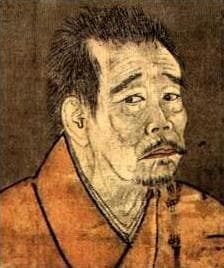
Ikkyū
Ikkyū Sōjun was a Japanese Zen Buddhist monk and poet renowned for his radical interpretation of Zen principles, often challenging monastic traditions and advocating for the integration of everyday life, including sexuality, into spiritual practice. His influence extended to Japanese art, literature, and the tea ceremony, and he remains a significant, albeit controversial, figure in Zen history, often depicted as a folk hero.
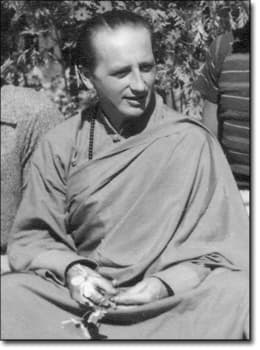
Anagarika Govinda
Anagarika Govinda, born Ernst Lothar Hoffmann, was a German Buddhist author, painter, and poet, and the founder of the Arya Maitreya Mandala order. He is renowned for his extensive writings on Tibetan Buddhism, Buddhist meditation, and Abhidharma, significantly influencing Western understanding of these traditions. Govinda's work also encompassed art and poetry, and he was a pivotal figure in bridging Eastern and Western spiritual and philosophical thought.
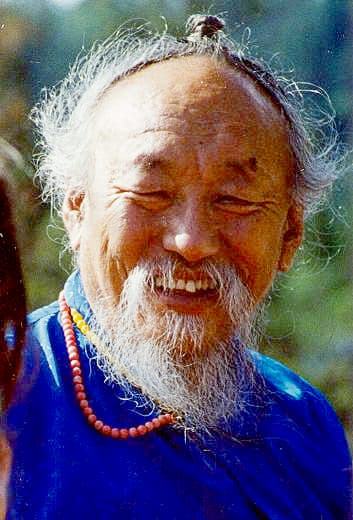
Chagdud Tulku Rinpoche
Chagdud Tulku Rinpoche was a highly respected Tibetan teacher of the Nyingma school of Vajrayana Buddhism. He was known in the West for his teachings, his artistic talents as a sculptor and painter, his melodic chanting voice, and his skill as a physician, acting as a spiritual guide for thousands of students.