
Hakuin Ekaku
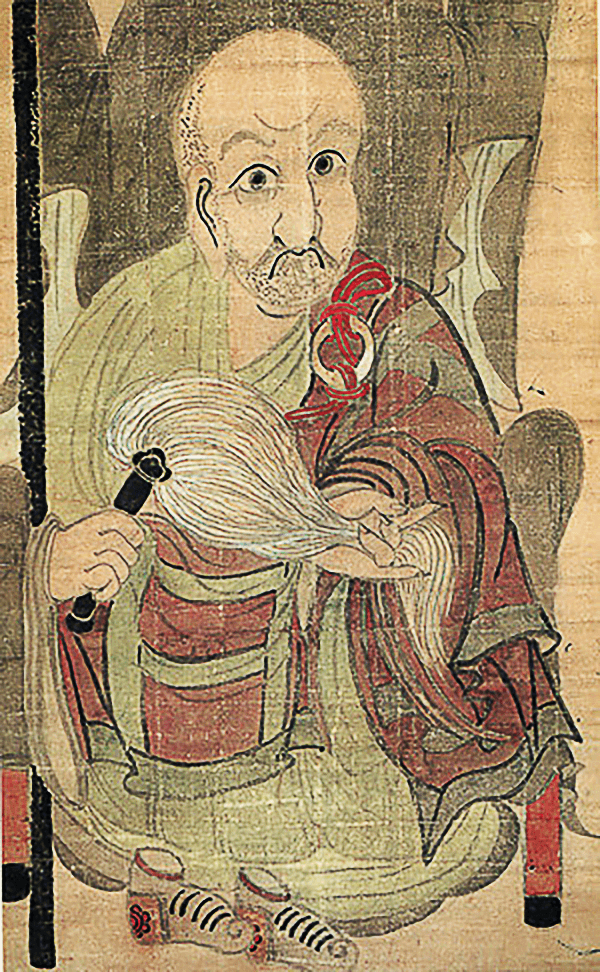
Hakuin Ekaku was a pivotal figure in Japanese Zen Buddhism, revitalizing the Rinzai school through rigorous training that integrated meditation and koan practice. He emphasized the importance of bodhicitta, or working for the benefit of others, as the ultimate goal of Zen training, even though he never formally received dharma transmission. Hakuin's teachings and methods significantly shaped modern Zen practice.
Key Facts
- ›Regarded as the reviver of the Japanese Rinzai school of Zen Buddhism.
- ›Emphasized the importance of bodhicitta (working for the benefit of others) in Zen training.
- ›Developed rigorous training methods combining meditation and koan practice.
- ›Never formally received dharma transmission from any teacher.
- ›Authored significant works, including 'the Sound of one Hand' koan.
- ›Suffered from 'Zen sickness' and developed practices to overcome it.
Important Relationships
- Tanrei Soden (ordaining priest)
- Torin Sosho (master when enscribing in bureaucracy)
- Hakuyu (Taoist hermit who advised on Zen sickness)
the Sound of One Hand, Yasenkanna
Hara, Mount Fuji, ShōIn-Ji, Daishō-Ji, Zensō-Ji, Zuiun-Ji, Eigen-Ji
ShōJu RōJin, Shidō Bu'Nan, Baō RōJin, Yantou Quanhuo, Xuedou Chongxian, Zhaozhou Congshen, Bassui Tokushō
Japanese
Bodhisattva Vows
Influential Figure, Reviver
About Hakuin Ekaku
Hakuin Ekaku: Revitalizer of Rinzai Zen
Hakuin Ekaku (1686–1769) stands as one of the most influential figures in the history of Japanese Zen Buddhism. He is primarily recognized for his role in revitalizing the Rinzai school, which had experienced a period of stagnation. Hakuin championed rigorous training methods that integrated deep meditation with the intensive study and practice of koans, famously including 'The Sound of One Hand'.
Life and Historical Context
Born in the village of Hara at the foot of Mount Fuji, Hakuin's early life was marked by a profound fear of hell, instilled by his devout Buddhist mother and a lecture he attended as a child. This fear led him to seek monastic life, being ordained at fifteen. His early monastic studies exposed him to various Buddhist texts, including the Lotus Sutra, which initially disappointed him. A pivotal moment occurred in his late teens when he encountered the story of the Chinese Ch'an master Yantou Quanhuo's brutal murder, which plunged him into despair about the possibility of true salvation.
His spiritual journey involved periods of travel and study with various teachers. A significant, though debated, influence was Shōju Rōjin, who subjected Hakuin to harsh training, pushing him to confront his self-centeredness. Hakuin experienced several moments of awakening (satori) throughout his life, but a decisive and integrating realization occurred at age forty-one while reading the Lotus Sutra. This final awakening clarified the meaning of bodhicitta—the aspiration to work for the benefit of all sentient beings—which became the cornerstone of his teachings.
Hakuin also suffered from what he termed 'Zen sickness,' a debilitating illness likely stemming from his intense ascetic practices. He later described finding relief through visualization and breathing techniques taught by a Taoist hermit, which emphasized the importance of physical health and vital energy in Zen practice. This experience led him to incorporate practices for strengthening the body into his teachings.
At age thirty-one, Hakuin returned to Shōin-ji, the temple where he was first ordained, and eventually became its head priest, serving there for the next fifty years. Under his guidance, the temple in Hara became a major center for Zen teaching, attracting students from across the country.
Major Contributions and Teachings
Hakuin's primary contribution was the re-energization of the Rinzai school through a demanding and comprehensive practice curriculum. He strongly opposed what he called 'Do-nothing Zen,' criticizing quietist approaches that sought mere mental emptiness and advocating for continuous, deep practice to manifest insight in all aspects of life. His emphasis on 'post-satori practice' meant that awakening was not an end but a beginning, requiring persistent effort to purify karmic tendencies and actively work towards the liberation of others.
His koan system, particularly the 'Sound of One Hand,' was designed to break through conceptual thinking and cultivate the 'great doubt,' which he believed was essential for profound awakening. He also integrated concepts from Yogacara, such as the 'four ways of knowing,' and found value in the 'Five Ranks' of Dongshan Liangjie for post-awakening practice. Hakuin's teachings on integrating Zen practice with physical well-being and his profound emphasis on compassion and universal responsibility continue to shape Zen Buddhism today.
Source: Wikipedia ↗
Frequently Asked Questions
Who was Hakuin Ekaku?
Hakuin Ekaku (1686–1769) was a highly influential Japanese Zen Buddhist monk credited with revitalizing the Rinzai school. He is renowned for his emphasis on integrating meditation with koan practice and for his profound teachings on the importance of bodhicitta.
What is Hakuin Ekaku known for in Zen Buddhism?
Hakuin is best known for reviving the Rinzai school from a period of stagnation. He developed rigorous training methods, including the extensive use of koans such as 'The Sound of One Hand,' and stressed that the ultimate concern of Zen practice is working for the benefit of all sentient beings.
Did Hakuin Ekaku receive formal dharma transmission?
Despite his immense influence and the rigor of his teachings, Hakuin Ekaku never formally received dharma transmission from any teacher. However, he considered the enigmatic teacher Shōju Rōjin his primary teacher and is widely recognized as having received transmission within his lineage.
What is 'The Sound of One Hand' koan?
'The Sound of One Hand' is a famous koan used by Hakuin Ekaku to cultivate the 'great doubt' in his students. It is a two-part instruction meant to lead practitioners beyond conceptual understanding towards a deeper awakening, emphasizing compassion and the liberation of all beings.
What was 'Zen sickness' and how did Hakuin address it?
Hakuin experienced 'Zen sickness,' likely a form of nervous breakdown, due to his extreme early training. He later described being cured by a Taoist hermit named Hakuyū, who taught him visualization and breathing practices, emphasizing physical health and stamina in Zen practice.
What was Hakuin's stance on 'Do-nothing Zen'?
Hakuin Ekaku was a strong critic of what he termed 'Do-nothing Zen,' which he saw in teachers who became complacent after minor spiritual experiences. He advocated for continuous, severe training to deepen insight and integrate it into daily life, warning against quietist practices that merely aimed to empty the mind.
Related Buddhists
Ryōkan
Ryōkan was a Sōtō Zen Buddhist monk and hermit known for his poetry and calligraphy, which embodied the essence of Zen life. Despite his unconventional approach, he was deeply admired for his simplicity, humor, and compassion. His life and teachings continue to inspire those interested in Zen philosophy and practice.
Guifeng Zongmi
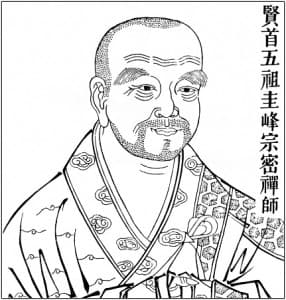
Guifeng Zongmi was a highly influential Tang dynasty Chinese Buddhist monk, scholar, and patriarch of both the Huayan and Chan schools. He is renowned for his efforts to harmonize various Buddhist teachings, particularly Chan and Huayan, with Taoism and Confucianism, aiming to create a comprehensive spiritual vision. His extensive writings serve as a crucial resource for understanding the diverse Chan schools of his era.
Bankei Yōtaku
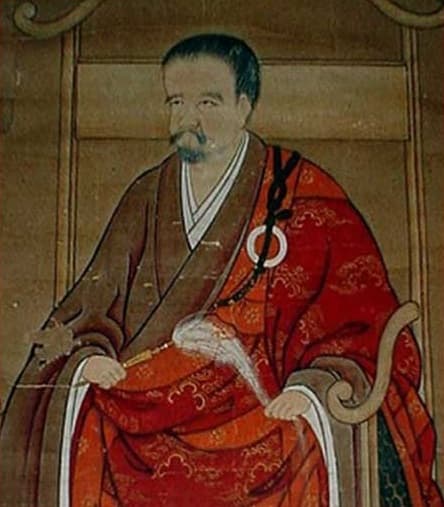
Bankei Yōtaku (1622-1693) was a prominent Japanese Rinzai Zen master and abbot of Ryōmon-ji and Nyohō-ji. He is renowned for his minimalist approach to Zen, emphasizing the "unborn Buddha mind" and the concept of "fushō" (unborn). Bankei gained significant popularity through public talks delivered in colloquial Japanese, making his teachings accessible to laypeople.