
Bankei Yōtaku
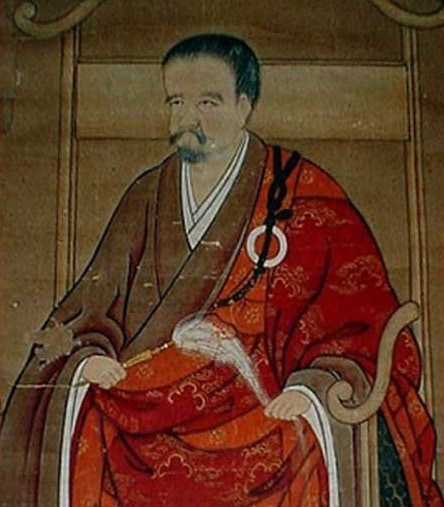
Bankei Yōtaku (1622-1693) was a prominent Japanese Rinzai Zen master and abbot of Ryōmon-ji and Nyohō-ji. He is renowned for his minimalist approach to Zen, emphasizing the "unborn Buddha mind" and the concept of "fushō" (unborn). Bankei gained significant popularity through public talks delivered in colloquial Japanese, making his teachings accessible to laypeople.
Key Facts
- ›Born in Harima Province, Japan, in 1622.
- ›Became a Rinzai Zen monk at Zuiō-ji under Umpo Zenjo.
- ›Developed and taught the concept of the "Unborn" (fushō), representing the innate Buddha mind.
- ›Known for his direct and minimalist approach to Zen, rejecting complex practices like koan study.
- ›Gained widespread popularity for his public lectures in colloquial Japanese, attracting thousands.
- ›Served as abbot of Ryōmon-ji and founded Nyohō-ji and Kōrin-ji.
Important Relationships
- Suga Dosetsu (father)
- Noguchi (mother)
- Umpo Zenjo (teacher)
- Gudō Toshoku (fellow master)
- Dosha Chogen (master who confirmed enlightenment)
- Kyōgoku Takatoyo (patron who built Ryōmon-ji)
Buddhist Chants Pertaining To the Unborn
Harima Province, Zuiō-Ji, Kyoto, Osaka, KyūShū, Gifu Prefecture, Daisen-Ji, Nagasaki, KōFuku-Ji, Yoshino, Nara Prefecture, MyōShin-Ji, RyōMon-Ji, Nyohō-Ji, KōRin-Ji, Aboshi
Umpo Zenjo, Gudō Toshoku, Dosha Chogen
Japanese
Monk Vows
About Bankei Yōtaku
Bankei Yōtaku: Master of the Unborn Zen
Bankei Yōtaku (1622–1693) was a highly influential Japanese Rinzai Zen master and abbot of Ryōmon-ji and Nyohō-ji during the Edo period. He is celebrated for his distinctive approach to Zen, which emphasized a minimalist and sudden path centered on the concept of the "unborn Buddha mind." Bankei gained widespread recognition across Japan for his public lectures, delivered in accessible, colloquial Japanese, which resonated deeply with both monastic and lay audiences.
Life and Historical Context
Born Muchi in Harima Province, Bankei's early life was marked by intellectual curiosity and a rebellious spirit. His father was a samurai who later became a medicine man, and his mother was highly regarded for her virtue. Bankei's search for truth began in his youth when he was confused by Confucian teachings, leading him to question scholars and attend religious gatherings. This quest eventually led him to Buddhist training, first in Shin Buddhism and then at a Shingon temple before he found his way to Rinzai Zen.
At the age of 16, he ordained as a monk under Umpo Zenjo at Zuiō-ji, receiving the Buddhist name Yōtaku. Dissatisfied with external explanations, Bankei spent years in solitary practice, living as a hermit and dedicating himself to zazen. This intense practice led to a critical illness, during which he experienced a profound realization of the "Unborn." This realization marked the cessation of his doubts and the beginning of his unique teachings.
Major Contributions and Teachings
Bankei's most significant contribution is his doctrine of the "Unborn" (fushō), derived from the Sanskrit term anutpāda. He taught that the Unborn is the Buddha Mind, which is "unborn and marvelously illuminating." This mind, he explained, naturally perceives and distinguishes all phenomena without the need for intention or effort, akin to a bright mirror reflecting images. He used the "proof of the Unborn" in his sermons by pointing out how his listeners could naturally hear and distinguish sounds without deliberate thought.
He advocated for a path that transcended self-power and other-power, stating that one simply needed to acknowledge and have faith in the Unborn. Bankei's teachings also stressed not struggling against thoughts, but rather letting them arise and cease naturally without clinging or rejection, likening them to reflections in a mirror. He was critical of what he called "devices Zen," which relied on specific practices like koan study, believing that the direct realization of the Buddha-mind was sufficient and that such methods were artificial.
Later Life and Legacy
In his later years, Bankei held large, highly attended retreats that drew thousands from all over Japan. He founded monasteries such as Ryōmon-ji, Nyohō-ji, and Kōrin-ji. Despite his profound influence and the vast numbers who attended his teachings, no continuing lineage of Bankei's specific school of Zen survived, with his temples eventually being absorbed by the Hakuin Zen tradition. Nonetheless, Bankei is recognized as one of the most original and important figures in the history of Japanese Zen thought.
Source: Wikipedia ↗
Frequently Asked Questions
Who was Bankei Yōtaku?
Bankei Yōtaku was a highly influential Japanese Rinzai Zen master who lived from 1622 to 1693. He is celebrated for his unique teachings on the "unborn Buddha mind" and his accessible style of public discourse.
What is Bankei's central teaching, the "Unborn"?
The "Unborn" (fushō) is Bankei's core concept, referring to the innate, marvelously illuminating Buddha Mind that naturally manages all experiences without intention or effort. It is seen as the ultimate truth, beyond arising and ceasing, and is equated with emptiness.
How did Bankei's teachings differ from other Zen masters of his time?
Bankei criticized what he termed "devices Zen," which relied on specific practices like koan study or intensive meditation techniques. He advocated a direct pointing to the Unborn, believing that realizing the Buddha Mind was sufficient and required no further contrived methods.
Why was Bankei so popular with laypeople?
Bankei delivered his public talks in colloquial Japanese, making his profound Zen teachings understandable and relatable to ordinary people. This accessibility, combined with his emphasis on the innate Buddha Mind, resonated widely beyond the monastic community.
What is the significance of Bankei's "proof of the Unborn"?
Bankei's "proof of the Unborn" involved pointing out how listeners could naturally hear and distinguish sounds (like birdsong or coughing) without any conscious effort or intention. He used this as evidence that the Unborn was already actively present and managing their experience.
Related Buddhists

Ingen
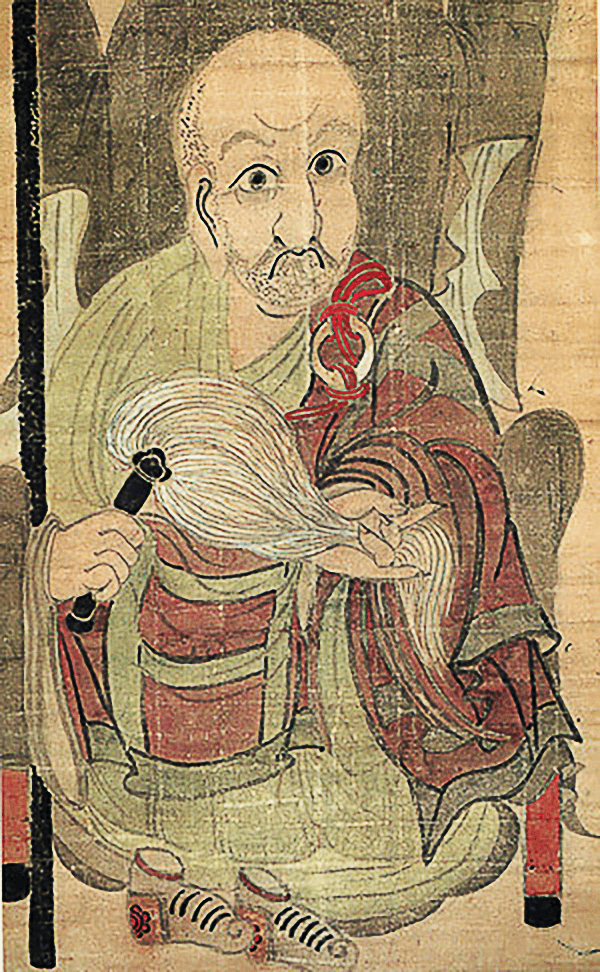
Ingen Ryūki was a Chinese poet, calligrapher, and Linji Chan Buddhist monk who founded the Ōbaku school of Zen in Japan. He is credited with introducing the Ming style of calligraphy and the common bean to Japan. His influence led to the establishment of the prominent Ōbaku head temple, Manpuku-ji, in Uji, Kyoto.
Hakuin Ekaku
Hakuin Ekaku was a pivotal figure in Japanese Zen Buddhism, revitalizing the Rinzai school through rigorous training that integrated meditation and koan practice. He emphasized the importance of bodhicitta, or working for the benefit of others, as the ultimate goal of Zen training, even though he never formally received dharma transmission. Hakuin's teachings and methods significantly shaped modern Zen practice.
Imakita Kosen
Imakita Kosen was a prominent Japanese Rinzai Zen roshi and Neo-Confucianist who played a significant role in introducing Zen Buddhism to lay practitioners and the West. As a government loyalist and supporter of Emperor Meiji, he held a position in the Ministry of Doctrine. His influence extended through his disciples, most notably Soyen Shaku, who participated in the World Parliament of Religions, leading to further engagement with Western thinkers.